One of the strengths of the British Library for Development Studies Legacy Collection is how it illustrates the evolution of graphic design across the Global South. The aesthetics of the collection vary from country to country and across decades, but the Collections team here at Sussex have been particularly impressed by the iconic artwork and typography coming out of Cuba in the 1960s, 1970s and 1980s.
We recently pulled some documents out for some Art History students (who were interested primarily in the look of the material rather than the content) and thought we would share them with you in this first of a few blogs devoted to graphic design in the BLDS Collections.
Following the 1959 Cuban Revolution graphic designers produced work with heavy typography and striking artwork to get the country’s radical message across with clarity and directness. This was reflected not only in overt political propaganda, but across publications like the magazine of The National Association of Small Farmers (ANAP) and Mujeres, a women’s magazine that reflected the work and leisure of Cuban women.
Other magazines included Cuba: Revista Mensual, published by Empresa Consolidada de Artes Graficas, which looked back on and celebrated Cuban revolutionary history with bold graphics and drawings to illustrate the radical articles within.
These publications are merely a taste of what we hold in the British Library of Development Studies (BLDS). These and many more are available to be viewed at the University of Sussex Library – to find out more please email library.collections@sussex.ac.uk.
There has been a secret treasure trove lurking in the basement of the Institute of Development Studies building, adjoining the University of Sussex Library – secret, until now. We are delighted to be launching publicly the British Library for Development Studies (BLDS) Legacy Collection, a fantastically rich collection of documents tracking the history of 20th century development, now accessible to researchers, students, practitioners and the public.
The Collection comprises more than a quarter of a million reports, policy documents, educational and political pamphlets assembled by IDS researchers and librarians since the 1950s, spanning key periods when many countries in Africa and Asia were embarking on post-independence trajectories and when countries in Latin America were articulating national programmes of development and ‘modernisation’. From the lead up to the United Nation’s launch of the ‘Development Decade’ in 1961, through the formation of a diverse landscape of national and international development organisations and emergence of key areas of focus, the Collection houses materials that will give new insights into ‘top-down’ and ‘bottom up’ processes of social, political and economic change.
The Collection reflects the broad span of activities that comprised development action in the second half of the 20th century– from Health and Welfare which includes topics such as wellbeing, nutrition and water and sanitation, Environment, and Agriculture and Rural Development, Economy and Trade and Industry, to Population and Government and Politics. From landmark global conferences and policy reports and statistical runs unavailable elsewhere, to the pamphlets of political parties and trade unions and educational and campaign posters, there are many gems revealing the preoccupations and discourses of their day in vivid ways. Some are currently showcased in an exhibition at IDS, with this and related events detailed further on the Collection project page.
Whilst the materials had been accumulating since IDS was founded in 1966, there had been limited opportunity to make the material accessible for research. Thanks however to a generous grant from the Wellcome Trust, a three year collaborative project and a dedicated team, this has now been made possible. University Library staff and IDS researchers have worked in partnership to rationalise, fully catalogue and preserve the collection to enable it to be fully searchable and accessible for generations of researchers. The Collection can now be searched via the University of Sussex Library catalogue which can be accessed here or alternatively via the BLDS Legacy Collection discovery pages. In addition, thanks to funding from the University of Sussex the BLDS Legacy Collection is now housed in a brand-new roller racking system by EcoSpace in a fully refurbished basement area in the Library.
Amidst current concerns to decolonise development and global health, challenging power relations and opening up to a greater diversity of knowledge and voices, these materials provide rich resources indeed. They help track the genealogies through which powerful agendas emerged – and were sometimes contested, casting vital light and offering different angles on today’s debates. Here are three (amongst many possible) examples – ones discussed further at a launch seminar on October 19th:
Population Policies, Family Planning and the ‘Modernisation’ of the ‘Third World’
As Erica Nelson writes, commonly in contemporary global health and development circles the beginning of the ‘story’ of sexual and reproductive health and rights starts with the International Conference on Population and Development in Cairo, Egypt, in 1994. This event is still considered a milestone in the articulation of rights-based approaches to sexual and reproductive health and rights and the demand for bodily autonomy, though it remains an ‘unfinished agenda’ (Sen, 2014). Within the BLDS Legacy Collection we have examples of country-specific efforts and transnational feminist movements that speak to the cross-fertilisation of the ‘Gender and Development’ and ‘Women and Development’ movements of the 80s that influenced and contributed to this ICPD moment and beyond (Kabeer, 1994).
At the same time, the Collection also reflects the deeper, and more troubling history, of early family planning initiatives funded in many cases, and in others linked discursively and politically, to a modernisation agenda that linked economic development with fertility control (Gorsky and Nelson, 2022; Carter, 2018; Hartmann 1995). This can be seen in the many materials from the late 1960s and 70s that comprise the first post-independence national and sub-national population surveys in Africa and Asia, or in the case of Latin America, reflects the wave of population surveys carried out to generate the required data for new techniques of economic and health services planning.
Central to the expansion and application of demography expertise was the desire of philanthropic funders and international organisations, in concert with national governments, to enumerate levels of fertility and the extent to which women were aware of, or used, modern contraceptive methods. In the Collection we witness a repeated visual trope, in this late 60s to mid 80s period of the threat of a ‘population explosion’, that was perceived as a key factor that could hold countries back from achieving their development aims. In parallel, the Collection also contains runs of family planning materials stretching from the late 60s through to the 90s where the intertwining of the politics of race, sexuality and gender can be further uncovered.
Climate, environmental and controversies
As Jeremy Allouche has found, another key set of debates where the BLDS Legacy Collection provides vital opportunities for historical research concern climate and environmental change and political ecology. For instance the colonial idea of desertification was popularised again at the 1977 United Nations Conference on Desertification, held after a decade of severe drought in the Sahel, and became a persistent international policy and development narrative – despite research empirically challenging the idea that desertification is taking place at the scales and with the speed which have been assumed in the Sahel (eg. Batterbury & Warren, 2001;Helldén (1991)Swift, 1996).
The Legacy Collection holds key documents from the Institut du Sahel and the Permanent Interstate Committee for Drought Control in the Sahel (CILSS), which are valuable in understanding the political and scientific narratives around the desertification of the Sahel in relation to other development issues (including population growth). One document for instance is a warning speech by Colonel Moussa Traore, the former President of the Republic of Mali during a meeting in March 1974 at the CILSS, urging the fight against the effects of drought and desertification for a new ecological balance in the Sahel. There are also many documents published by the Institut de Sahel, on issues such as food security in Niger’s Dosso region and population and development programmes in N’Djamena, Chad.
The role of these regional international organisations is little discussed in debates around the reproduction of desertification; most of the emphasis is on donors or United Nations agencies. However, the role of these regional organisations in linking scientific research to policy should not be underestimated. Their documents provide a historical baseline to understand the persistence of neo-Malthusian ideas and ecological myths, and the ways these were challenged. They also provide insights into how these narratives are being replicated and reproduced today, as in the recent Great Green Wall Initiative (GGWI).
Seeking ‘Health for All’
As Hayley MacGregor highlights, the documents in the Legacy Collection also offer fascinating windows on the approaches adopted by Ministries of Health in newly independent African states towards improving the health of their populations. For instance, government documents highlight one of the pre-occupations of the first decades of the World Health Organisation, namely controlling infectious disease through preventative technologies such as vaccination. A booklet from the Ministry of Health of Ghana (Ghana – Ministry of Health, 1971) provides steps to ‘Keep cholera out of your town and village’ through improved water, sanitation and food hygiene, signs of ‘progress’ towards better standards of living and health.
Another document from the same ministry was prepared for a trade fair in 1967, with a preface from the Director of Health Services stating that ‘The aim is to assure investors – both foreign and local – that provision exists in Ghana for the protection and promotion of the people’s health…. As “Developing Africa” is the theme of the Ghana International Trade Fair it is hoped that this brochure will assure the visitor to Ghana that the health and medical services available in the country are receiving attention in the country’s development programme’.
The institutional and workforce infrastructures to ensure curative and preventative services included a Health Education division in the Ministry of Health, which put out a ‘Health in Ghana’ series. One of these, held in the Legacy Collection, was published to commemorate the 29th anniversary of the 1948 founding of the WHO. It chose the theme ‘Immunize and save your child’s life’, an exhortation to health workers to promote vaccination. This push was very much in keeping with the movement to promote comprehensive primary health care, in association with the famous Alma Ata Declaration of 1978.
Fascinating also in this pamphlet is the detail of the childhood vaccination regimen for Ghana, which included a prominent place for smallpox vaccination. Smallpox was the first disease in 1980 ever to be declared eradicated, hailed as a success of vaccination. The waning of protection from smallpox vaccination is now thought to be contributing to the upsurge of Monkeypox, the latest zoonotic disease of international concern.
Alma Ata famously aspired to ‘Health for All by 2000’, even at the time seen as overly aspirational. By the 1980s new concerns emerged with the HIV pandemic that hit the African subcontinent hard. It marked a shift to a paradigm of ‘global’ health and the era of epidemics that moved across national boundaries in an increasingly interconnected world, requiring institutions beyond those of the nation state. The Legacy Collection holds important documents from the harsh early days of HIV/AIDS on the African continent, when anti-retroviral therapy was not available – a sentinel surveillance report from the mid 1990s from Swaziland; a 1996 government plan for home-based care for the terminally ill in Botswana; a social welfare department report assessing orphan support in Malawi; and a 1990 manual for health care workers in Zimbabwe on AIDS counselling.
Documents from the 2000s mark the shifting landscape of global response: a 2008 progress report of the national response from Botswana to the commitments of the landmark UN General Assembly Special Session on HIV/AIDS; a booklet put out in 2006 by the African Civil Society Coalition on HIV/AIDS, which points to the activism that drove the wider rights bases advocacy for treatment and services on the continent, which gradually turned HIV into a chronic disease.
In this moment of widespread reflection on Covid-19 and the devastating health, socio-economic and political implications of the first big pandemic of the twenty-first century, these documents in the Legacy Collection throw up many themes which have recurred in recent debates about infectious disease responses – the parallels between Covid vaccine supply inequity and the slow arrival of therapy for HIV in Africa come to mind, as well as echoes of the assumptions surrounding health communication in 1970s vaccination campaigns in the strategies adopted for combating vaccine ‘hesitancy’ for Covid-19. As such these documents are a prescient reminder of the need for a real shift in thinking and power in global health.
Reflecting on the past, looking ahead
As in these examples, historical sources help us reflect on how patterns and moments of disjuncture in the history of development and global health inform the challenges of the present, and might rework, or offer alternatives to contemporary narratives of progress. At a time of current global crisis, generating calls to recast development and global health, such critical reflection and debate is needed more than ever.
With this launch, an important milestone has been reached but there is a way to go. In the coming months and years we want to engage in further outreach and networking, fostering a wider community of researchers, students and practitioners across the world using and sharing what the BLDS Legacy Collection has to offer. Crucially, we want to enhance its accessibility through further digitising projects, retaining the Collection’s unique integrity and coherence by keeping it physically in one place but ensuring its availability to those unable to visit Sussex. This ongoing journey will require further partners and resources, which we are currently seeking. If you’d like to be part of the next stage of bringing these historical treasures into global health and development light, then please get in touch.
References
Institut du Sahel – BLDS Legacy – International Organisations – Box 347-348
Batterbury, S., & Warren, A. (2001). The African Sahel 25 years after the great drought: assessing progress and moving towards new agendas and approaches. Global environmental change, 11(1), 1-8.
Gorsky, M. and Nelson, E. (2022) “Historical perspectives on international policies to improve health” In, Guttman M. and Gorman M. (eds.) Before the UN Sustainable Development Goals: A Historical Companion. Oxford University Press, 2022, pp. 83-123. ISBN: 9780192848758
Hartmann, B. (1995, 2016) Reproductive Rights and Wrongs: The Global Politics of Population Control, with new prologue by author. Chicago: Haymarket Books.
Kabeer, N. (1994) Reversed Realities: Gender Hierarchies in Development Thought. London: Verso.
We’ve been prompted to write this post by the recent controversy around the 40th anniversary of Band Aid – with the re-release of ‘Do They Know It’s Christmas’ having provoked criticism from Africans both on the continent and in the diaspora.
Fuse talks instead about how Africa ‘has become a hub for groundbreaking advancements’, and this prompted us (as we do whenever we hear any interesting world news) to dive into the BLDS Legacy Collection. We were looking for other narratives challenging those of inherent Global North technical superiority and inevitable Global South dependency, including ideas from the 1970s which posed a potentially more radical critique/solution than those suggested by Fuse (note that Fuse talks about his own entrepreneurship and helping others to become entrepreneurial. Social entrepreneurship has become the leitmotif for social change today, compared to solidarity and mass politics earlier. The trouble with the social entrepreneurship model is that it does not alter the basic political economy, and so struggles to create the conditions whereby everyone can contribute in different ways to the design and provision of goods and services).
The collection is full of this material of course, but one item that caught our eye in particular was Casting New Molds: First Steps toward Worker Control in a Mozambique Steel Factory.
This is a fascinating publication from the Institute for Food and Development Policy, featuring an interview with systems analyst Peter Sketchley from Nottingham, who was a solidarity worker in Mozambique from 1977 to 1979 (On one level, it is easy to misconstrue this in the same mold as Band Aid – white saviour. But reading the account it is clear that Sketchley sees himself as having gone in solidarity and to work with Africans, not sell them stuff or give them aid). The interview takes place just after his return, with his thoughts and insights about the experience still fresh.
Mozambique became independent from Portugal in 1975, and Sketchley depicts a country both exploited and then abandoned by its colonisers. His work centres on the CIFEL steel factory based in Mozambique’s capital city Maputo, and efforts to boost production and institute a radical new model of workers control (consistent with the socialist aspirations of newly independent Mozambique). Workers who have never been properly trained (or in many cases educated) are both struggling to keep the factory going in the absence of Portuguese technicians and managers, and to throw off the colonial mentality of inferiority that has been inflicted deliberately upon them for generations.
What’s great about his account is first its honest refusal to paint a black and white picture of the project – while mistakes are made and massive problems remain, Sketchley still remains optimistic that while ‘Mozambique is not a workers’ paradise, not a model for all third world societies … its experience shows some very positive trends’ (p. 55).
The second really valuable aspect is how empirical and practical the account is. He gives examples of how the new ploughshare production (colonial production having previously been for ‘luxury’ products for the colonisers, whereas the plans now were to use the steel for products useful to rural Mozambique) was threatened by the use of wrong types of sand in the process (which the former Portuguese managers had never instructed their workers in) and how a lack of foreign exchange meant thermometers could not be fixed and furnacemen were left gauging temperatures by eye (actually this does sound a bit like Sussex library).
It’s useful to take this bottom up account and relate it to some other materials in the collection which are coming from the opposite direction. At the same time that Sketchley is in Mozambique, the UN Conference on Science and Technology for Development (UNCSTD) took place in Vienna in August 1979. This had emerged from the debates over the New International Economic Order (NIEO) and sought as part of this to instigate a New International Scientific and Technological Order (NISTO), with Guy Gresford, Deputy Secretary-General to the Conference, stating that,
“The emphasis has shifted from the concept of developed countries offering useful morsels of technological know-how to international cooperation aimed at strengthening the scientific and technological infrastructure and capabilities of the developing countries themselves.” (Gresford, 1979)
This was thus an international level attempt to address the same problems that were manifesting for Sketchley in a lack of trained technicians, raw materials, equipment and foreign currency.
And amazingly the BLDS Legacy Collection also contains documents from the Vienna Conference in our International Organisations section, where we hold the ‘Documentos Basicos del Nuevo Orden Economico Internacional’, which includes (pp. 175-216) the ‘Programa de Accion de Viena sobre Ciencia y Tecnologia para de Desarollo’ including sections on ‘medidas y mecanismos para fortalecer la capacidad cientifica y tecnologica de los paises en desarrollo’ (p. 181 – go on, you can Google Translate this bit).
Vienna was motivated by Group of 77 (the coalition of developing countries founded in 1964 which sought to promote its members’ collective economic interests) aspirations to help factories like CIFEL, though these aspirations were left sadly unrealised as in the 1980s NIEO and NISTO crumbled as these countries struggled with the more immediate struggles of under-development, debt crises and the neo-liberal counter-revolution.
However, we can still see that in 1979 (five years before the original Band Aid single became a well-meaning but damaging symbol of African helplessness and dependence on charity) efforts both on the ground and in the UN showed how it was entirely possible for newly independent countries to develop themselves along their own lines but that this would rely not on charity but on the restructuring of an unfair world system and the acknowledgement of the legacy of colonial exploitation. And we can possibly learn from Sketchley’s inspirational account that the reason this failed was not due to the inadequacy of the people or the socialist project, but because the measures demanded by the Vienna Declaration were rejected by the Global North in favour of an era of supply-side economics and the further commodification of technology.
The aim of this post is just to give a very quick overview of a joint project between the Library and the Data-Intensive Science Centre at the University of Sussex (DISCUS).
This began with a successful proposal to the 2024 Development Studies Association (DSA) conference by Danny Millum, Paul Gilbert and Alice Corble, to run a panel entitled ‘Decentring development thinking by engaging with archives’.
Danny and Alice, along with Tim Graves from the Systems Team, then decided to submit our own paper to the panel (which surprisingly enough was accepted!), entitled ‘Camels and chatbots: an experiment in applying AI technology to the BLDS West African Economic Journals’.
This paper would ‘draw on previous collaborative analysis of the British Library for Development Studies Legacy (BLDS) Collection, which involved using metadata from the collection to create a mapping tool to contrast its provenance with that of the main library collections at Sussex and use this to explore the potential for applying decolonial approaches to library discovery and research’.
This time though, the aim was to move from metadata to the data itself, inspired by yet another project (undertaken in collaboration with the University of Manchester) which was digitising another part of the BLDS collections, the rare West African Economic Journals.
This provided a unique corpus of Global South-originating materials on which to explore the potential of a variety of AI tools, including chatbots, text and image analysis, and visualisation. Out of these journals we focused on the Camel Forum Working Papers from the Somali Academy of Sciences and Arts, hoping these would generate lenses on technological development discourse that offer a radical departure from traditional Global North analytical norms.
So we had an overall idea and some materials to work with, but were still a bit vague about how we might deploy the myriad new AI tools becoming available. We basically took two main approaches:
CamelGPT
The first approach was to create a LLM limited solely to the Camel Forum Papers. This has yielded various decolonising-adjacent possibilities, some very straightforward in that the papers are now available to Somali researchers to interrogate via the CamelGPT.
Others are less straightforward or less proven – we need researchers to try and break the model to see how accurate its superficially plausible responses are, and we’d also like to find some way of comparing and contrasting the responses we are getting here to a comparable subset originating from the Global North.
A further note – and many thanks to our digital humanities colleagues Jonathan Blaney and Marty Steer here – relates to issues of language. We’d initially claimed that CamelGPT (and by extension ChatGPT) was ‘language-agnostic’ – that it would treat its contents equally no matter what language they were in, that we could ask it questions in any language, and we could get replies in any language.
However, this doesn’t stand up to scrutiny. The Arabic corpus is smaller than the English and French corpora. So this increases the chances that if you ask CamelGPT a question in Arabic it could:
simply not understand your question
give you an answer in a faulty rendition of your language, on a scale of questionable -> nonsensical
misunderstand your question and give you clearly incorrect or dubious answers
misunderstand your question and give you plausible but incorrect results that you don’t know are incorrect
In fact, there’s already a growing corpus of evidence that chatbots are significantly less capable in languages other than English.
We also need to bear in mind that no training has occurred here. The instance of ChatGPT we are using was still trained using a standard corpus of text from the World Wide Web, and so still reflects many of the biases that are present in human language. So, for instance, in some word vector models, “doctor minus man plus woman” yields “nurse.”
Obviously, we’d like to try and train up our own LLM with Global South biases – but we haven’t YET been able to do this. We must hence acknowledge that the tools we are playing with here are likely to be conditioned by the algorithmic biases and oppressive logics that underpin Global North information spheres.
BERTtopic
At the same time however DISCUS were looking for library projects that they could use as pilot projects.We therefore proposed the following to them:
“To explore the potential of AI to surface knowledge from a digitised collection of rare West African Economic Journals: The Camel Forum Working Papers.
We plan to experiment with a range of AI tools: text mining/analysis, chatbots, image analysis and data visualisation. One outcome would be to develop an LLM chatbot to interrogate the corpus: the intention being to compare and contrast the responses this generates with that produced by generic ChatGPT.
We anticipate that AI will offer a radical departure from traditional Global North analytical norms and want to test this hypothesis and problematise any outcomes.
We have already been accepted to speak at SOAS in June to present our experiences up to that point in the project.”
DISCUS accepted and we were assigned to work with Dr Chloe Hopling under the watchful supervision of Professor Julie Weeds.
We then shared the Camel Forum Working Papers which had been scanned, PDF’d and OCR’d.
Chloe then started work.
Her first step just to get a feel for manipulating this dataset was to load the dataset into Python and generated a frequency distribution showing the top 20 most common words in the sample document given
Strangely enough ‘camel’ came out on top…
Next, she applied a couple of approaches to help group similar words by normalising them,in the document to their roots, stemming and lemmatization:
Stemming removes affixes – computationally fast, but the stemmed word doesn’t always have a meaning e.g. anim as the root of animal. (But this can still be useful depending on the application)
The lemma of a word is produced by taking into account context and converts the word into its meaningful root. This can be computational slower depending on the size of the body of text, but gives a real word as the root.
Below we can see the frequency distribution for these two normalisation approaches.
BERTopic is a machine learning tool that helps us understand texts by automatically finding and grouping similar words
It identifies key themes and patterns.
It has gone through all the 37 Camel Working Papers and identified the most common groupings of words, to create ‘topics’ of 4 words, and then assigned sentences to these topics.
[For those interested in a slightly more technical explanation, BERTopic captures the semantic meaning of each sentence by generating a numerical representation of the sentence, we call this process embedding. Using the sentence embeddings BERTopic can then cluster sentences with similar meaning and identify topics (clusters of sentences with similar meaning). BERTopic summarises these topics by selecting words from within the cluster that it deems to best represent that topic (Representation) and providing the sentences that best represent the meaning of the topic (Representative Docs).]
Here’s how the original listing looks (note that Topic -1 is the label given to sentences with no topic)
Next up Chloe refined this by reducing the number of outlier sentences – sentences have been added to their nearest topic if they meet a certain threshold criteria.
Chloe also checked that the sentences being assigned to topics seemed reasonable by looking at some examples of representative sentences for a topic:
We can now see the top topics, and their most frequently occurring words:
It’s also useful to try and reduce the number of topics where there is overlap, and the image below shows how Chloe generated a cosine similarity score between 0 and 1 (1 being the most similar), allowing us to merge the most similar topics:
Chloe also produced some intertopic distance maps – basically the bigger the circle, the more frequently a topic occurs, and the closer the circles the more more similar the topics are. On the left you have a pre-merging map, and on the right a post-merging map.
We can also look at each document – and see what the top topics for each document are:
And lastly we can use this to produce a document similarity map, which should show how similar the documents are, and group together those which share the most similar topics:
As an adjacent issue Chloe also looked into how OCR noise might affect our findings.
BERTopic automatically identified a topic that seemed to contain mostly OCR noise:
“’of th tr th co to SC Re si of Pr we ir ic lE sj Cc pl SC tl a p M BI BI BI Unknown ‘”
“II I I f II II, Id, ‘ Id 1 ii I 1), I ” /I 1)1 Jl, “” 1/l, IIJ) 11111, 1 Ii pl. I “”•
11, 11 I, , Ill I I rl I • / 11111,11 1 I d Ill II rill• I> ,y
” ‘ ,1s n lt,1 11 111 . 1q11Jr,,11y Il l I, I II Ill• l 1, Ii , IH 1 1 , , m, I 1 ‘”
and group these together into one topic, which makes up about 800 sentences (~4% of the total) sentences) in the collection. There are probably more sentences in other topics that will have some (potentially minor) OCR noise but these ones seem to be the ones with major OCR noise.
Conclusion and next steps
As we’ve explained above, we’ve used a Jupyter Notebook and the BertTopic tool to topic model the Camel Papers. With this approach the only text corpus the tool has been exposed to are these 37 working papers, and the topic clusters and themes that it is drawing out should be solely intrinsic to the papers themselves.
Even from our quick whizz through here, where we’re trying to show what we’ve done in the best possible light, there are all manner of glitches and issues with these topics (for instance, some sets of words have been grouped together just because they are all French).
So refining the process is definitely going to be one of the things we concentrate on next.
Another is going to be trying to use it to compare different corpuses. As part of a related project, we plan to digitise the radical Tricontinental journal produced by OSPAAL in Cuba, and our initial thoughts are that we might take these mid to late -20th century new left anti-imperialist texts and compare them with the Internet Archive’s repository of the original writings of Marx and Engels.
Oh, and Tricontinental also has a wealth of images, which is another AI area to explore…
But for these and other projects to progress, we need our third wheel. Alongside collection librarians and digital humanists, we need to enlist the help of experts in the field, ideally researchers based in the Global South, to tell us which collections which should be prioritising, what questions to ask, and how valid the answers and the modelling we are producing are.
A little belatedly we wanted to write up the details of the ‘Exploring different approaches to using Tricontinental and Mujeres in your research from a library perspective’ workshop, which took place on Monday 22 April in the Global Studies Resource Centre.
It was organised as part of the ongoing EIF (Education and Innovation Fund) sponsored ‘Student Researchers in the BLDS Legacy Collection‘ project and involved undergraduate and postgraduate students from across a variety of different University of Sussex departments, including Anthropology, Art History, History and International Relations.
In the first part of the session Sussex librarians, archivists and academics gave a series of lightning talks on different approaches to the journals, from reflections from an art history perspective on the aesthetics of Cuban magazines to an exploratory analysis of how AI digital humanities techniques could be applied to Tricontinental. We’ve embedded all the presentations and talks below.
In the second part, we applied these approaches to specific examples from the collections. The library team found print/online articles, images and cartoons relevant to each attendee’s research topic, which included Palestine and post-colonial French Africa, Angola, African internationalism, Angolan labourers, MPLA and PCP, the Carnation Revolution in Portugal, Third Worldist solidarities and global history, the link between the US civil rights movement and the Tricontinental movement, climate/environment change, and migration specially in Latin America, the independence struggle in the DRC (Democratic Republic of Congo), energy generation and vaccine production across Africa, gender-based violence experiences of women with disabilities in Nigeria, female empowerment and UBI in India and many more.
Amazingly for almost all of these topics there was some form of coverage in Tricontinental and/or Mujeres, and so attendees were able to spend some time looking through the materials and thinking about them in terms of the morning presentations. The session ended with a freeform discussion of everyone’s different research topics and the ideas for further work that had been generated, and perhaps the best indication of the success of the event was the feedback that said (after 5 hours) that we needed more time!
The project will be continuing over the summer, with the next steps being to co-produce with these students a reusable and extensible ‘toolkit’ of pedagogical approaches, teaching ideas and discussion points based on Tricontinental and Mujeres. If you are interested at all in being involved just email Danny at dgm24@sussex.ac.uk.
Primary sources – challenges, benefits and pitfalls (Karen Watson, Special Collections Archivist, The Keep)
How books talk to each other – the importance of the relation between the Cuban journals and the BLDS Legacy Collection (Danny Millum, Collection Development Librarian, UoS Library)
Digitising Tricontinental – progress so far and plans for the future (and the benefits/limits to this) (Karen Smith, Assistant Digitisation Officer, UoS Library)
Exploring other rare Global South journal holdings at Sussex (Beth Collard, Assistant Library Officer, UoS Library)
Decolonisation and the Tricontinental (Alice Corble, Leverhulme Fellow, School of Global Studies)
Referencing and building a search strategy for related secondary sources (Daniel Flowerday, Teaching and Learning Supervisor, UoS Library)
Digital humanities approaches to Tricontinental – using AI and IIIF as research tools (Tim Graves, Systems Librarian, UoS Library)
Aesthetics of the BLDS Collection: Cuban Graphic Design (Elsa van Helfteren, Assistant Library Officer, UoS Library)
Using Tricontinental in research (Jacob Norris, Senior Lecturer in Middle East History)
These intricate designs harp back to the traditional Indian block printing method as well as the more contemporary screen printing or lithographic techniques used across the globe in graphic design. Some of the later publications lean towards a graphic novel or comic book style. All the designs however use bright and bold colours and catch the reader’s eye immediately regardless of how the dry the content might be (yes, we know lots of you ARE interested in agricultural statistics!).
These journals are merely a taste of what we hold in the British Library of Development Studies (BLDS). These and many more are available to be viewed at the University of Sussex Library, to find out more please email library.collections@sussex.ac.uk.
The BLDS Legacy team are delighted to announce that they have received funding from the University of Sussex Education and Innovation Fund for the project ‘Student Researchers in the BLDS Legacy Collection: Tricontinental, Mujeres, and the Worlds they Invite us to Imagine’.
In this project, we aim to engage students with the British Library for Development Studies Legacy Collection at the UoS Library, and co-produce a ‘learning toolkit’ for engaging with rare periodicals in the collection. Our focus will be on students preparing to carry out UG and PGT dissertation research. The BLDS Legacy Collection maps the landscape of global health and development policies, ideas and actions that emerged in a post-independence period at regional, national and transnational levels. It includes many items not held elsewhere, including in their countries of origin. We will work with students on the runs of two periodicals: Tricontinental, produced by the Organization for Solidarity of the People of Asia, Africa and Latin America (OSPAAL) from 1966-2019; and Mujeres, a publication of the Federation of Cuban Women launched in the early 1960s.
In doing so, we seek to Enhance students’ experience of the curriculum so that they can, in the words of the Learn to Transform strategy, ‘imagine every possible future’. Feminist scholars (Rentschler & Thrift 2015) emphasize the role archival materials play in providing materials through which future possibilities can be imagined. These two periodicals, oriented towards internationalist and feminist ‘worldmaking’ projects, are part of a collection unique to Sussex, and therefore offers a Distinctive and incomparable opportunity to engage in Student–Centred approaches to learning in which students participate as Research Practitioners. We will work with second-year and masters students from Global Studies in Spring 2024, introducing them to the Collection (and documentary research specifically), and supporting them to carry out research with the Tricontinental and Mujeres materials for their dissertations.
In the process, we will co-produce with these students a reusable and extensible ‘toolkit’ of pedagogical approaches, teaching ideas and discussion points reflecting the needs and experiences of these advanced undergraduate and postgraduate students when applying a decolonial lens to their work with the Collection. This will be accompanied by selections of the material that will be digitised, organised and hosted under the guidance of the Library’s Collection Development Team. The toolkit will be published online as part of the BLDS Legacy Collection website to encourage future use of the Collection, and as a teaching resource in its own right. It is anticipated that the digitised materials will be published via JSTOR Collections (alongside other Sussex Special Collections material)
Before we start – a confession. This title and thesis (such as it is!) of this month’s post has been almost completely plagiarised from The Dig podcast episode ‘The Rise of OPEC’. In it Giuliano Garavini talks about how while the oil consuming nations of the Global North saw the surprise imposition of an oil embargo following by oil price rises in terms of crisis, this could not have been the case for those countries imposing the embargo – you can’t be surprised by your own actions. He believes that it is better instead when seeing these events from the perspective of producer countries to talk of a revolution – the effects of which are still being felt today.
This made us think – can we use our library collections and digital resources to try and do the same thing? We’ve therefore split this post into two parts – in the second part Beth takes a deep dive into our online digital newspaper holdings to see what the British media made of the crisis during the last 3 months of 1973.
First, though, Danny re-enters the BLDS Legacy Collection basement to explore Global South takes on the revolution. Spoiler alert – it also turned out to be kind of a crisis there as well…
[Quick and recurring disclaimer – as ever our aim with these blogs is to promote our collections and illustrate how they might be used for further research. We’re not experts on 1970s geo-politics and this is merely a tiny cross-section of the available materials. If you think you can do better – great, that’s what we want to hear! Get in touch via library.collections@sussex.ac.uk and we can arrange access to these and many more materials].
The first thing we discovered was that to find these takes we couldn’t just rely on searching the collection by title or keyword – there simply aren’t that many government publications directly or solely addressing October 1973 and its repercussions. Instead, we needed to look for journals or reports which were concerned with oil and energy more generally, and search within these for relevant references. We also searched a broad spread of dates, reasoning that the impact and meaning of 1973 would be still be being contested throughout the remainder of the decade (and beyond, but you have to stop somewhere!).
Understandably, the responses we found through this method differed between oil-producing and oil-consuming countries.
So in the pages of Bangladesh’s Oilnews we find an article entitled ‘A Parallel Fuel’:
Oilnews, November/December 1979
‘The impact of “Energy Crisis” first felt after the “Oil Embargo” by OPEC in 1973 and followed later by a series of crude oil price increases, has acted specially hard on the overall economy of countries like Bangladesh whose Energy bills are now topping the list of major “foreign exchange consumers”. One of the “Short-term” Energy solutions for Bangladesh should therefore include saving and supplementing the present fuel/energy systems. The introduction of the use of Liquified Petroleum Gas represents such a supplementary fuel system…’ (Oilnews, November/December 1979, p. 8)
For Bangladesh then, 1973 IS a ‘crisis’ and at least one of the consequences has been a search for diversification through LPG.
Discourses of uncertainty and crisis are also found in the pages of An Oil Refinery on Lamma Island? from the Hong Kong government, which states starkly the environmental trade offs the new situation has produced:
‘The community if it wishes to reject the scheme in order to preserve the amenity value of N. Lamma in its unspoiled state, should be prepared to face the consequences of having reduced control over securing its energy supply and reserves in a world where fears of an impending world shortage are already being strongly voiced.’ (An Oil Refinery on Lamma Island?, 1973, p. 7)
An Oil Refinery on Lamma Island?, 1973
A similar post-1973 drive to increased self-reliance for oil importing developing nations can be found in the pages of the following Philippines Ministry of Energy’s publication:
‘Cited as a model for oil-importing Third World countries, the Philippine energy program has reduced imported oil dependence from a high of 92% in 1973 to only 65% by 1983 … [through] sensible and pragmatic policies to guide its own and private sector activities.’ (Accomplishment Report: Energy Self-Reliance 1973-1983, 1983, p. 3)
Accomplishment Report: Energy Self-Reliance 1973-1983, 1983
Note the reference to the private sector – a clear sign that we are now well into the 1980s!
A very different take can be found in Oil Politics and India, a Communist Party of India pamphlet from 1975. This gets closer to the dichotomy presented by our podcast, with the ‘revolutionary’ argument that these developments:
‘may go a long way in drastically changing the economic landscape of the world and thereby giving a smashing blow to the international oil companies and their main mentor, US imperialism.’ (Oil Politics and India, 1975, p. 5)
Oil Politics and India, 1975
The Indian Ministry of Petroleum was a little more sober in its analysis:
‘In view of the high level of petroleum prices and not too easy balance of payments position, it is clearly necessary to enlarge the domestic component of crude oil supplies as rapidly as possible’. Report of the Oil Prices Committee (1976, p. 12)
Another angle is found in a publication from the Indonesian government from 1972, before the crisis/revolution. Indonesia was a member of OPEC, but its line at this point appears to be a moderate one – while Indonesian involvement in the oil industry needs to grow, ‘we know it is beyond our ability to undertake the operations done by those foreign companies’ (Prospect of Oil for Our National Prosperity, 1972, p. 16).
Prospect of Oil for Our National Prosperity, 1972
Another pamphlet from 1972 from OPEC new-joiner Nigeria also considers the trade off between the need for foreign expertise and the political and economic sovereignty of the host nation:
‘In terms of social and political stability it cannot be right to allow foreign companies to control 65 per cent of the country’s earnings of foreign exchange or even more’. (Nigerians and their Oil Industry, 1972, p. 20)
Nigerians and their Oil Industry, 1972
[It is worth noting that these legal arguments over the rights of capital versus the rights of countries continue to this day – and presumably interesting for those studying the history of this contested terrain to read government publications of this sort from the early 1970s, which bear the flavour if not the overt imprimatur of the New International Economic Order].
Post 1973, we get from Nigeria the first evidence that a crisis for one country is an opportunity for another:
‘By 1973 the Middle East Crisis which itself produced a crisis in international oil politics and economics, affected Nigeria in a peculiar though welcome manner – Nigeria being fortunate to be one of the oil producing countries. The increase in the price of crude oil produced an unprecedented up-surge in the economy of the country’. (Report of the Judicial Commission of Inquiry into the Shortage of Petroleum Products, 11th November, 1975, p. 7)
Libya was another OPEC member, but under a very different type of government. A fascinating pamphlet disseminated by the Press Department of the Libyan Embassy in London states that over the last half decade ‘the Government of Libya has taken on the oil giants, and has forced them to accept its terms, at the same time showing the way to the other major oil producers associated in the Organisation of Petroleum Exporting Countries, OPEC’. Libyan Oil: Two Decades of Challenge and Change, 1978, p. 5
Libyan Oil: Two Decades of Challenge and Change, 1978
Finally and super-quickly – two quotes from Sudanese publications.
‘I have noticed from my experience with developing countries benefiting from “Kuwait Fund for Arab World Development”; the need is not merely for administering loans and funds to share in the development of the recipient countries … [but also for] the transfer of technology as essential tool and prerequisites for economic development’ (Panel on Horizontal Transfer of Technology as a Tool for Development, 1974, p. 19)
Panel on Horizontal Transfer of Technology as a Tool for Development, 1974
Here again, we have the NIEO sense of solidarity between primary producing countries both oil and non-oil. But that was 1974. By 1985 you would have expected (as with the Philippines) the World Bank and private sector to be getting involved. But the National Energy Plan 1985-2000 takes a different approach, a fascinating document that illustrates the value of the BLDS Legacy Collection in helping us compare and contrast different country responses to the same global developments. The Sudanese propose a governmental plan involving renewables, prioritised consumption, technology and planning, concluding:
‘With a vigorous, well-directed effort at change Sudan can improve the energy future by providing enough supply at an affordable cost to meet the demands of the economy. Let this National Energy Plan serve as the commitment of the Nation and the Government to turn that idea into action’ (The National Energy Plan 1985-2000, 1985, p. 119).
It all sounds great – but as the government was overthrown three months into its 15 year plan this must just remain another BLDS Legacy might-have-been document….
********************************
Now, as promised, for the second part of the post Beth will take a look at relevant holdings in the library’s online collections.
The library’s collection of online resources features access to several databases of historic newspapers, which offers fascinating insights into historical moments in time from a contemporary perspective. My approach to finding relevant articles from the time relating to reporting on the energy crisis was to focus upon a specific timeframe to narrow down what would otherwise be an unmanageable amount of information. To mark the 50th anniversary of this oil crisis hitting the UK and much of the Western world, I focused on a date range between roughly the beginning of October 1973 and the end of December 1973, although broader searches that take into account the rest of the decade would certainly be achievable for a larger scale project.
Each historic newspaper collection is separate, so I took each database individually and compiled my findings on a spreadsheet, creatively starting with the Daily Mail Historical as it was the top of the alphabetised list. Using the advanced search feature, I narrowed down my search to my desired date range, then further narrowed it by indicating the terms “energy” or “oil” should be present somewhere in the keyword field to account for articles with titles that may not directly reference these words but whose main text does. I then initially chose to exclude documents which had been tagged as either “advertisements” or “sports news”, as they made up significant numbers of the results and were mostly unrelated to the energy crisis (bar a few exceptions which I will return to later). More refined searches with alternative keywords would of course yield more specific results and weed out the amount of irrelevant articles that happened to meet the search terms, but for a cursory exploration of newspapers in this period I found these terms up to task.
It was then a matter or browsing the results (which numbered in the thousands) to pick out articles that examined the unfolding energy crisis in an interesting way, making note of any that stood out for future reference and comparison. For further searches of other historic newspaper databases, I repeated the same general search but also searched with more specific dates when I had noted a specific event had been reported on in a previous newspaper in the hopes of finding parallel articles that discussed the same event for a more direct comparison of reporting. For this exploration, I focused on 5 national newspapers: the Daily Mail, Economist, Guardian/Observer, Times, and Financial Times, and each database provided a wealth of information from political reporting, economic analysis, opinion pieces, and practical guidance for readers.
Reading through my results gave an interesting picture on the crisis from different sources reporting on the same events, and while obviously the content of the articles is very telling about a given newspapers demographic and politics, I found what was not reported on was often just as telling as what made it to the pages. The Daily Mail, for instance, gave comparatively little attention to the crisis beyond the UK (in the rest of Europe or Global South, for instance) unless it had some direct, tangible effect on the UK. The Daily Mail also featured a large amount of opinion pieces on the crisis and, perhaps unsurprisingly, heavy use of emotive, sensationalist language in the headlines and articles that often blurred the lines between factual reporting and opinion columns and was not always easy to spot at a glance.
Extracts from the Daily Mail, 1973
The Mail focused heavily upon the effect of the energy crisis upon UK citizens daily lives, and had the lion’s share of articles on blackouts, petrol rationing, and the imposed three day week between all the newspapers. It turned to sensationalising and catastrophising the crisis far sooner than the Guardian and the Times, with articles as early as mid-October employing doom and gloom thinking towards rationing and imposition on daily life. A clear example of this is seen in the headlines alone on the 19th October 1973 when the British government had suggested that, should a voluntary reduction in use of petrol not be effective, rationing may be considered by the end of the year. The Guardian’s headline for this announcement was straightforward: “Oil rationing may come by Christmas”, while the Daily Mail opted for the far more provocative “Why you may be allowed to drive only 50 miles a week by Christmas.” This is a recurring theme with the Mail, with each new development detailing the effect it will have on “you”, the reader: Christmas holiday flights ruined, blackouts in your home scuppering TV schedules, your driving plans thwarted by petrol rationing. At times, the Mail draws on the memory of Blitz spirit and rationing in the Second World War to call for unity and argue that the UK has survived worse crises through fraternity (such as with articles from December 1973 titled “Battle of the Blackout” and “A Time to Stand Together”). At others it seems to seek to provoke anger and disharmony by amplifying stories of selfishness and greed (an letter to the editor titled “Why should I save petrol?”, or a December article titled “They’ll try anything to get petrol! I’m a surgeon, said Mr Scruffy…I’m a father-to-be, lied bachelor”). Perhaps the cynical takeaway from this is that some things never change.
Extracts from the Daily Mail, 1973
Comparatively, the Economist and the Financial Times took similar approaches to one another, focusing more on economic and political analysis from both a domestic and international perspective. The Economist also features opinion pieces like the Daily Mail, but are provocative in a less extreme way (such as a December 1973 article debating the pros, cons, and possible reactions to the introduction of petrol rationing titled “Would Britain love rationing?”). The Financial Times, again perhaps predictably, is a drier affair and focuses its analysis of the unfolding crisis on the politics of oil embargos and the impact they have on commerce and industry on a national and international scale.
Extracts from the Economist and the Financial Times, 1973
Bridging the gap between the Daily Mail and the Economist/Financial Times are the Times and the Guardian/Observer, which both feature a mixture of higher-brow reporting on the facts of the crisis from a political and economic standpoint, as well as opinion pieces on what this means for the UK population on a practical level. Out of all the newspapers in this brief study, the Times goes into the most detail on the nitty gritty of the blackouts, restrictions, and changes to working and home life that could be expected over the coming months. It was the only newspaper, for instance, to have specific articles detailing the exemption of schools and religious venues from heating bans (“Schools not included in ban on heating”, 16/11/1973, and “Places of worship and religious education exempted from ban on electric heating”, 24/11/1973). One interesting article featured by the Times is a breakdown of the ongoing peace talks in the Middle East and how these could affect the situation in the UK titled “A plain man’s guide to the Middle East Peace Talks” (21/12/1973) which is a fairly neutral and simple breakdown of the context and objectives of the peace talks and its participants.
Extracts from the Times, 1973
The Guardian/Observer archive is broadly similar in focus with a different political slant, the key difference being the Guardian is the sole paper to make frequent reference to the impact the energy crisis may have upon the Global South (for better or worse), such as an article pointing out how Nigeria’s own oil reserves are bolstering their international recognition in light of the embargo (“Nigeria key factor in oil equation” 16/12/1973). The Observer also contains the article that stuck out to me the most for its prescience and surprising relevance to various crises and global developments occurring today, titled “Living with the Apocalypse” (23/12/1973). The article takes a step back from the energy crisis to analyse what it means about the state of the world as a “global commune”, and how current rates of economic and industrial growth with a focus on individual and national wealth and interests alone are simply no going to be viable for much longer as the world becomes increasingly interconnected and interdependent. As well as the unique perspective on the global community, it also focuses on how such crises only amplify wealth inequality at home and abroad, and dismisses what it sees as quick fixes to the problem that do not target the root causes, and also (unusually compared to the other newspapers) considers elements of the environmental equation behind this crisis and what this may mean for the future. This article in particular and the conclusions it draws about the energy crisis stood out to me not only for its unique take on the situation that considers angles not often explored in as much depth by others at the time, but also for being just as relevant now almost 50 years after it was originally written, showing the value this resource holds.
Extracts from the Guardian, 1973
There’s obviously a huge amount more to explore here, but we hope that this brief survey has whetted your appetites. Sussex staff and students can access our online newspaper databases here, and anyone reading this should feel free to drop us a line at library.collections@sussex.ac.uk.
This post by Nimi Hoffman, a South African academic who works at the University of Sussex, draws on materials from the BLDS Legacy Collection. It was originally published on the Africa Is a Country website (https://africasacountry.com/2023/09/reimagining-non-alignment) and has been republished with their kind permission under their Creative Commons license.
I find myself reflecting again and again on the work of Eusebius McKaiser, one of South Africa’s most visible political analysts and public intellectuals. I knew him only a little, but for a long time. It was enough for his passing this year to feel devastating. He was so young, and after all the loss we endured during the height of the pandemic, it felt as though he was one of those who had survived, who was with us to stay.
I, like so many others, wanted to carry on disagreeing with him. He and I disagreed most strongly over his defense of NATO’s 2011 invasion of Libya in the name of protecting individual liberties. But he never stopped arguing with me. And in arguing with him, I was forced to become much clearer in my thinking. It is in being compelled to think more carefully, it is in being held by his commitment to the conversational nature of intellectual inquiry, that I and many Southern Africans have felt his loss most keenly, most inconsolably.
It is for this reason that I wanted to respond to an essay that McKaiser published just before he passed, “South Africa’s nonsensical nonalignment.” Hiding my disagreement with him feels disrespectful of the kind of life he lived and was committed to. And in honoring him, in disagreeing with him, the problematic of non-alignment becomes clearer.
McKaiser argued that South Africa’s non-aligned stance on Ukraine betrays its history. For him, South Africa’s non-aligned stance is neither principled nor pragmatic. It is not principled, because it does not support NATO’s efforts to arm Ukraine against Russia’s invasion. And it is not pragmatic, because the country’s economy is too weak to withstand the fallout from US displeasure.
For McKaiser then, South Africa’s non-aligned stance reflects a situation in which the country has “chosen the wrong set of facts to bolster a case for neutrality. What the country ought to have done instead is draw on the anti-apartheid movement’s history and let the memory of its struggle for justice inform the government’s understanding of how to respond to acts of state aggression in the modern world.”
In contrast to South Africa, McKaiser pointed to the example of France’s voting record on Iraq, noting that:
Despite being a key member of the Western alliance, France did not support its close allies’ military invasion of Iraq in 2003 … Although France’s objections were couched in moral terms in a memorable speech by then-Foreign Minister Dominique de Villepin, this was also a case of non-alignment based on rational self-interest.
This is a curious rewriting of the historical meaning of non-alignment. It is not only at odds with the publicly available facts of the Non-Aligned Movement but also forecloses more searching and historically nuanced critiques of South Africa’s non-aligned stance.
Established in 1961 in Belgrade in the former Yugoslavia, the Non-Aligned Movement was part of a longer process of third-world internationalism and anti-imperialist solidarity. Its intellectual underpinnings include the Bandung Conference in 1955 in Indonesia, when newly independent countries and liberation movements from Africa and Asia met in the hopes of elaborating a “new humanism.” Neither the first world of the imperialist West nor the second world of the Soviet East, postcolonial countries would seek to chart a third path through the world—that of non-alignment.
Thus, non-alignment was emphatically not neutrality. It was actively aligned with the politics of anti-colonialism and anti-imperialism. Drawing on the Ten Bandung Principles of 1955, key criteria for membership of the Non-Aligned Movement included that the country “should consistently support movements for national independence,” that it should “recognize the equality of all races and the equality of all nations,” and that it should be committed to “settlement of all international disputes by peaceful means.”
Unlike France then, the Non-Aligned Movement not only objected to the US’ invasion of Iraq, but actively advocated for the world to protect Iraq from a hostile superpower and for a democratization of the United Nations, particularly the UN Security Council, along more egalitarian lines, so that it no longer provides veto power to a small group of unelected nuclear states. Lacking all of these elements, France’s position on Iraq cannot accurately be described as “non-alignment.”
Moreover, the meaning of non-alignment does not only reflect the content of foreign policy arguments, but is also inherently tied up in the history of collective action amongst countries that are economically underdeveloped and therefore relatively less powerful in the international arena. Non-alignment is not simply a political position, but also an institutionalized collective identity based on a history of collective action. It is this history, this political archive, which also colors the meaning of actions today.
In this regard, France is neither a postcolonial country nor a Balkan state like Yugoslavia seeking to chart a third path between the Soviet Union and the West. And it has never sought to join these countries in their collective efforts to democratize international relations and economic exchange.
On the contrary, France has sometimes sought to undermine these collective efforts and has not repudiated key economic and military features of its colonial history. It has continued to exert control over the CFA as the currency of Francophone West and Central Africa, requiring Francophone countries to deposit 50% of their foreign exchange reserves in France while allowing France to play a decisive role in the monetary policy of these 14 countries. The presence of French army bases engaged in combat across the Sahel, and its role in externalizing and militarizing the European border deep into the Sahel as a way of curbing migration, demonstrate its ongoing and asymmetrical military presence in the region to the extent that public discourses in these countries tend to view France as undermining their sovereignty. This is precisely why the term “Françafrique” exists.
To describe a country such as France as “non-aligned” is to make a mockery of the historical meaning of non-alignment, and France’s attempts to maintain key elements of its former colonial relations with African countries. Moreover, this historically uninformed understanding of non-alignment narrows the scope to ask genuine questions or to elaborate pointed and nuanced critique. The stakes are high, and demand of us that we try to develop more searching critiques.
One place to start is by reflecting on Afghan President Najibullah’s address to the Summit of the Non-Aligned Movement in 1989. In it he called for a political solution to the war in Afghanistan, begging the US and Pakistan to stop bombing the country and supporting proxy armed actors, and for them to allow for democratic elections. This was a plea that both Pakistan and the US would ignore, continuing to arm the Mujahideen well after Soviet troops had left the country, and only ending support for war until the Mujahideen took over the country in 1992. During this time, the US spent $51 million developing and distributing textbooks in Afghan refugee camps in Pakistan, in which children learned to glorify violence, aspire to the killing of Russians, and normalize a brutal interpretation of Islam.
What is one to make of Pakistan’s active support for the US’ imperial aggression in Afghanistan and militarization of refugee children’s education, while maintaining membership in the Non-Aligned Movement? Pakistan had violated at least three criteria for membership by siding with a global superpower to support an imperialist intervention in Afghanistan that undermined this country’s sovereignty and human rights.
In this respect, South Africa’s own moral and political tensions in the post-1994 era render its non-aligned stance somewhat peculiar and ambivalent today. Together with Nigeria, for example, South Africa was the only other African country to support NATO’s invasion of Libya in 2011. The subsequent collapse of the Libyan state would destabilize the Maghreb and Sahel, while initiating a new scramble for oil and rendering the country vulnerable to devastating floods. In contrast, every other country in the African Union opposed NATO’s invasion of Libya.
Critiquing South Africa for its lack of consistency, while asking why and how it has come to support imperialist interventions by different actors in different parts of the world, is key to a sober examination of the country’s professed non-aligned stance.
Indeed, as I write, South Africa actively counters its rhetoric in its actions. While it emphasizes the necessity of negotiated political solutions to violent conflicts as part of what Wangari Maathai called sustainable peace, it chooses to send soldiers to Cabo Delgado to quell the insurrection in Mozambique and secure gas exploitation. The long history of violent underdevelopment in northern and central Mozambique linked to the use of forced labor in a plantation economy, the more recent history of apartheid proxy wars, and the deepening deprivations of a people struggling with economic and climate collapse—including starvation, lack of access to education, healthcare, and a dignified life—are not addressed by sending more soldiers to kill people. If South Africa decries a military solution to the conflict in Ukraine, how can it with consistency deploy a military response to the politics of despair in Mozambique? How can it claim to be anything but a sub-imperial power in the region? In place of food, nurses, social workers, and engineers, South Africa has sent guns and death.
In this respect, William Shoki argues, “Non-alignment at the level of state diplomacy that is not subject to bottom-up pressure from popular forces is bound to project only the interests of the domestic bourgeoisie … an anti-imperialism for the ruling class.” Here, Shoki is in effect making a critique of popular organizing in the country. The fragmented and contradictory character of social organizing in South Africa means that the state cannot develop a coherent and emancipatory politics, whether in the international arena or at home. In Shoki’s assessment, a radically democratic polity, orientated around working-class internationalism, is required for meaningful non-alignment.
In some ways, then, we have circled back to Eusebius McKaiser’s argument that South Africa’s non-alignment is not a principled one. But instead of a commitment to an imperial liberal order of the kind that Timothy Garton Ash defends, there is a commitment to economic democracy and working-class internationalism.
And yet, what Shoki perhaps forgets, is that the state has helped to return the public imagination to the ideas of Bandung and third-worldism. Its internal contradictions condemn it to hypocrisy. But it has pushed us to begin thinking again in concrete terms of another humanism. Pace McKaiser, there is nothing nonsensical in this; the survival of the peoples of the South depends upon it. In the context of climate apartheid, the new scramble for resources, and the multiple debt crises destabilizing the South, the South must find another way to be human, or ultimately perish. It does not have the luxury of rejecting non-alignment. Nor does it have the luxury of uncritical and sentimental acceptance. The task is to work in the conceptual space opened up by this political juncture, and use it to trouble and deepen the intellectual and political work of emancipation.
In this respect, as in many others, Eusebius McKaiser worked to sharpen public deliberation. He is missed most deeply.
As part of their work on the BLDS Legacy Maps and Spheres Project, Alice Corble , Tim Graves and Danny Millum presented a lightning talk to the 2023 CILIP MDG Conference – the talk itself is above, and the abstract follows!
The talk discusses the British Library for Development Studies (BLDS) Legacy Collection, a unique assembly of over 250,000 items from 150 countries in the Global South, collected from the 1960s to the 1990s. The collection includes diverse materials like government reports, journals, and pamphlets, covering areas like economics, health, and education. While many of these materials exist elsewhere, the BLDS collection is unparalleled in its comprehensiveness. The Wellcome Trust has funded a project to preserve and promote this collection. The talk also delves into the challenges of cataloguing such a vast collection, especially when considering colonial influences and Eurocentric epistemology. Visualizations of the data reveal patterns in the collection’s distribution and growth. The speakers emphasize the importance of decolonizing library collections and understanding the geopolitical power of naming and mapping through colonial and post-colonial perspectives. They advocate for cross-departmental collaboration to create more inclusive systems of knowledge.
This September marks the 50th anniversary of the Chilean coup of 1973, which saw the overthrow of Salvador Allende’s democratically-elected left-wing government and its replacement by a military dictatorship.
Looking back, this is a key moment for all manner of reasons, including the failure of ‘the democratic road to socialism’, the subsequent involvement of the Chicago boys and the birth of neo-liberalism, the role of the CIA and later the spread of Operation Condor, the emergence of the world-wide Chilean solidarity movement and much more.
Chile 1973 was so important and widely covered that it makes for a fascinating test case in how to use different sources to study an event/epoch.
We have therefore dug out a selection of different types of material to both inform you about the coup and about how to use the collections and resources available in the University of Sussex Library.
There are over 250,000 items in the BLDS Legacy Collection, and with many of them being long runs of journals and government reports it is inevitable that our quick title search will only have scratched the surface. However, my colleague Beth still found a variety of different types of source material from both Chile and elsewhere.
First of all we have two political pamphlets produced by the Communist Party of India (Chile: Popular Unity against Fascism) and the Communist Party of India (Marxist)(Anatomy of a U.S. Imperialist Coup). Both of these are fascinating contemporary documents which site the coup in the world political situation of 1973. For instance, in the introduction to the former pamphlet the CPI states overtly ‘The ideological battle over the Chilean events and their interpretation are an integral part of the struggle to build the unity of the left and democratic forces … and win a decisive shift to the left in India’.
We also hold a copy of the Resolutions of the Central Committee: Meeting in Calcutta from November 22 to 27, 1973 – a very different type of document from the CPI (M), but one which again shows the value of studying material produced without the benefit of hindsight, with its optimistic/deluded claim that the Popular Unity Bloc ‘would ultimately triumph’.
The BLDS Legacy Collection also contains an International Organisation section, and it’s here that we can find material illustrating the far-reaching human rights implications of the dictatorship, for example with two reports of meetings of the International Commission of Enquiry into the Crimes of the Military Junta in Chile, one which took place in Mexico in 1975 and the other in Denmark in 1979. These provide harrowing witness accounts of atrocities as well as a series of demands upon the regime – and are also fascinating reads ‘against the grain’ in terms of Cold War politics, with the notable absence of US/UK delegates and interestingly strong Scandinavian presence.
Of course, the majority of relevant material originates from Chile itself. One of the general strengths of the BLDS Legacy Collection is its holdings of development plans, and these are a particularly fertile source for studying both the cause and aftermath of the coup. The plans below cover 1971-76, 1972, 1973-1979, 1973-1980 and 1975-1980, and therefore are perfect for a deep dive to examine the dramatic shift in economic approach from the Santiago Boys to the Chicago Boys.
While the BLDS Legacy Collection is primarily international in origin, the library also holds a large Legacy Collection of documents, pamphlets, reports and ephemeral items originating from our original ‘Documents Collection’ and mostly published in the UK. Unsurprisingly the collection features pertinent material – Chile was a cause célèbre on both sides of the political divide, and we hold items from various different perspectives These include The Myth of Allende: an Excerpt from the Totalitarian Temptation from the British-Chilean Council, a group whose largely military/titled nobility membership gives a clue as to where their sympathies lie. You can read the full text of this below:
A very different take on the Allende government and the lessons to be learned from it can be found in the Institute for Workers’ Control pamphlet Workers’ Control in Allende’s Chile, a rare print copy of which is held here at Sussex (the full series of IWC pamphlets is available online here). Their conclusion from the coup is stark: ‘for workers to take control successfully of their factories, they must also take control over the government and its armed forces’.
Finally on the primary print side of things, we couldn’t let this opportunity pass without referring to one of our favourite library resources, the bulletins and journals produced by the Cuba-based Tricontinental. These seminal publications were issued as part of the organisation’s efforts to build anti-imperialist solidarity across Africa, Asia and Latin America (the ‘tri-continents’) and as such focussed heavily on events in Chile in the 1970s.
They provide a wealth of articles for researchers interested in Third World/Global South perspectives and Chile is a good test case of how they reward closer research, as Elsa from the Collection Development team has been able to dig out and reproduce a series of relevant pieces from the 1970s including examples focusing on agrarian reform under the Unidad Popular, the increasing tensions among the Allende coalition during 1973, the immediate reaction to the coup (where Chile features on the front cover of Bulletin 83), the role of the CIA, the assassination of Orlando Letelier, Los Desaparecidos (‘disappeared persons’) and much more.
One further thing that will leap out at you if you look through the scans below is the power of the Tricontinental aesthetic – with the choice of images and graphical layout forming an integral role in communicating its message. These sources may traditionally have been used more by history, politics or global studies students – but we believe there is a huge amount here to interest researchers from media or even art history backgrounds.
Again, it’s worth noting that while some of these journals are available online, many of them are not AND Sussex holds possibly the most comprehensive run in the UK (note – there are also some great Tricontinental posters in Senate House Library which are well worth checking out).
Online Primary Sources
The Chilean coup also provides a really good example of how we might use the online primary sources to which Sussex subscribes to study an event from different angles.
One absolutely fantastic resource is Independent Voices, a digital collection of nearly 20,000 alternative press newspapers, magazines and journals from the special collections of academic institutions. Just a quick search for ‘Allende’ brings up 986 results, across the Campus Underground, Feminist, Latino, Black America, GI Press, Little Magazines and Right Wing sections.
We can quickly drill down into some fascinating full content – such as the April 1971 issue of Space City! (published in Houston, a member of the Underground Press Syndicate) where local Texan news jostles with a report on page 7 of a trip by Stew Albert, Phil Ochs and Jerry Rubin to Allende’s Chile of ‘free milk and socialist music on the jukebox’.
If we want to get an immediate underground reaction to the coup, we can limit our search to 1973, which right away throws up the September/October edition of Redline (Boston, published by the Reservists’ Committee to Stop War). Unlike some of the contemporary newspaper accounts we’ll get onto below, Redline’s two page historical analysis of the background to the coup is grimly prescient, with its bleak sub-headline ‘A Grim Future for the Poor’. Again note the influence of Tricontinental in the cartoon on page 2.
Ideas of prescience or lack thereof bring us onto another major source of primary source material on the coup – our newspaper archives. It’s a simple enough idea, but one of the absolutely fascinating things about consulting the papers in the days after September 11 is how contingent events appear. We all know NOW that the coup succeeded, that Pinochet ruled for the next decade and a half, that the Chilean road to socialism was never repeated and that in the Cold War battle of ideologies capitalism would triumph. And so it appears that this must have been inevitable (and maybe it was – but let’s not get down that philosophical rabbit hole) BUT to participants and observers at the time this was NOT the case, and it is absolutely vital in understanding history to try and see how they saw things without the benefit (curse?) or hindsight.
There’s a huge number of newspaper resources available, but we’ve just dug out a couple of examples to try and illustrate the point above and show how these collections can be used.
Firstly, let’s have a look at the Guardian and Observer Historical Archive, which we can do a quick and dirty search on for ‘Chile’, and then limit to the 12 -19 September, so we get the first week after the coup. We immediately find 45 items, and while some of these might just be about copper prices (actually, even these are going to be strongly relevant!), it’s pretty clear that most of them are about the military takeover and death of Allende, and this sheer quantity of articles is also confirmation that the world was VERY interested in Chile.
Everything here is fascinating – but let’s just hone in on an article that illustrates our point above about how contemporary accounts can show how ‘un-inevitable’ events are, with the Guardian (see below) opining gravely that the coup makes ‘a civil war with the sinister shades of Spain in 1936 nearly inevitable’. And that’s how it must have seemed to many, especially perhaps those who’d swallowed the intense Cold War communist insurgency kool-aid. In fact, as it turns out, the Soviet Union had refused Allende support, and the MIR (Movimiento de Izquierda Revolucionaria) and Popular Unity (Unidad Popular) were woefully ill-equipped to take on the country’s armed forces – so there was no civil war. But we only know that with hindsight…
Let’s turn to the Times and see what they had to say. Doing the same search, we get 37 articles, so they are pretty much as interested as their liberal rivals. We don’t have time to fully analyse the editorial angle, but they definitely seem less sympathetic to Allende, even if they’re not outright cheerleaders for the military. And they do get similar things wrong, reporting on 14 September that former Commander-in-Chief Carlos Prats was marching on Santiago. In fact he was quietly slipping off into exile in Argentina…
The articles below though, are great examples of what people mean by ‘keeping the receipts’. On September 13, as thousands of leftists were already being rounded up by the new regime, the Times was sagely musing on ‘whether or not the armed forces were right to do what they had done … a reasonable military man could in good faith have thought it his constitutional duty to intervene’. Fast-forward to March 1990 and Pinochet’s departure, and the paper is happy to condemn it in retrospect as a ‘bloody’ and ‘violent coup’.
We’ve only scraped the surface of the newspaper archives and how they appertain to Chile 1973, but if this blog post isn’t going to turn into a thesis we’ll have to just consider this a taster to encourage you to explore more. Instead, we’ve just got space to turn our attention to one final resource that we wanted to highlight, the Box of Broadcasts (BoB) service, which allows you to view or listen to over 1 million TV and radio programmes. We just very quickly searched for ‘Allende’ here, and this has brought up a mixed bag of results – lots of interviews with Isabel Allende (author and cousin once removed of Salvador) and quite a lot of quiz show question answers, but also some documentaries on Henry Kissinger and a freely available recording of the film Nae Pasaran, which covers the solidarity actions of Scottish factory workers refusing to work on Chilean Air Force engines…anyway, we digress, the point being that there are other types or source out there which cast new/different lights on our initial event.
Obviously the library catalogue is full of books on Chile and Allende, and JSTOR is full of articles, but we know that as good library users you will have checked these out already! And it’s not really the aim of this post to give an exhaustive list of everything we have on the coup – more to try and show that the range of resources available and to suggest some ways in which you can use them to interrogate key moments like 11 September 1973.
As ever if you have any questions re the collections OR want to flag any inaccuracies in our account (disclaimer – we are not Chile experts!) then please do drop us a line at library.collections@sussex.ac.uk.
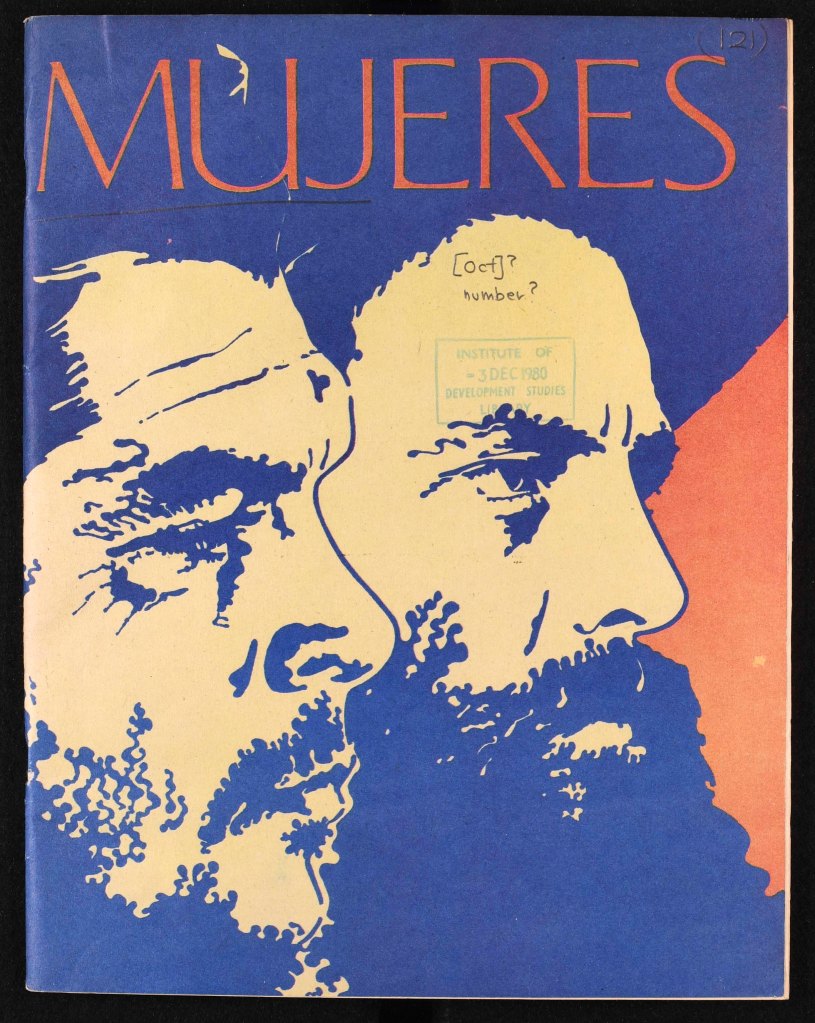

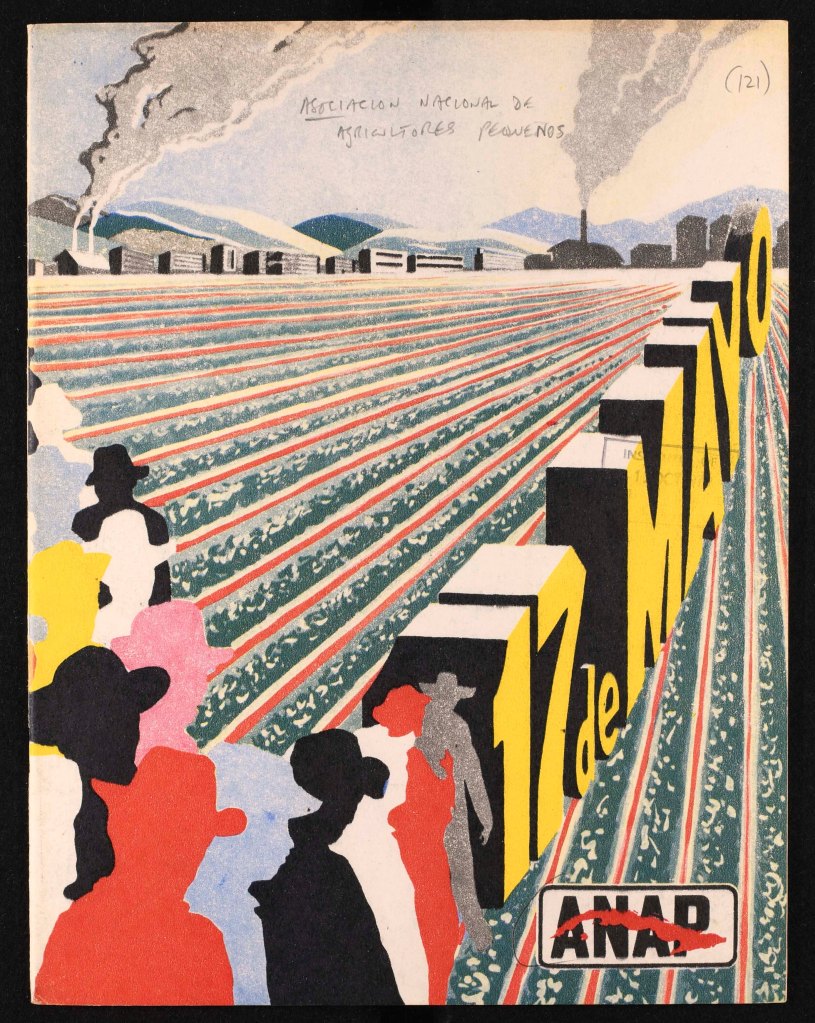
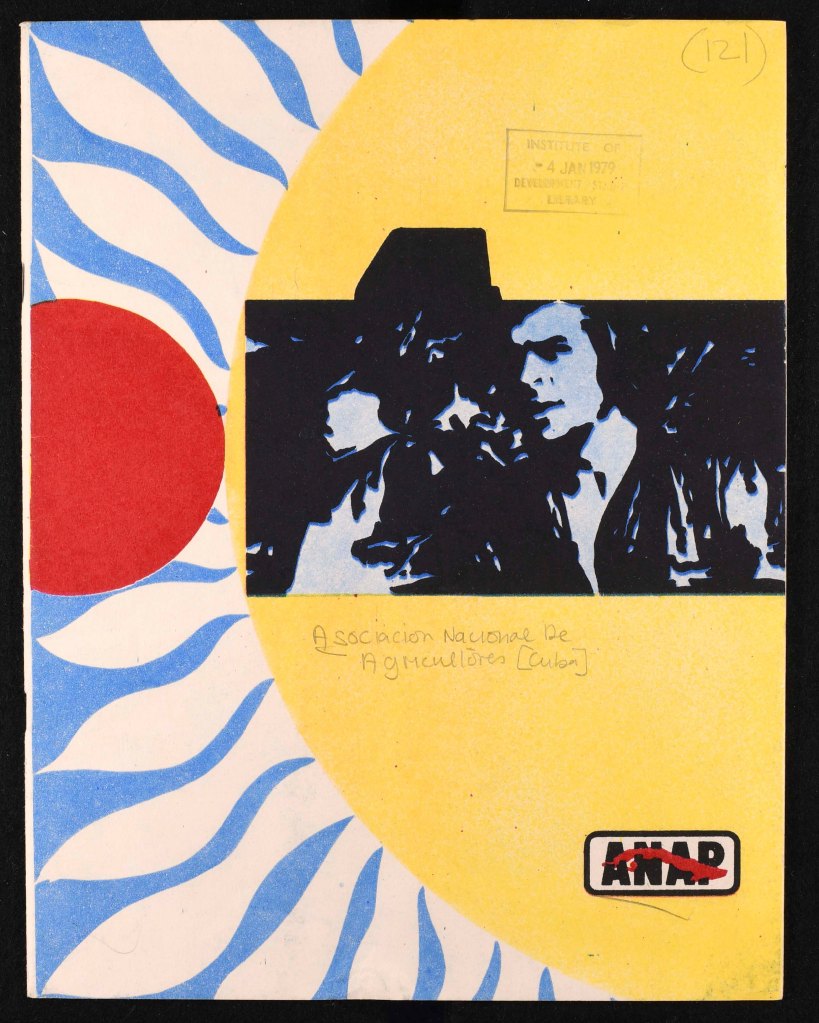
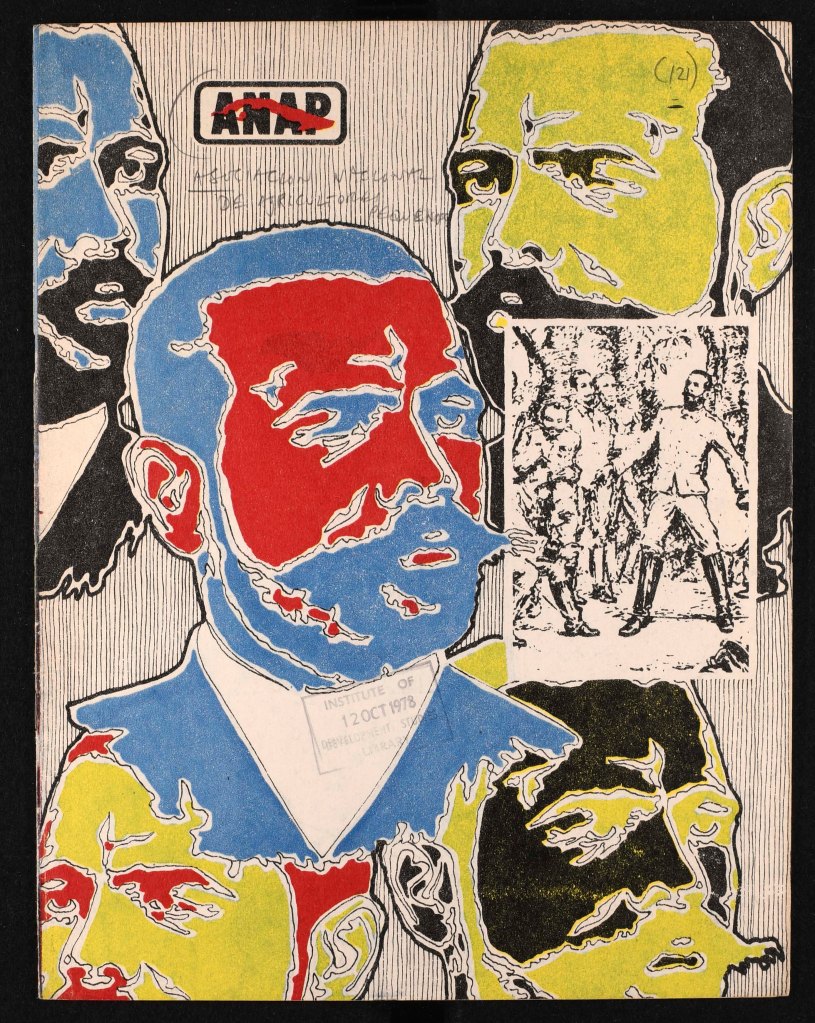
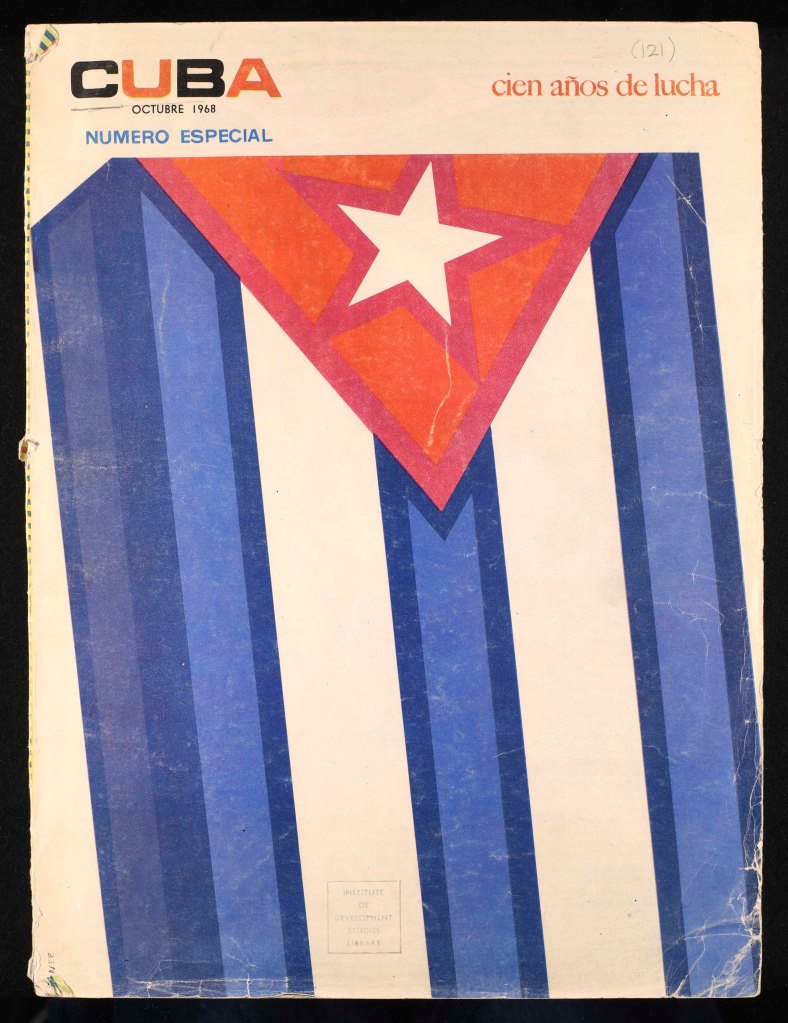
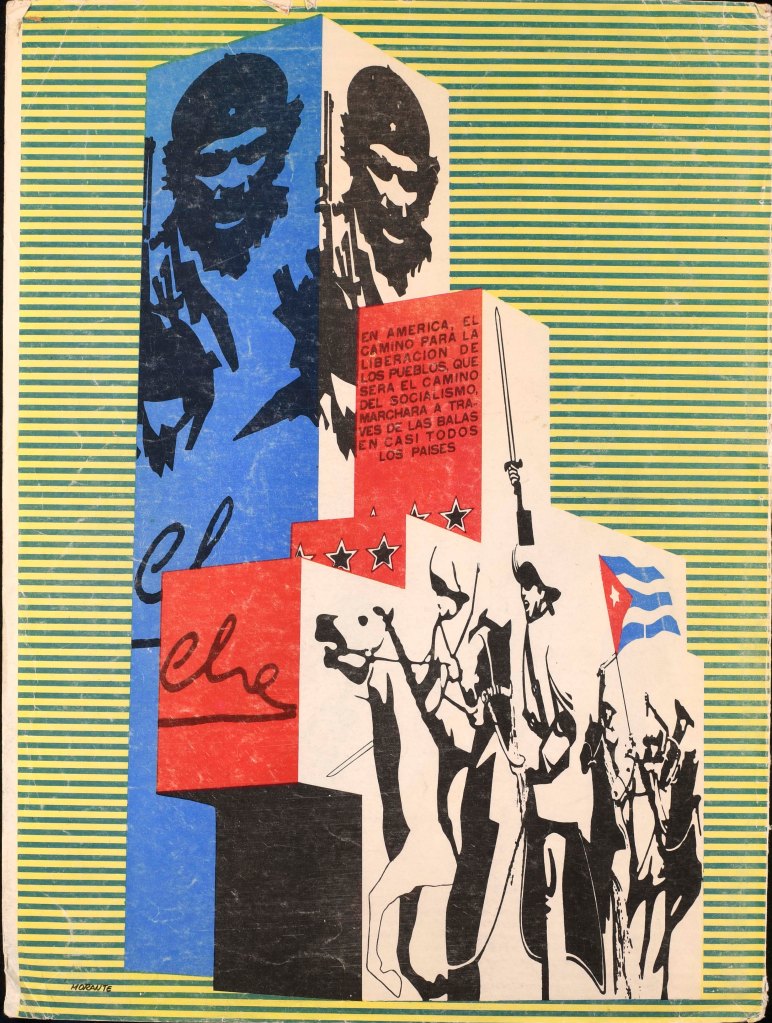
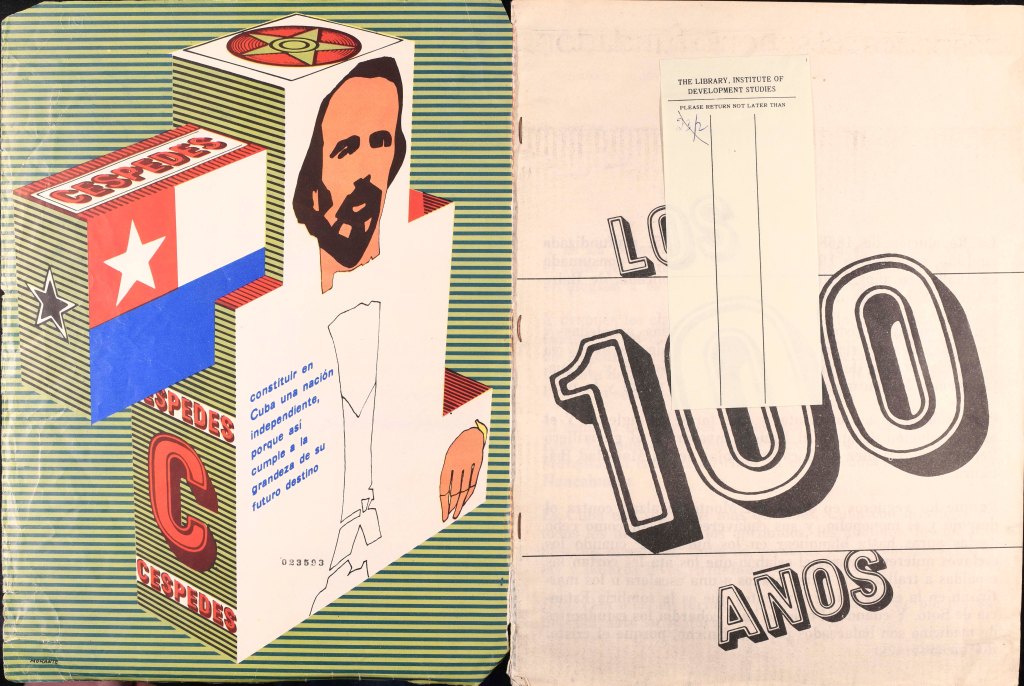
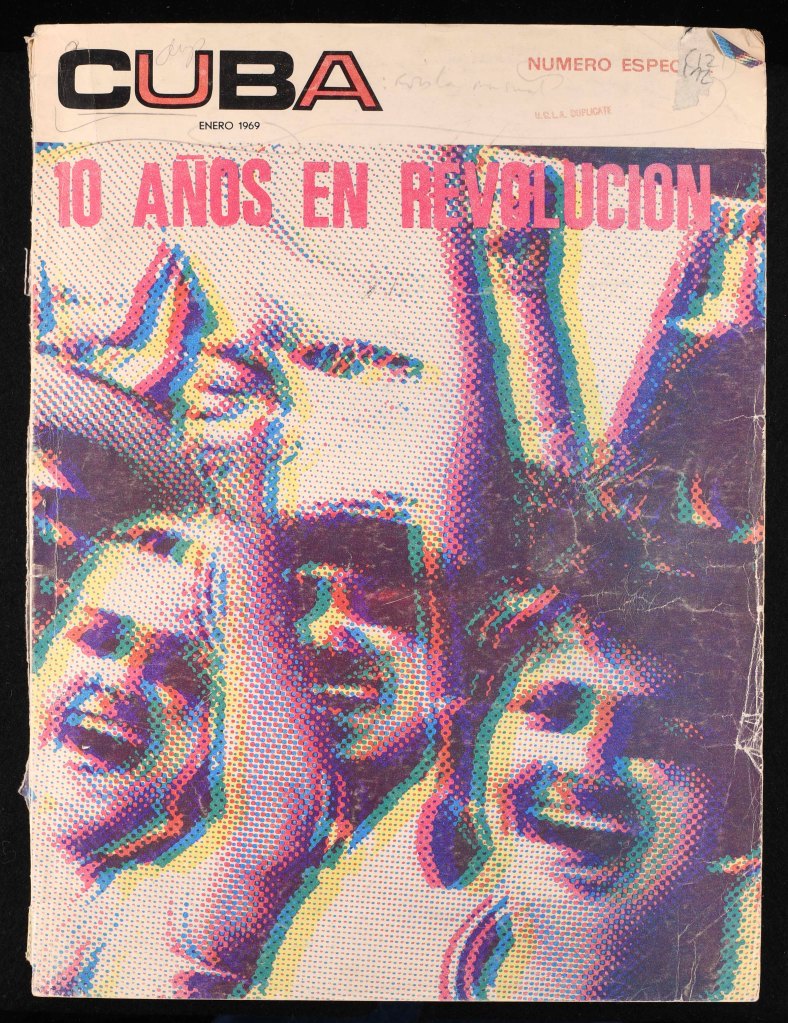
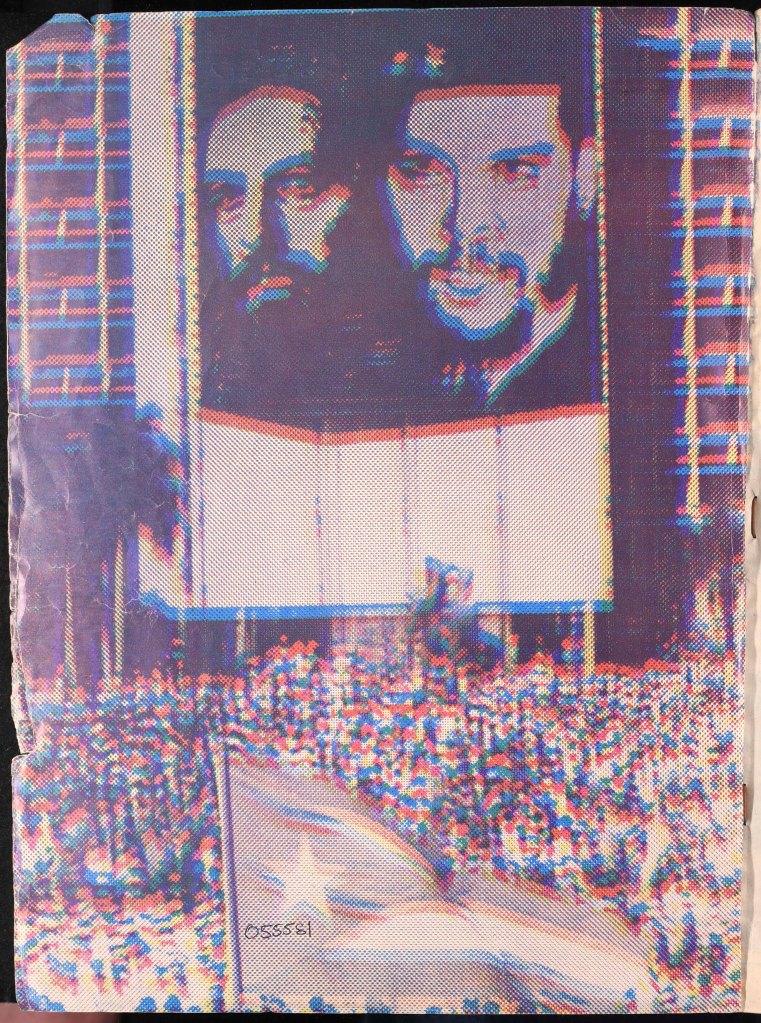
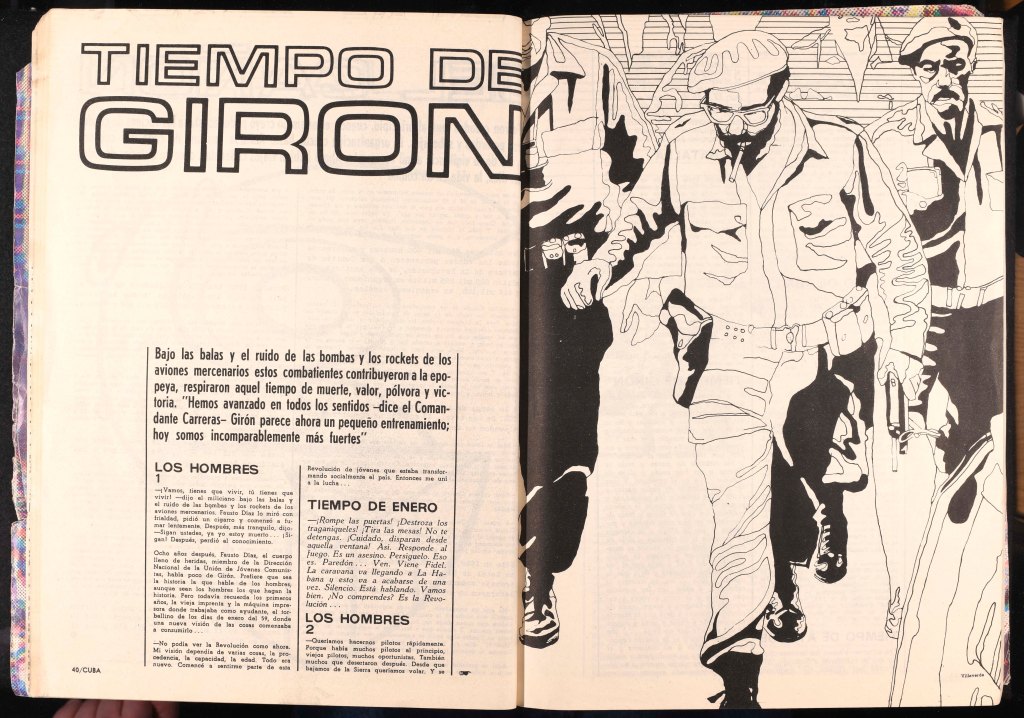
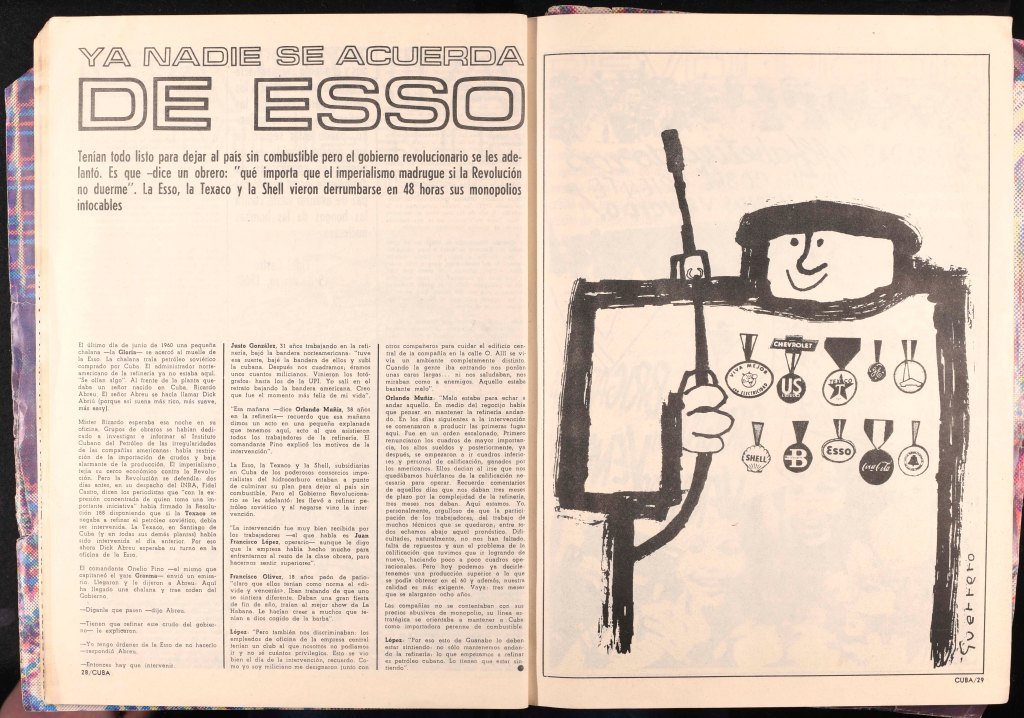

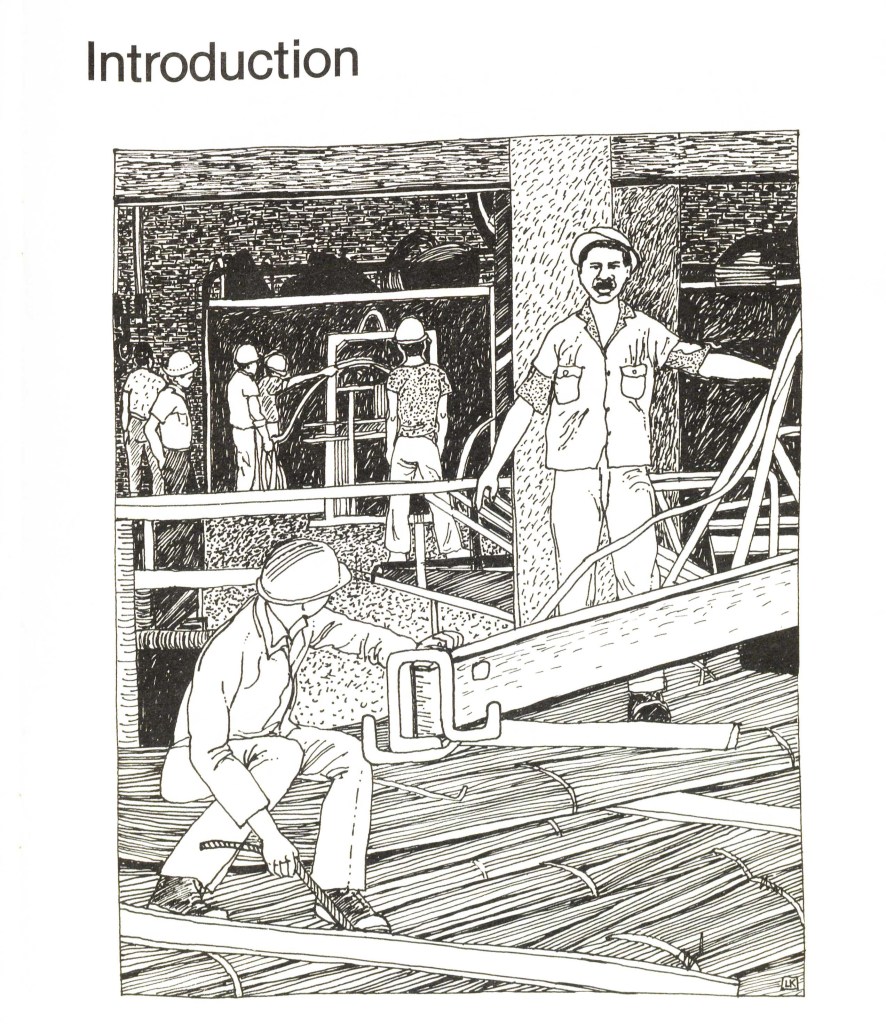
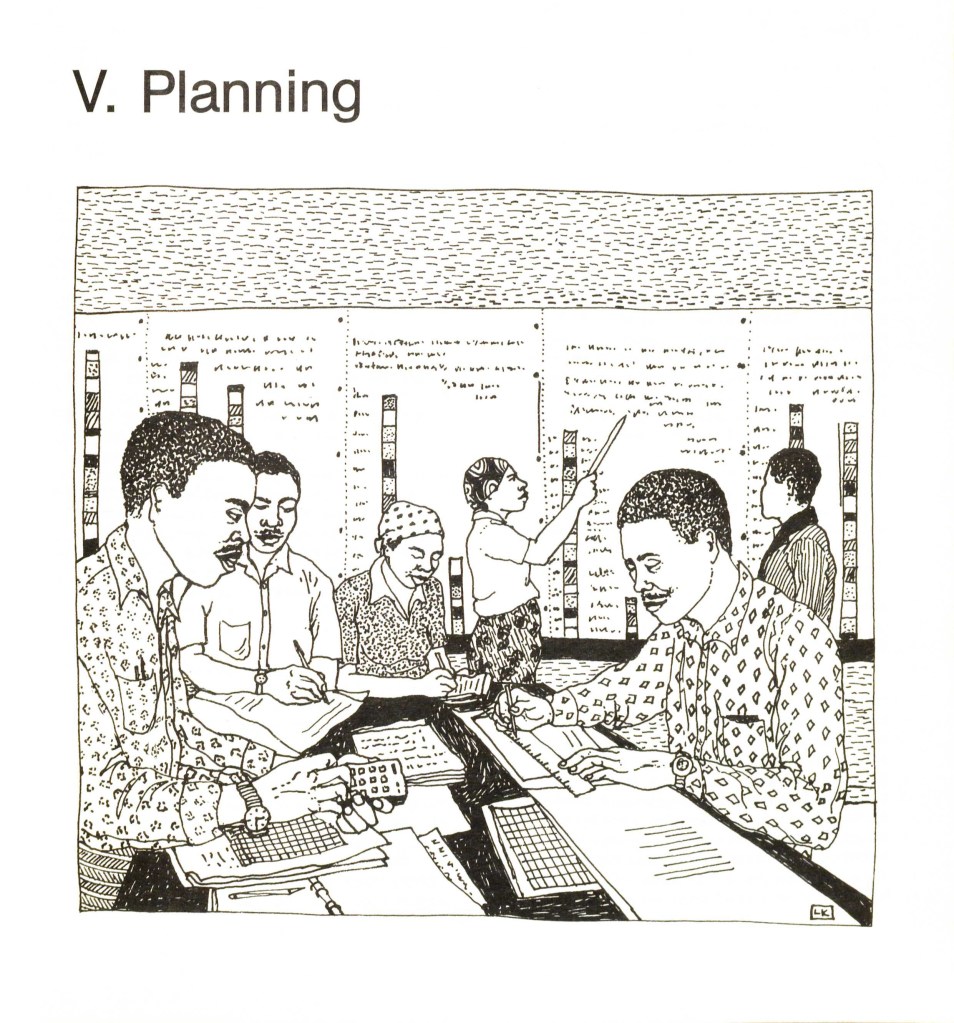
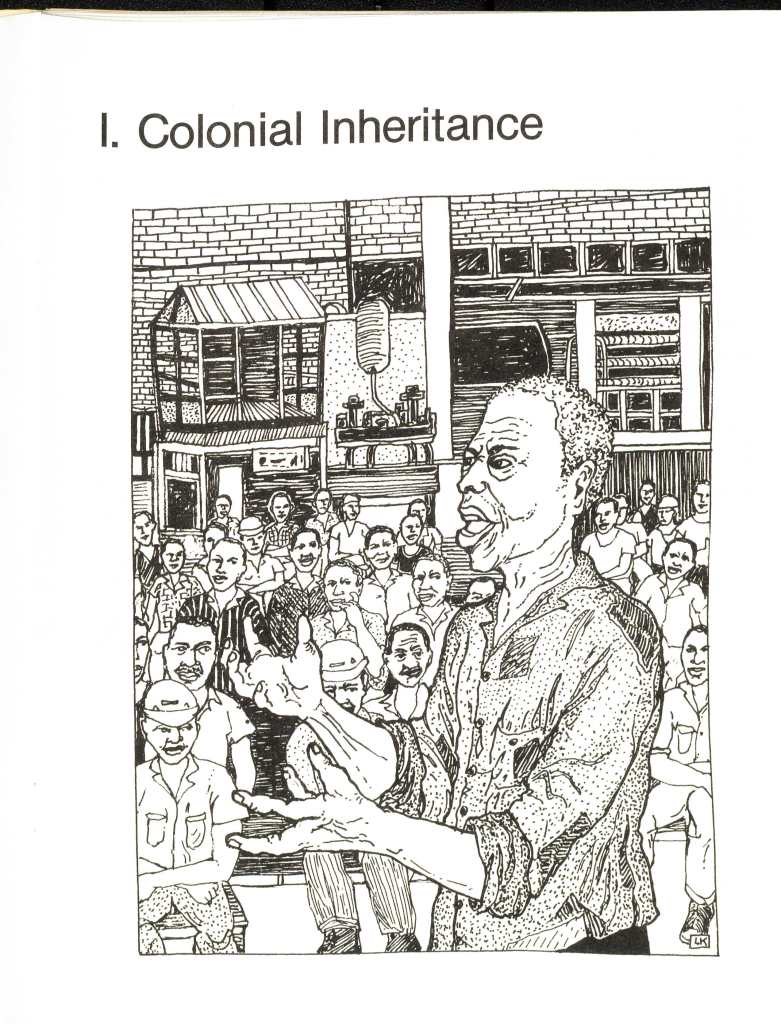
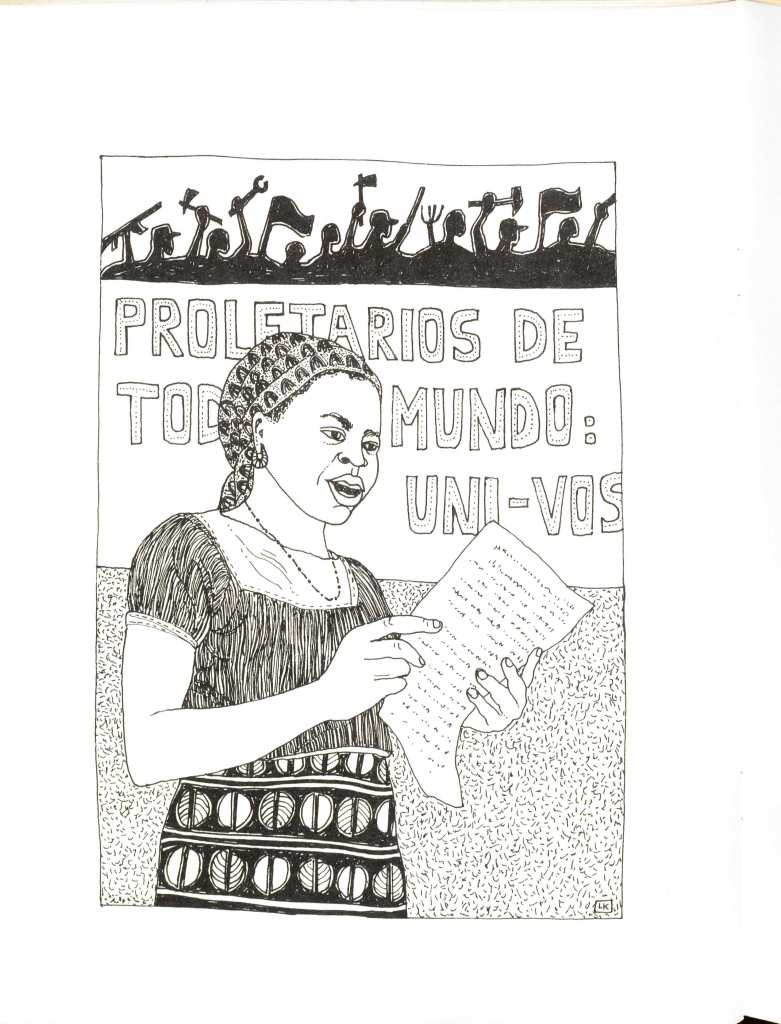
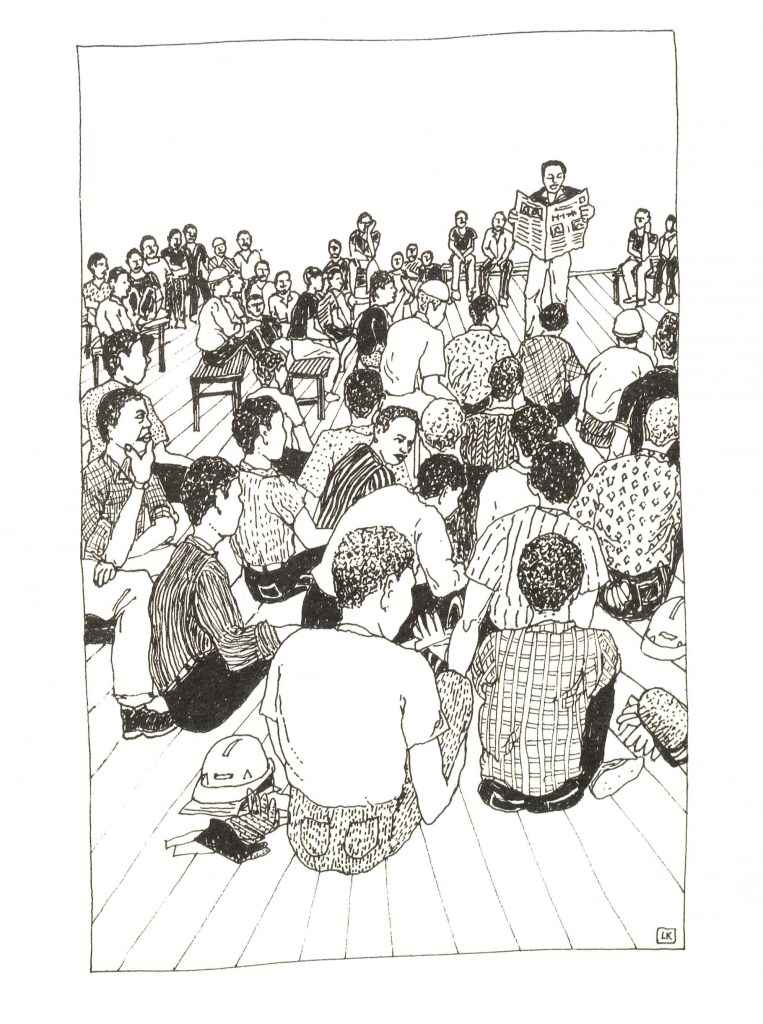
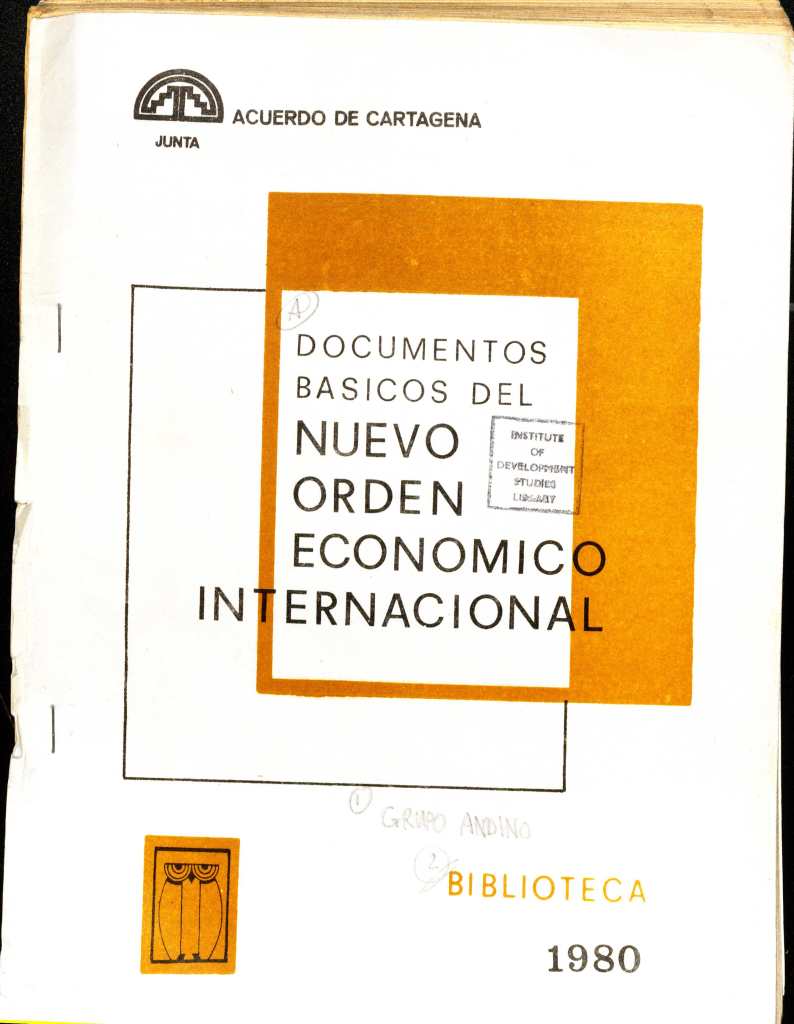


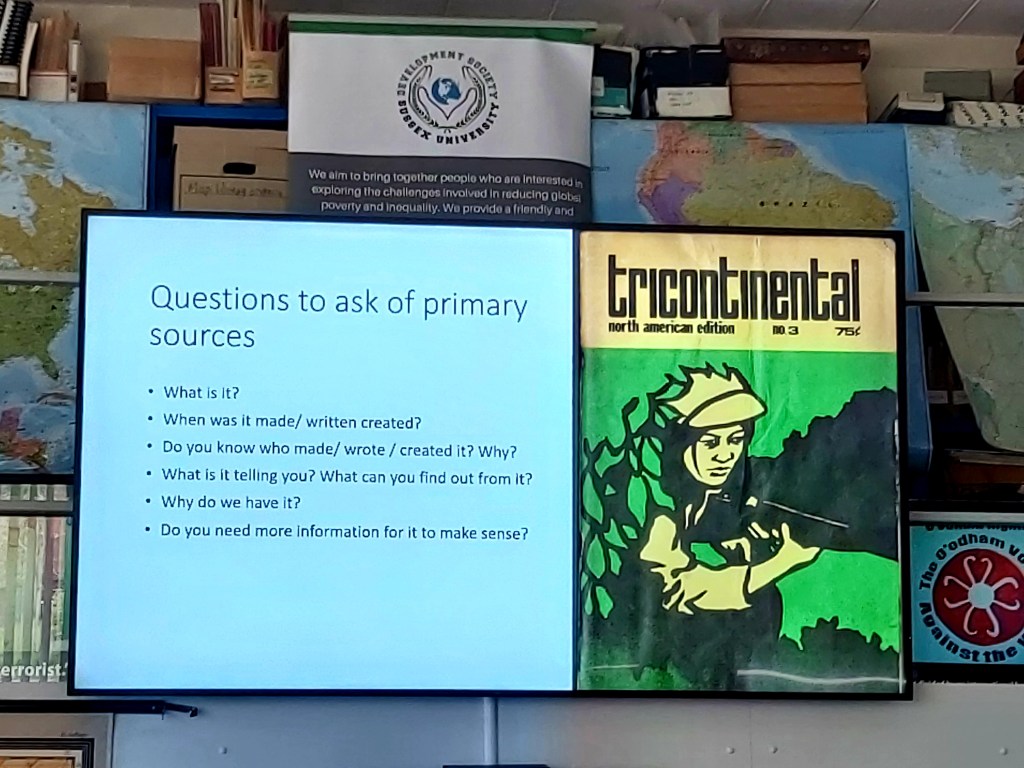

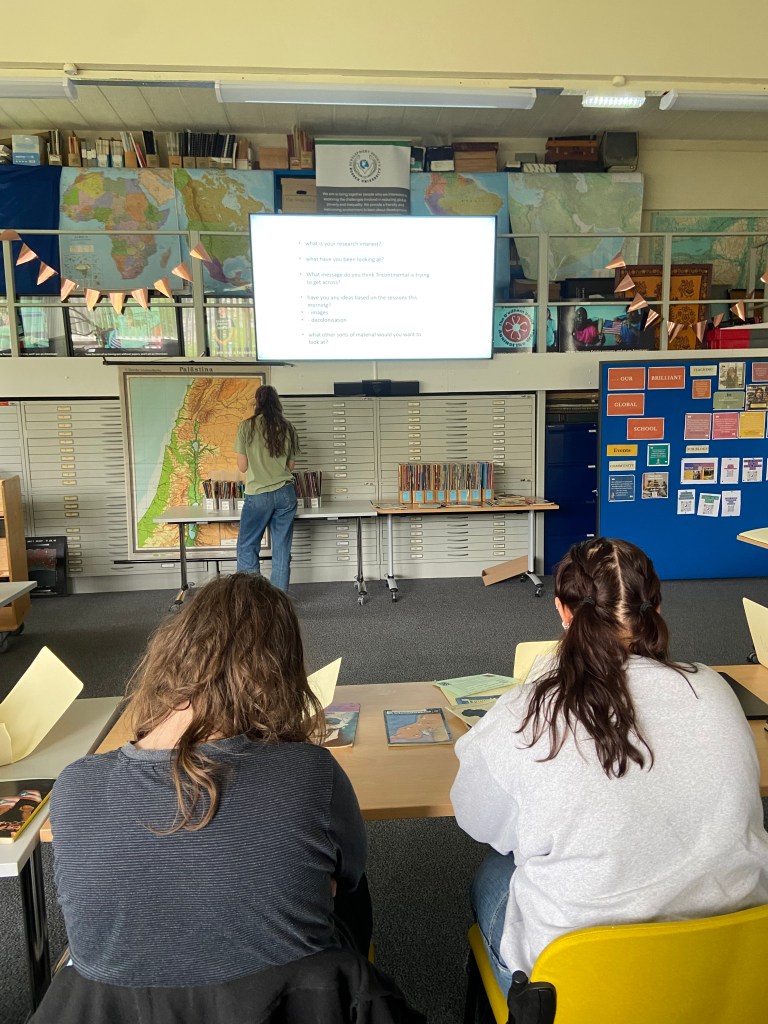
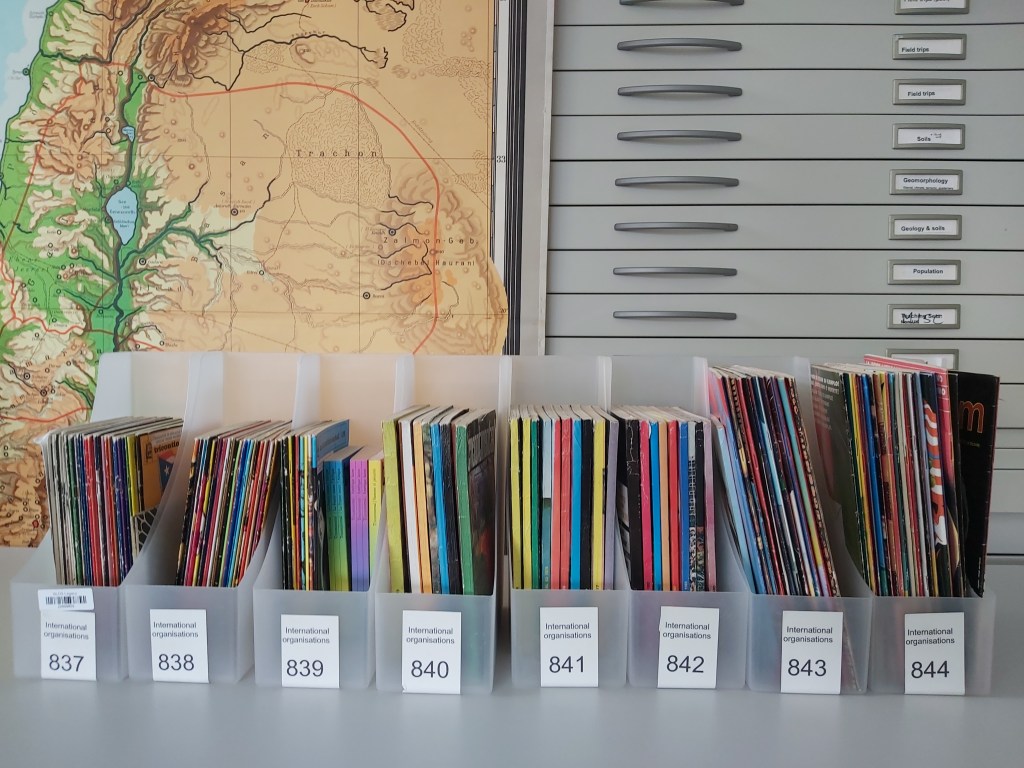

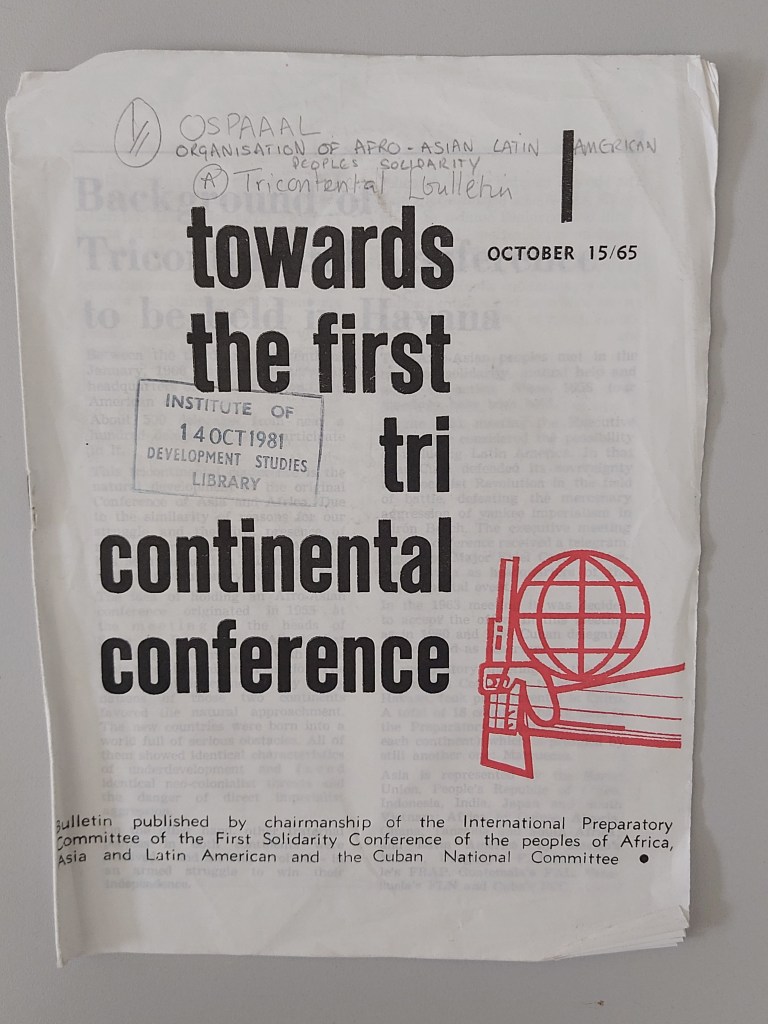
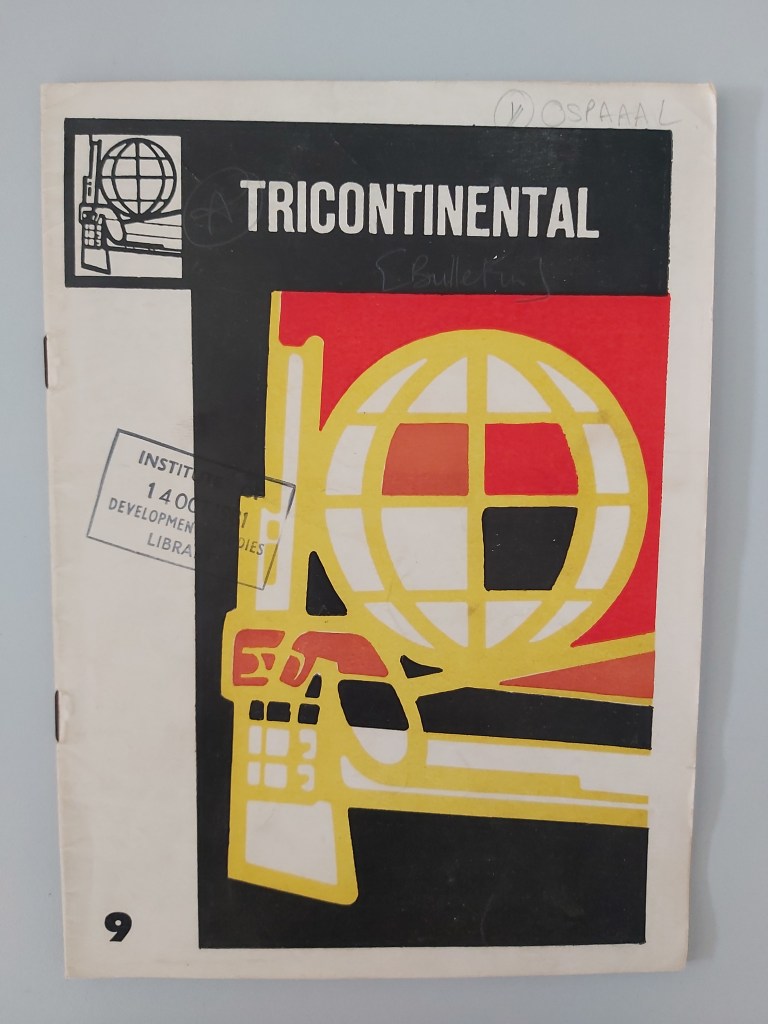
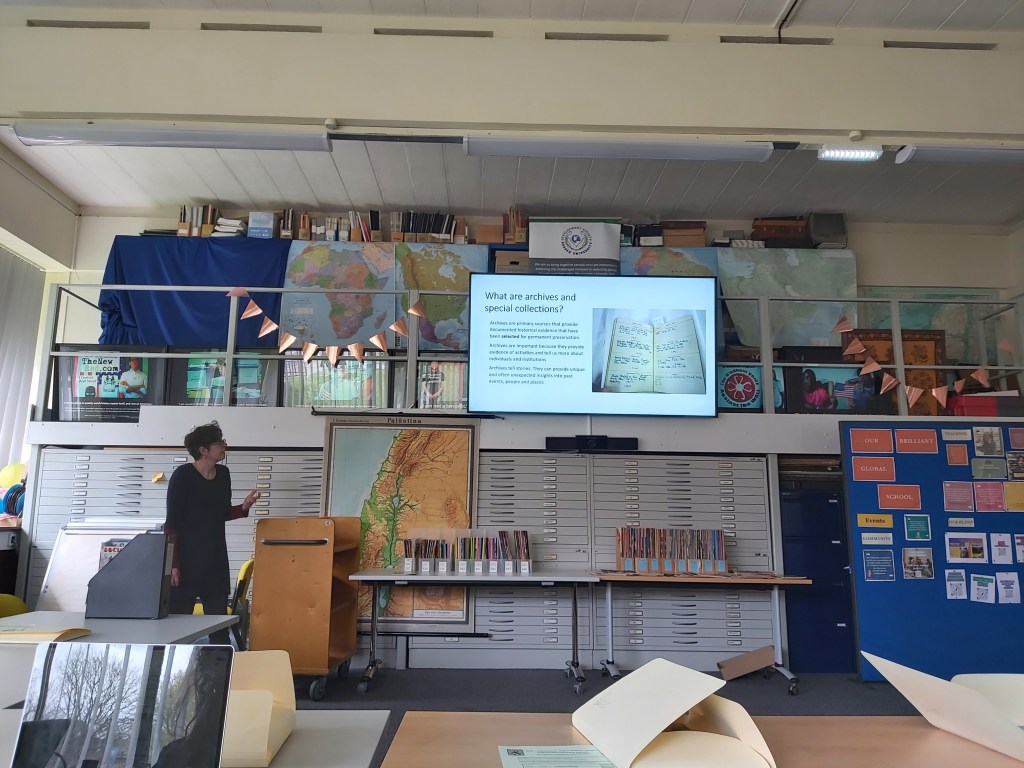
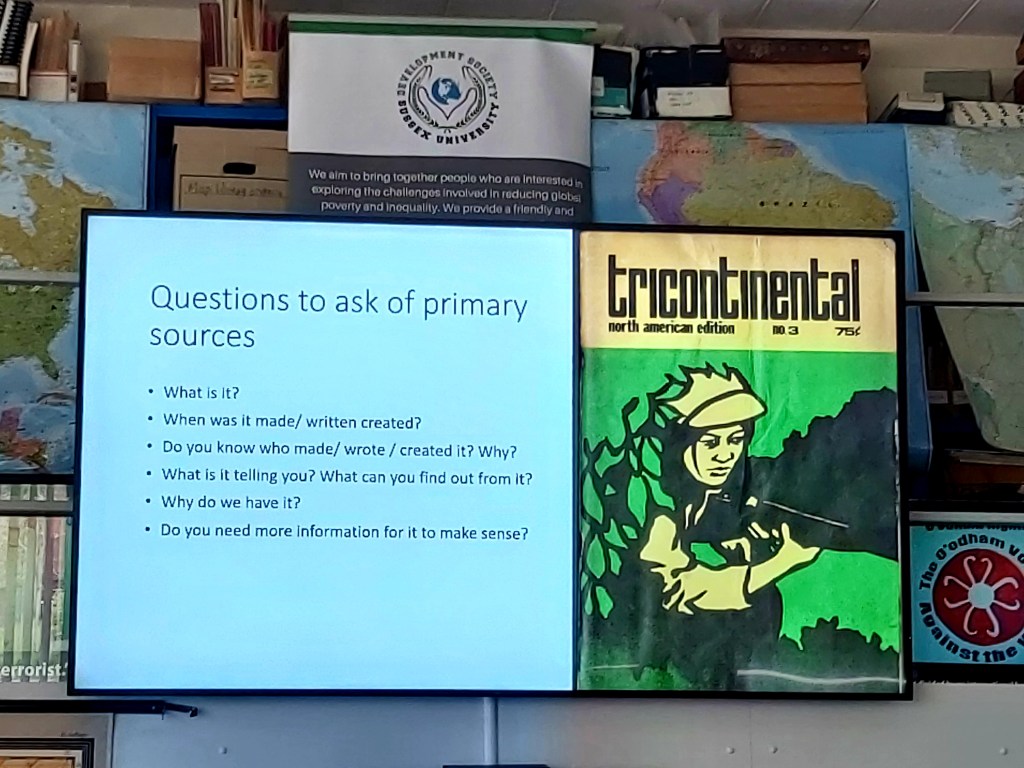
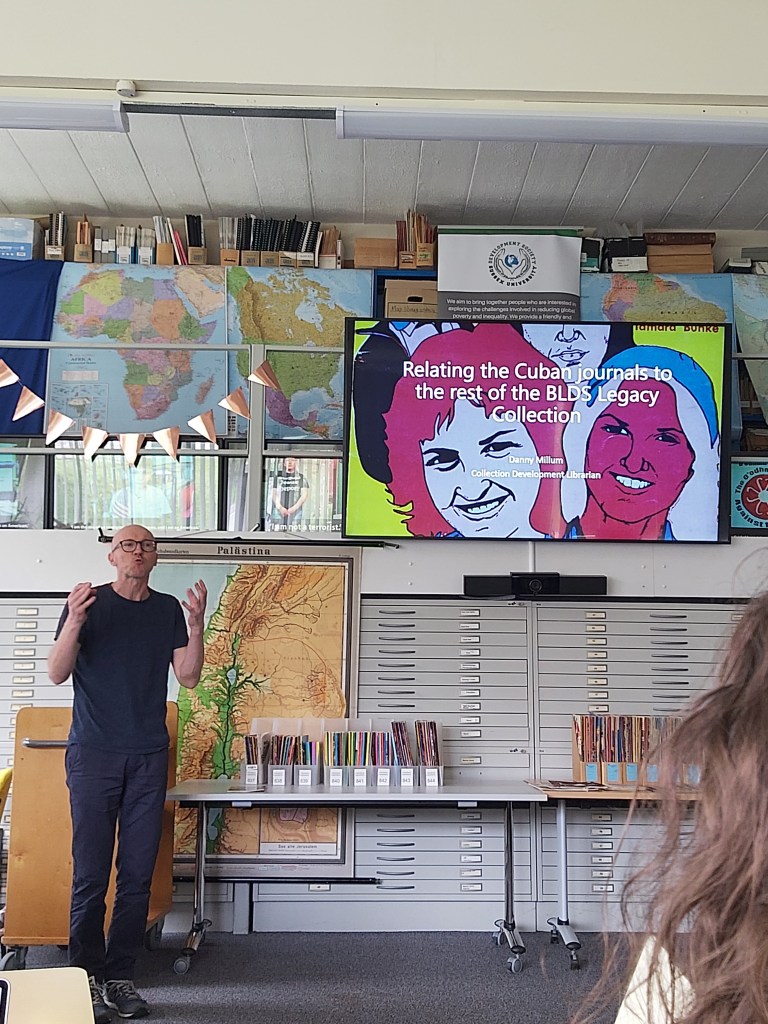
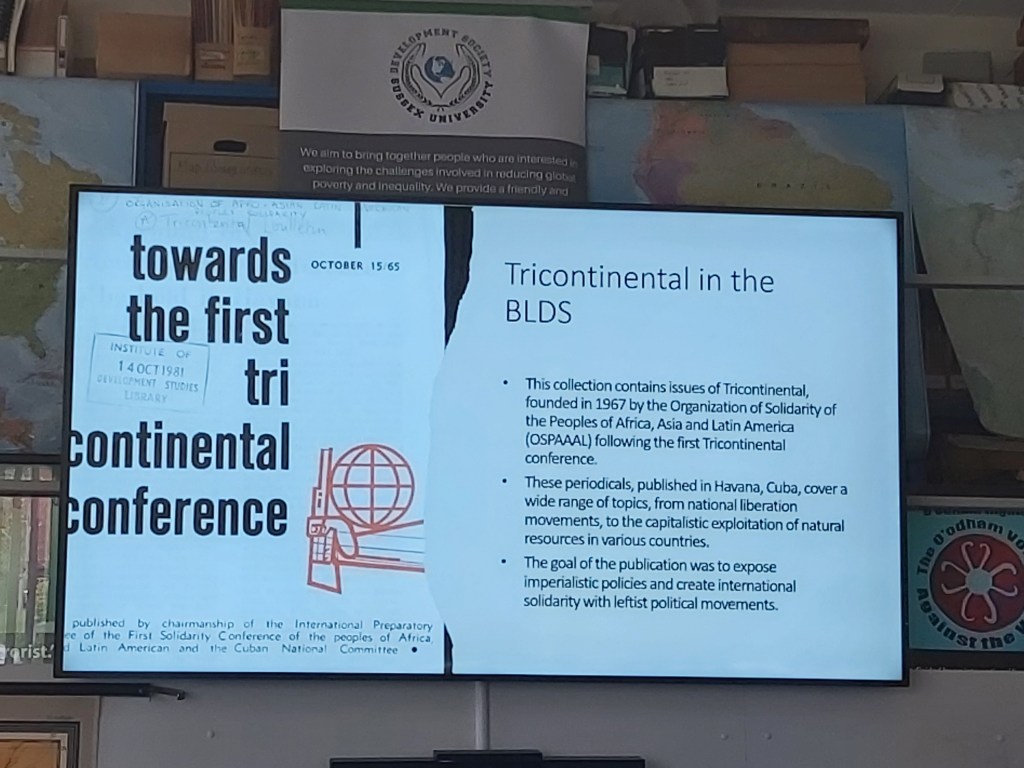
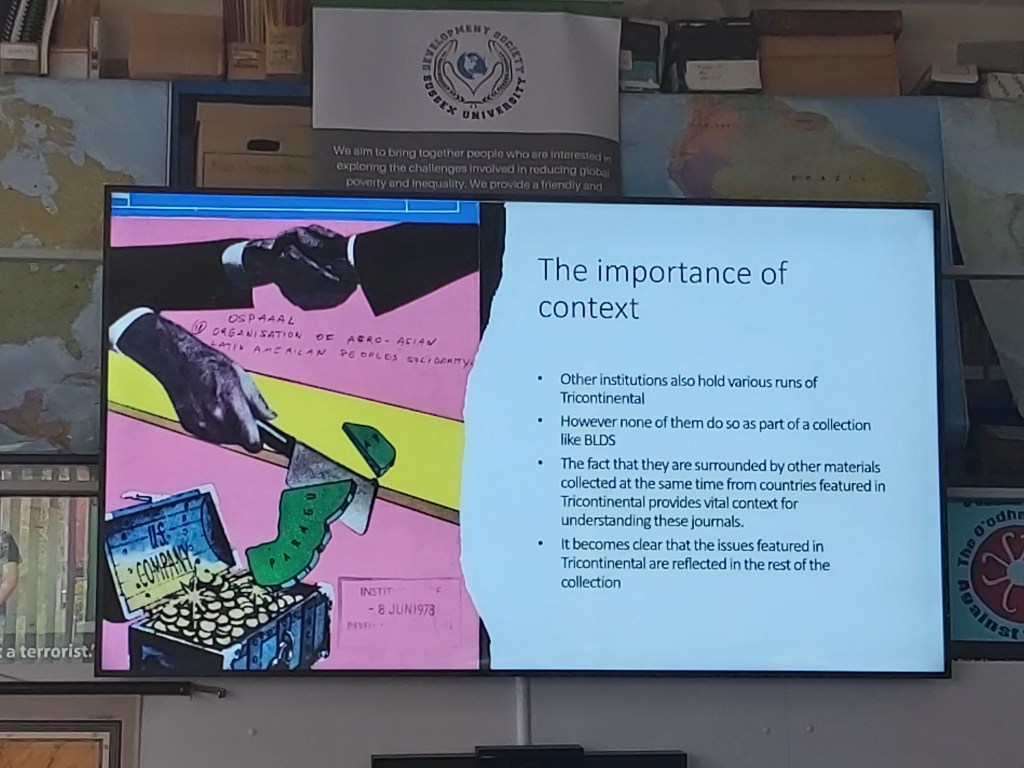
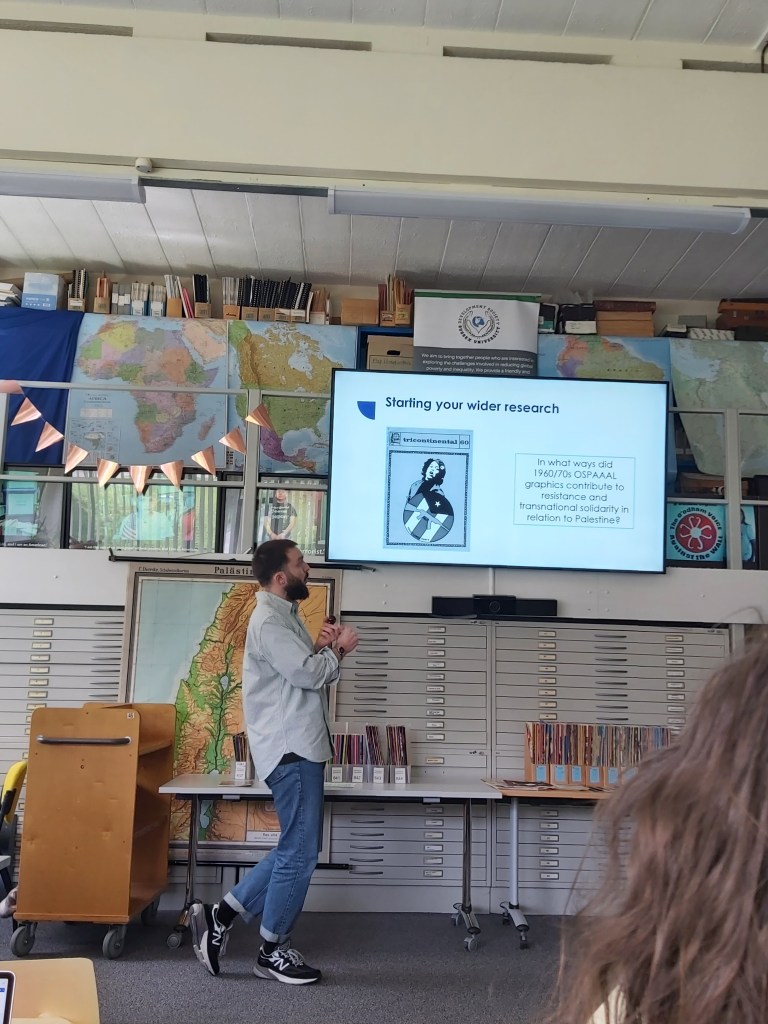
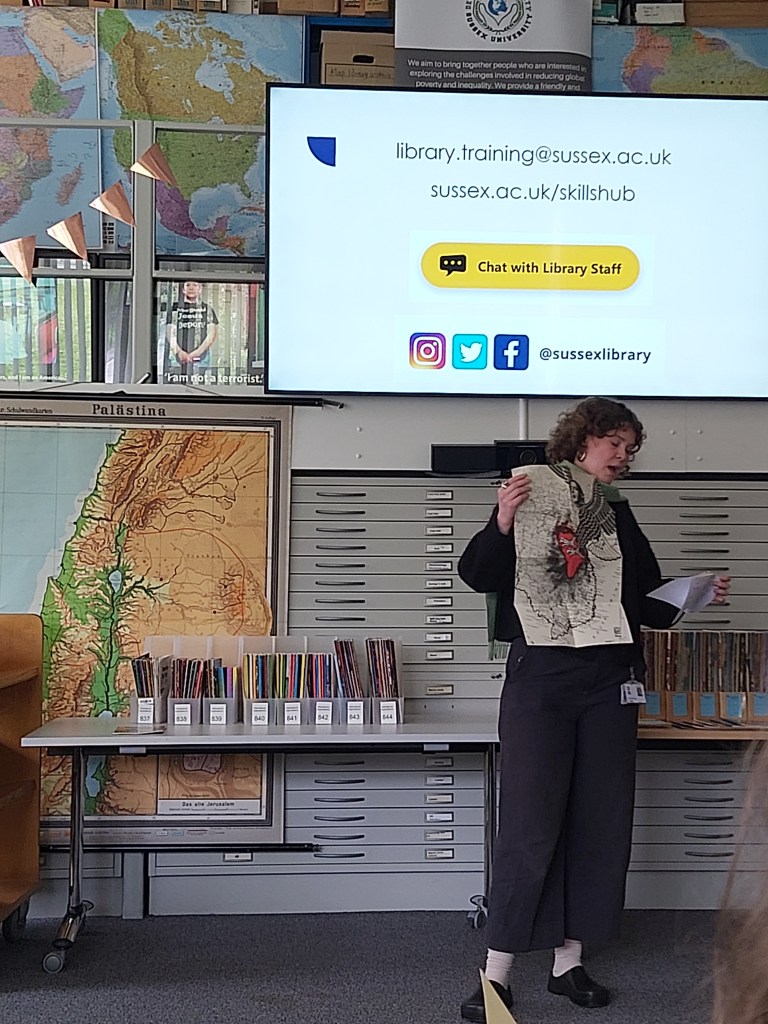
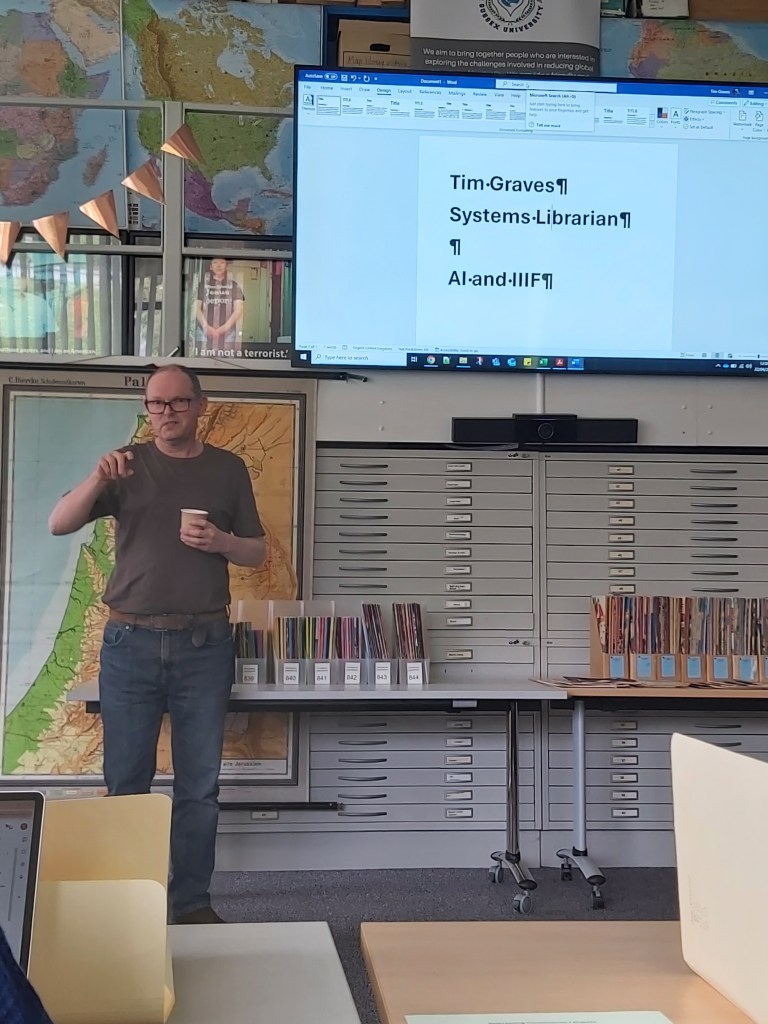
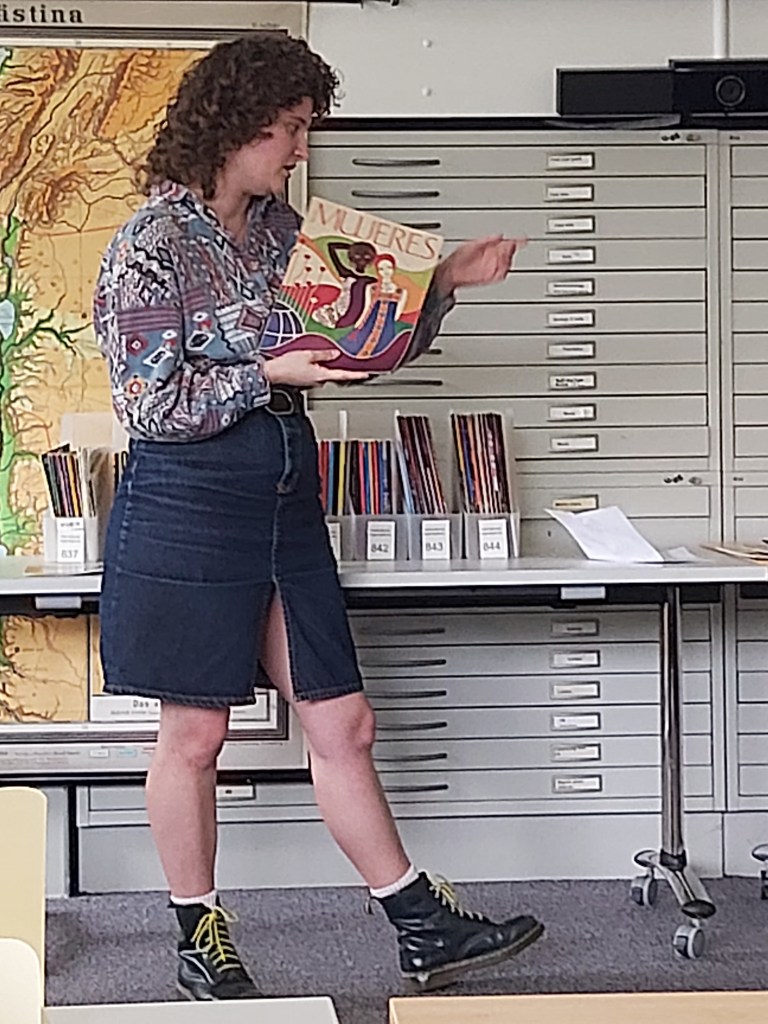
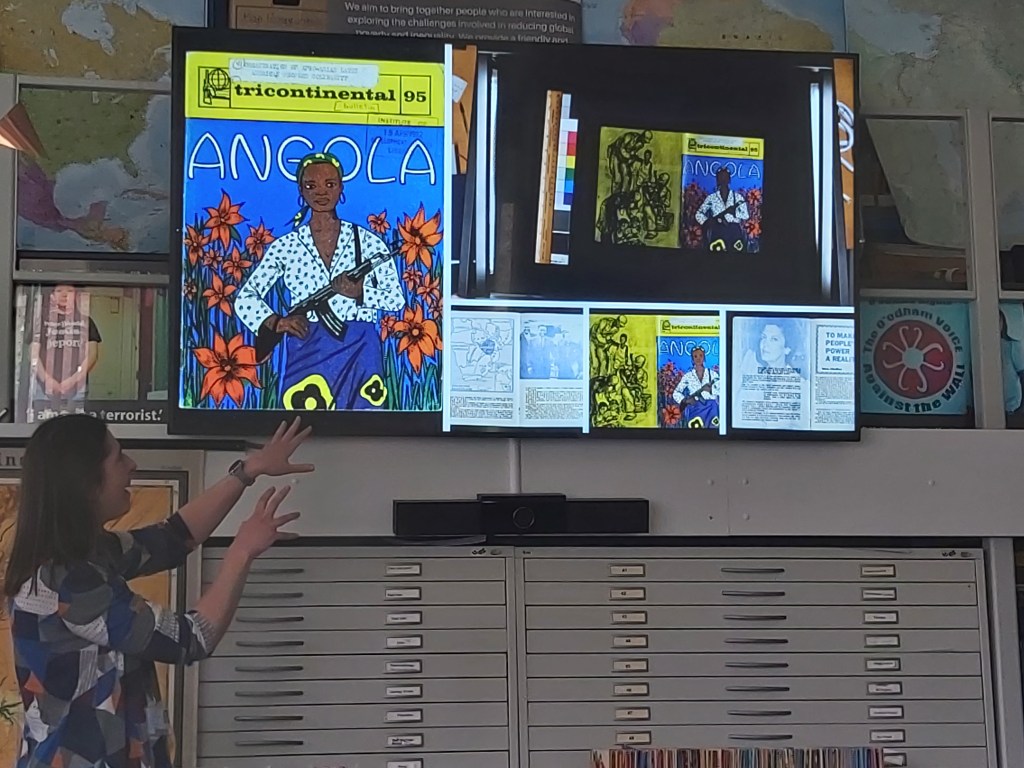
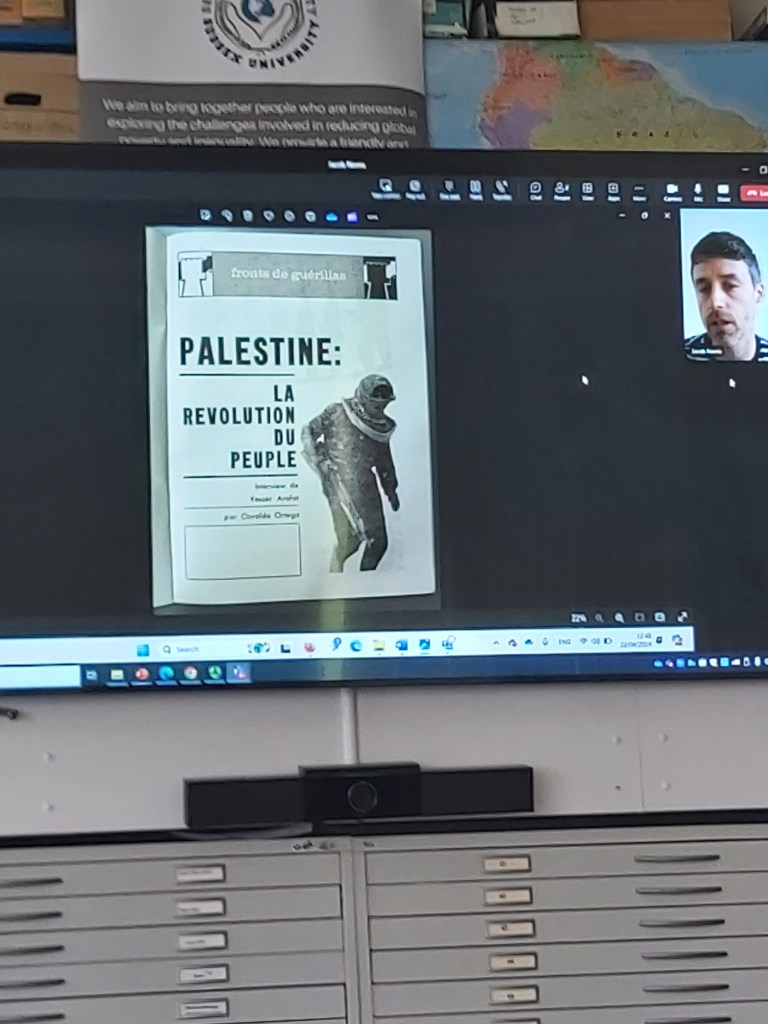
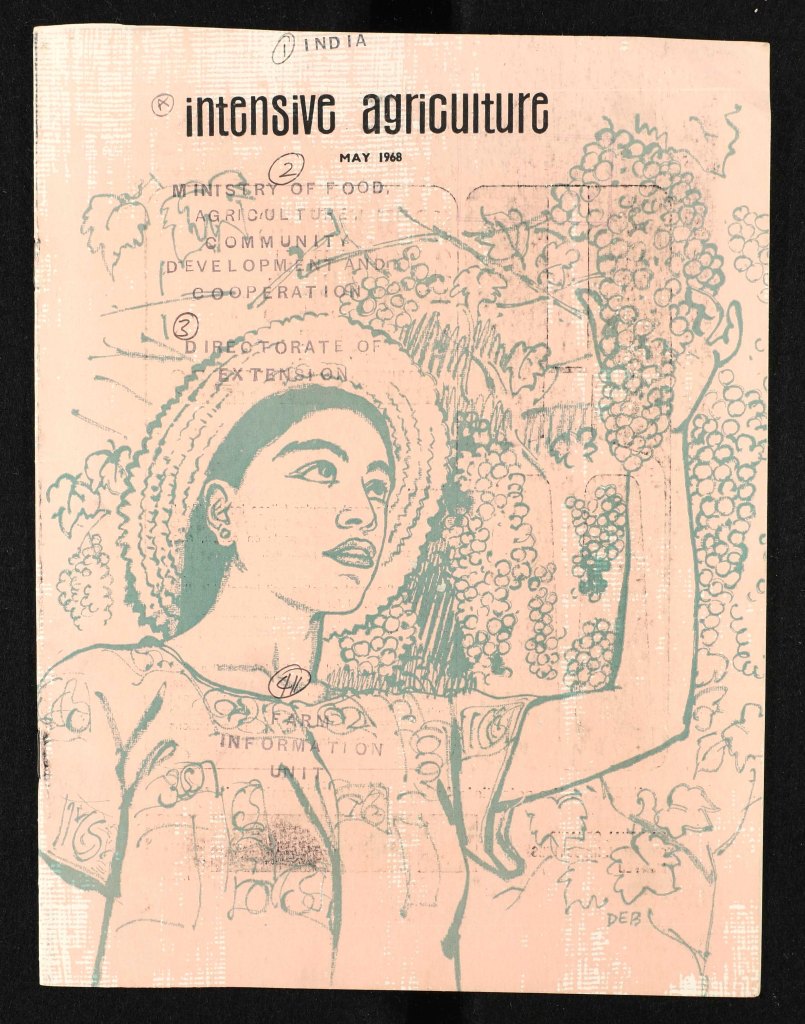
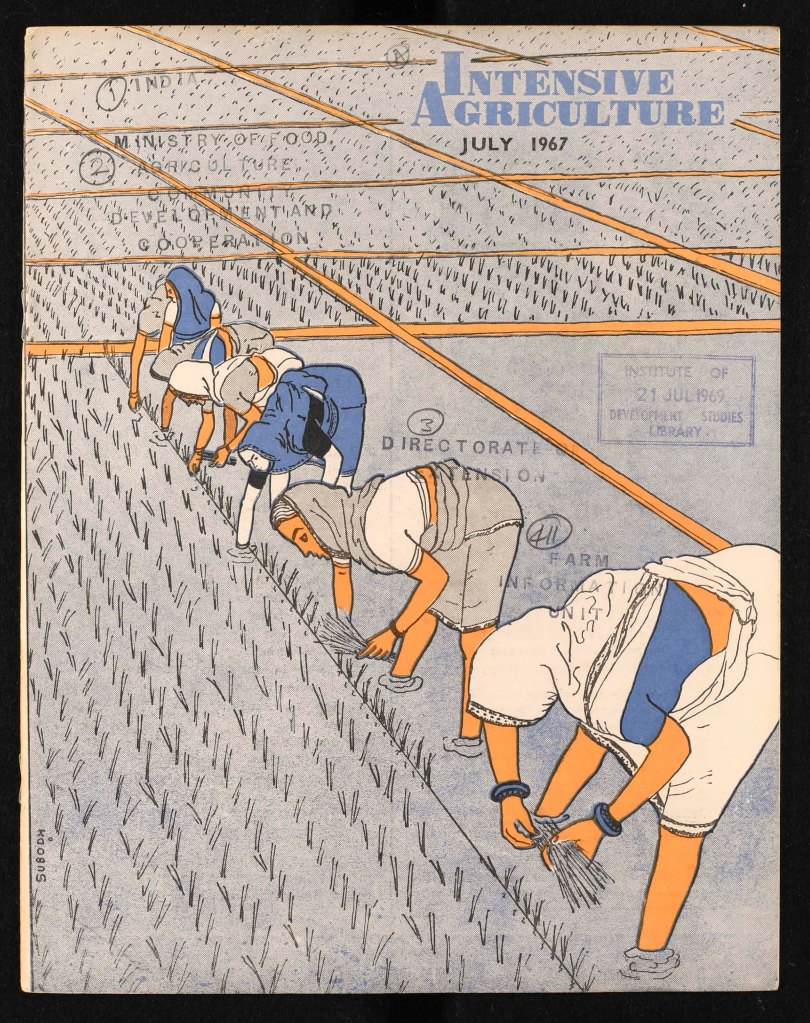
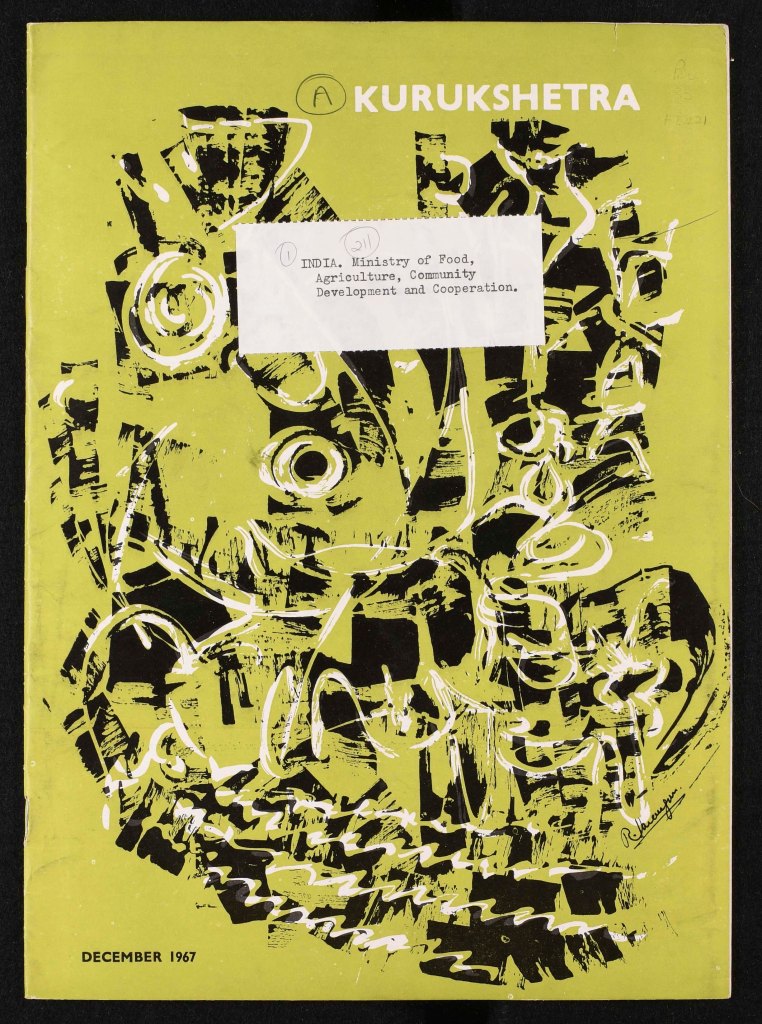

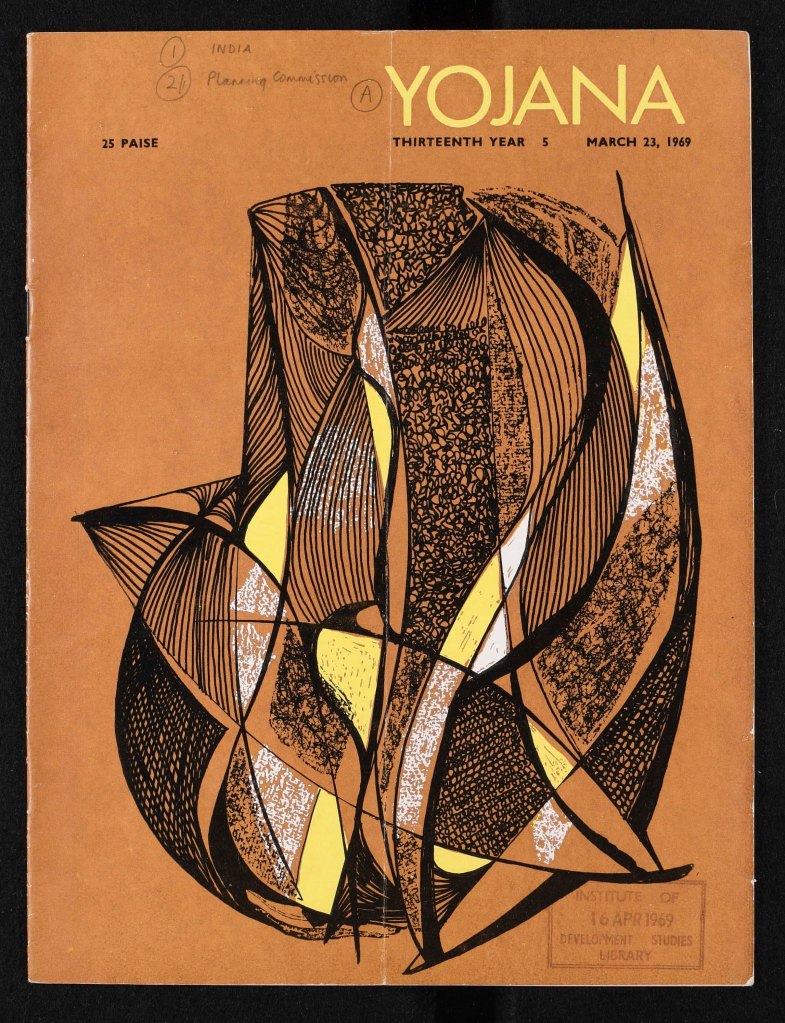
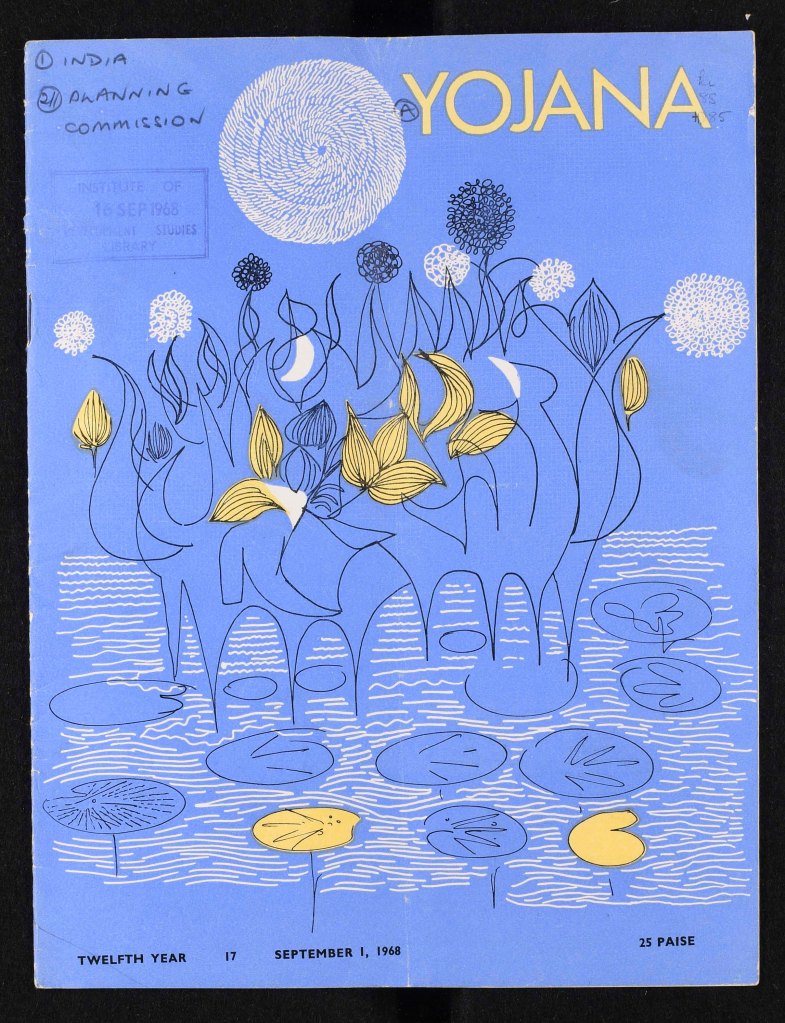
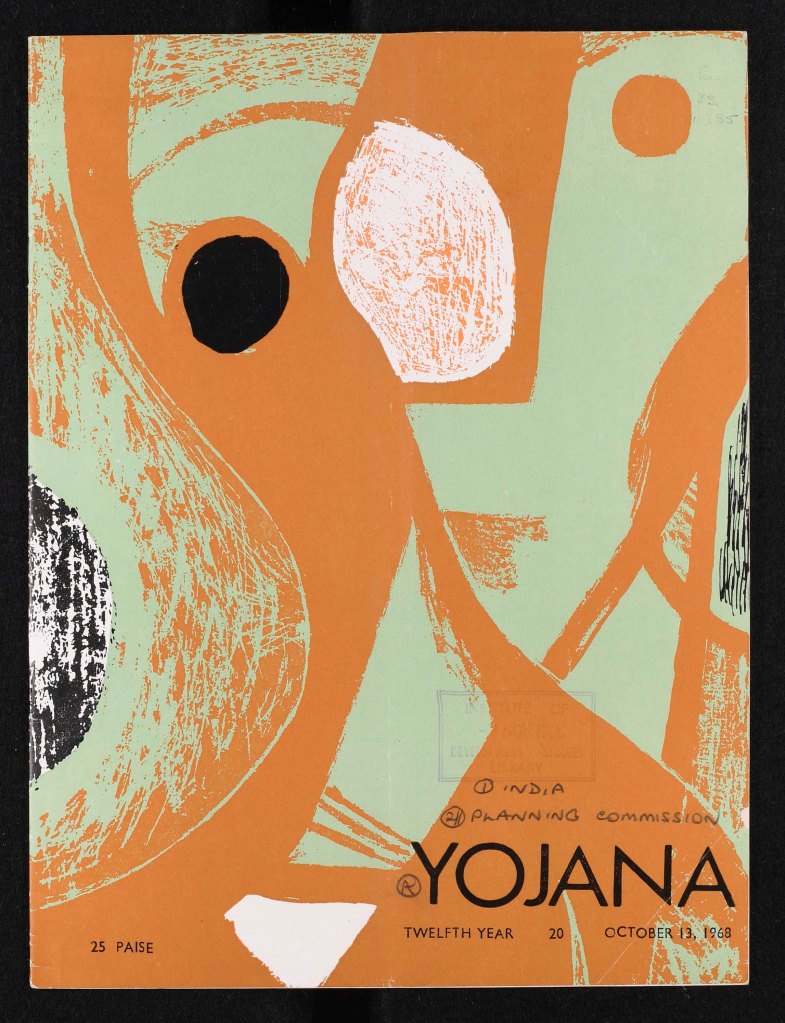
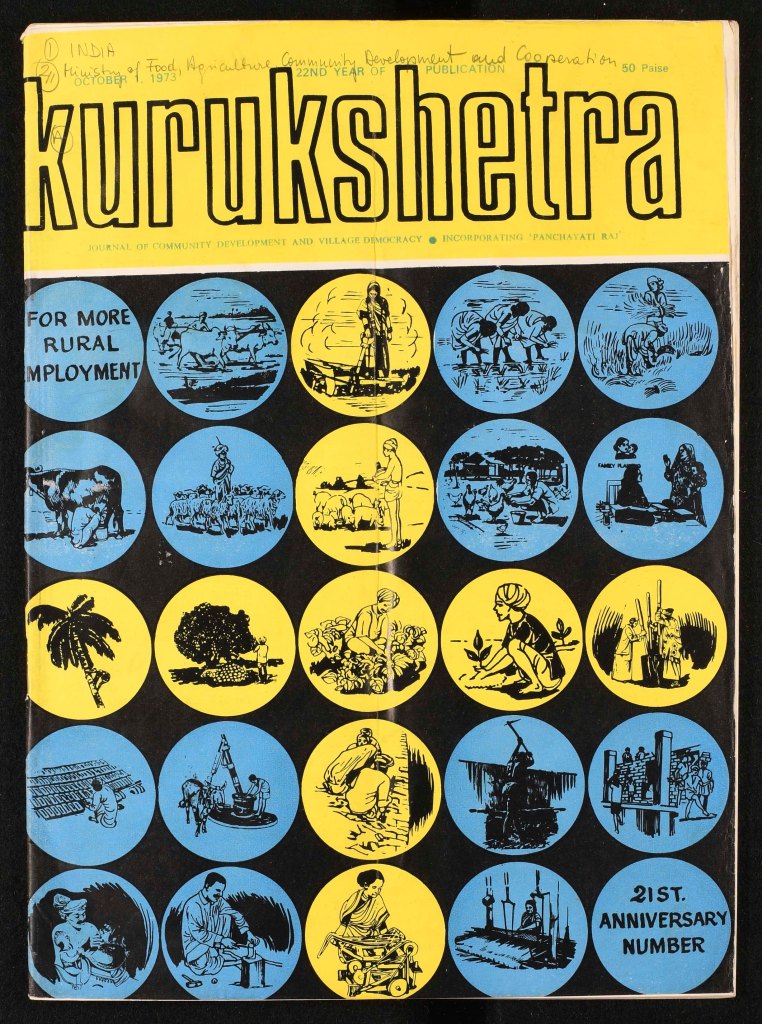
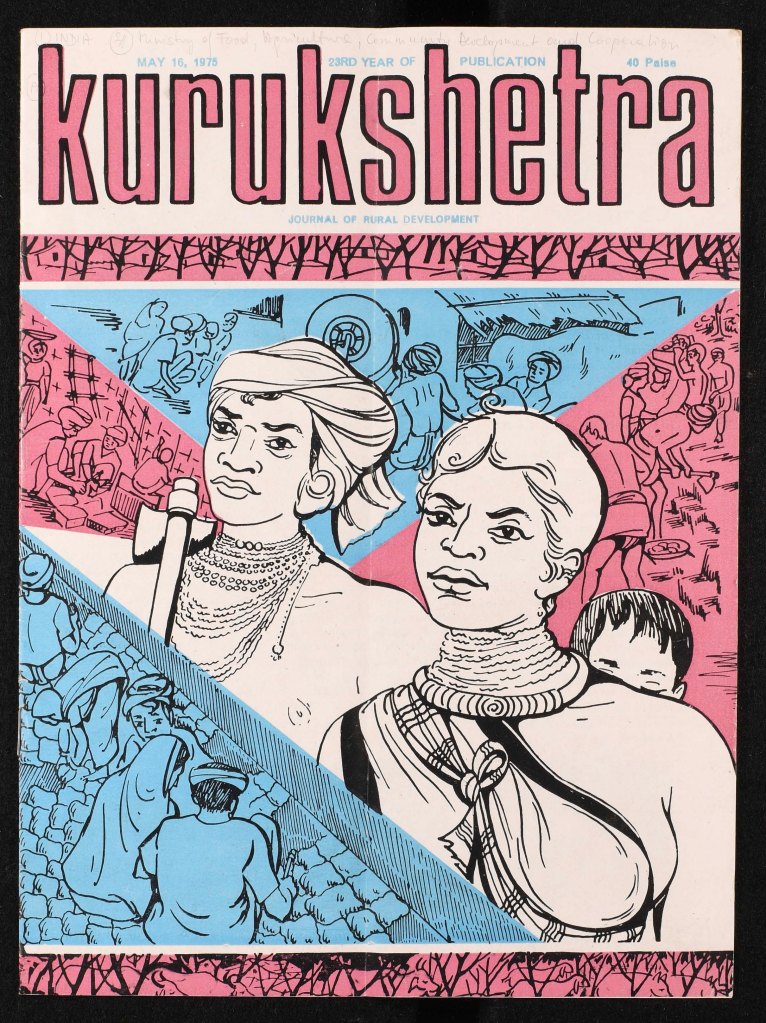
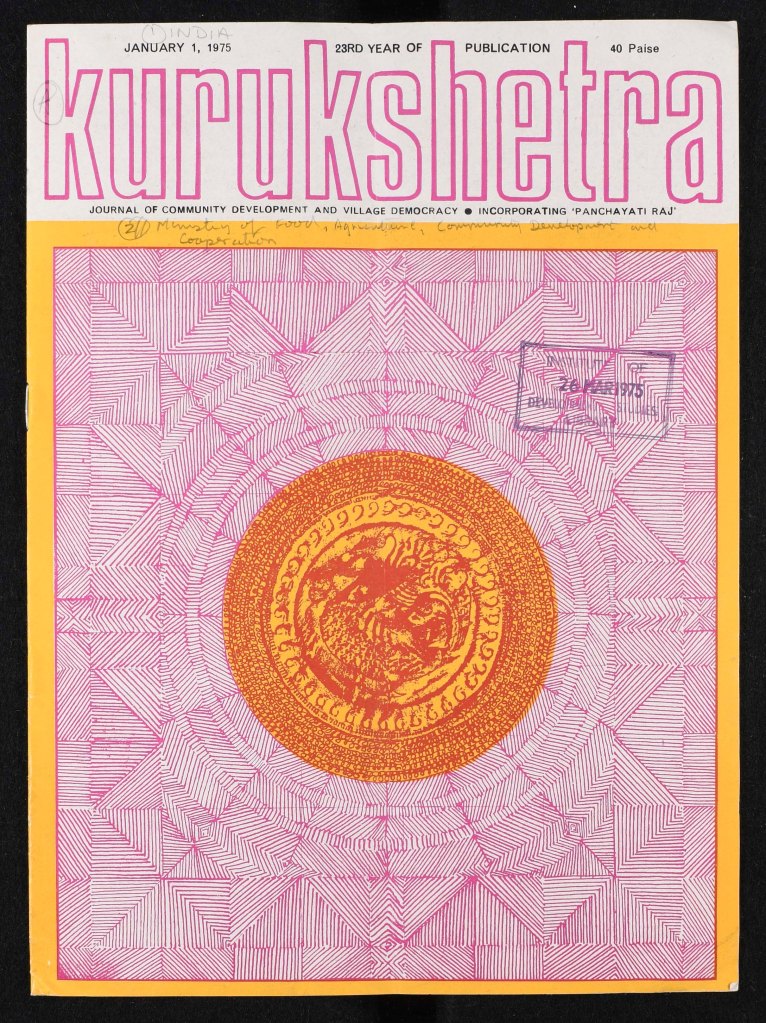
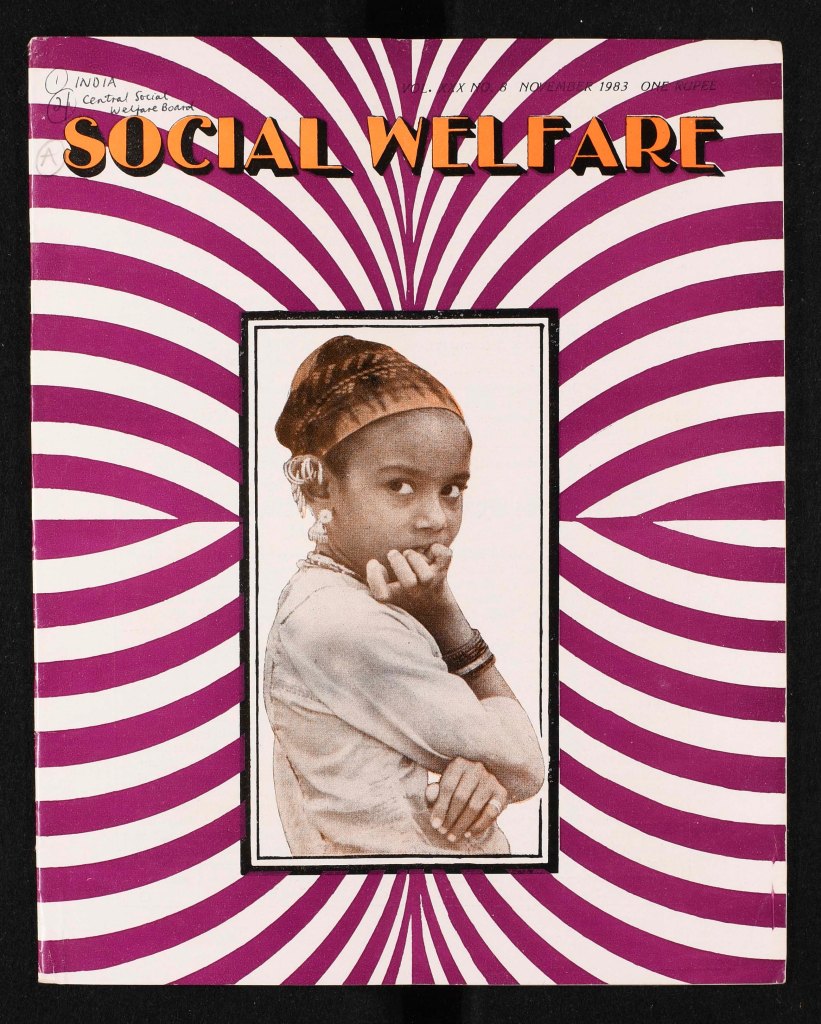
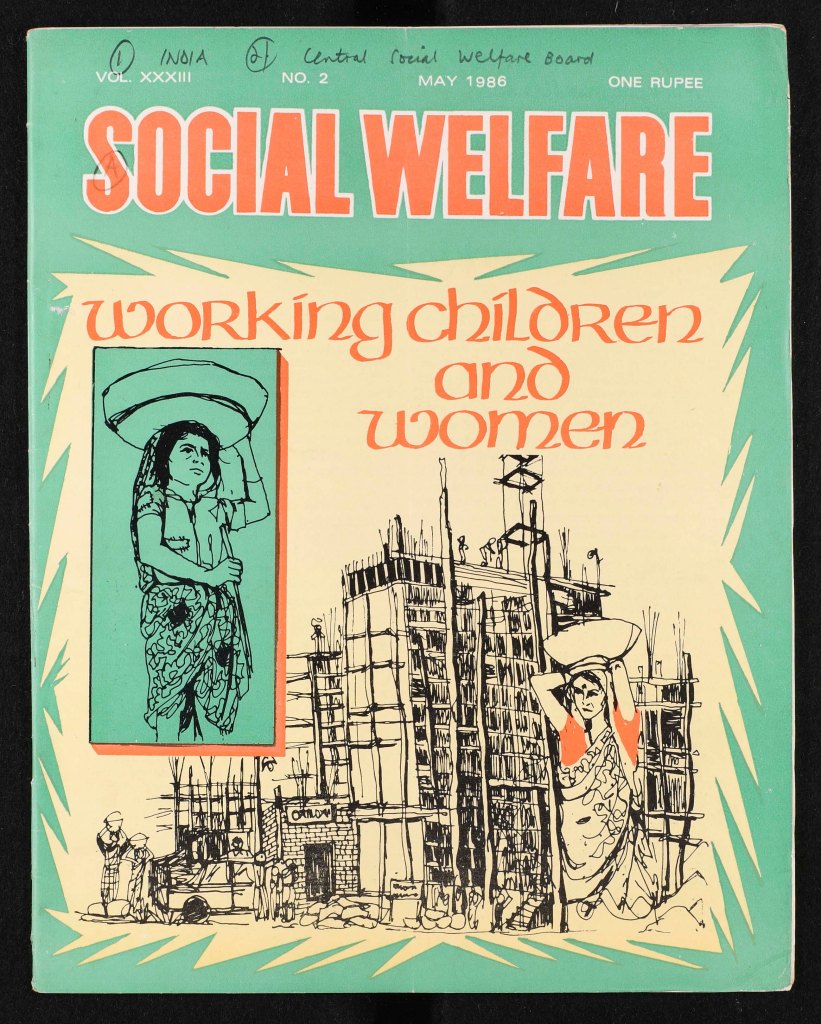
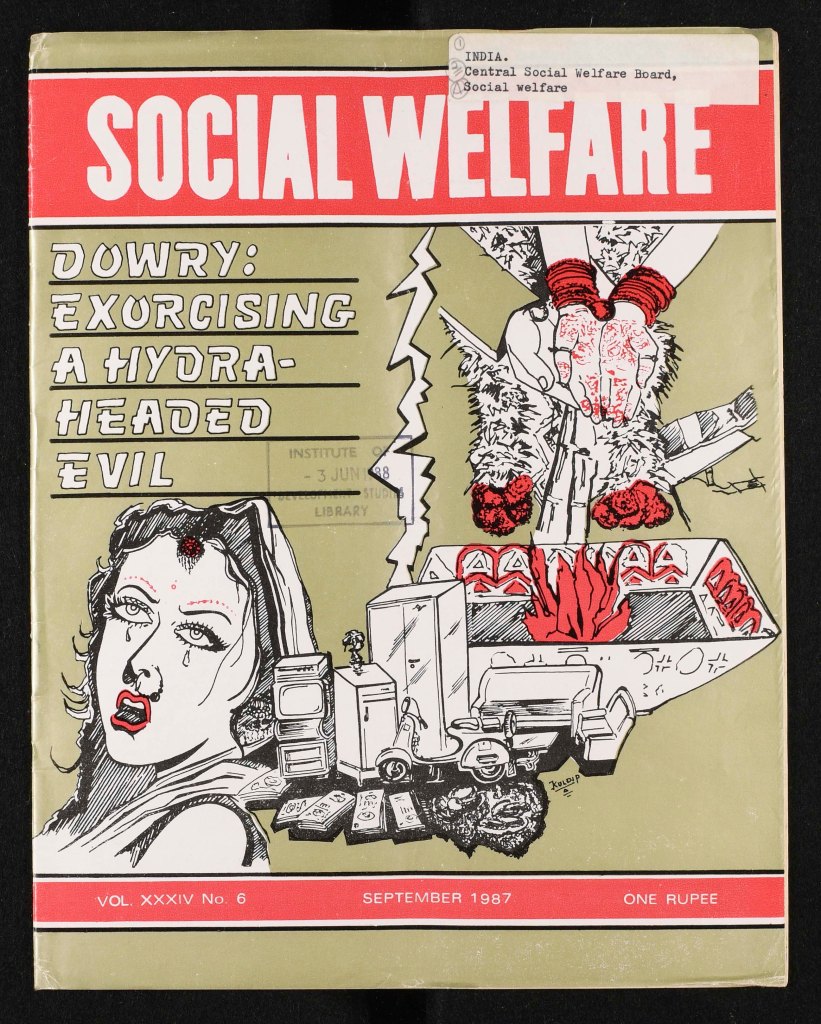
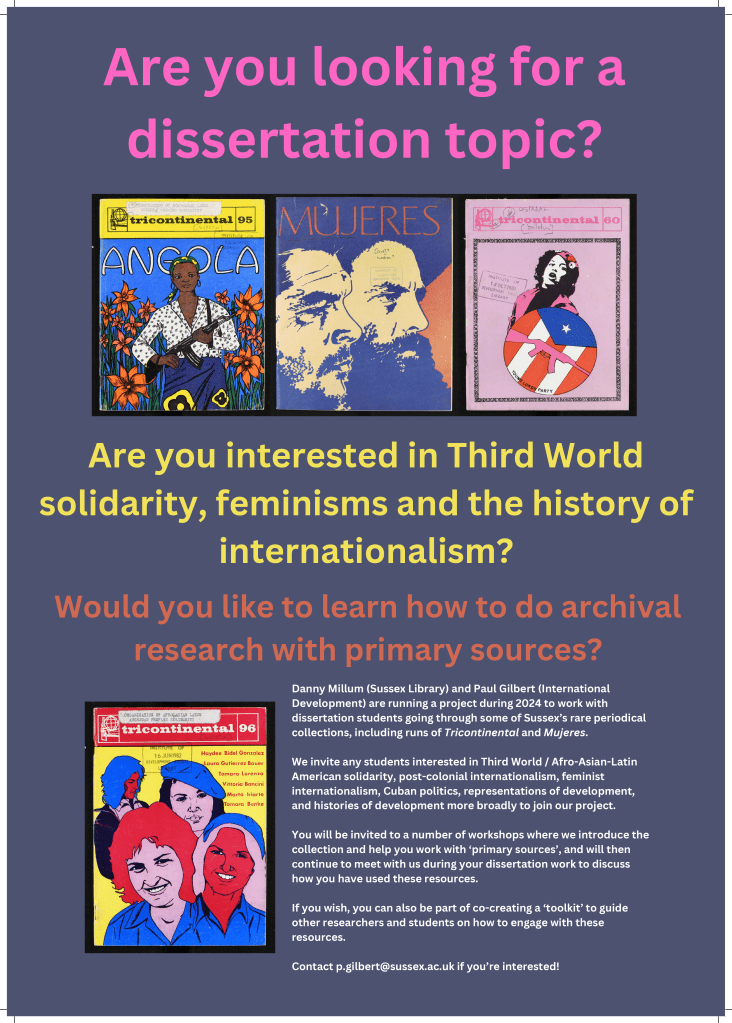
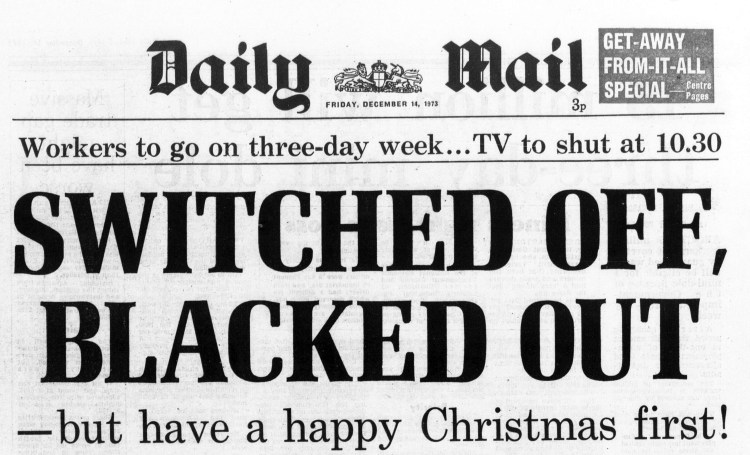
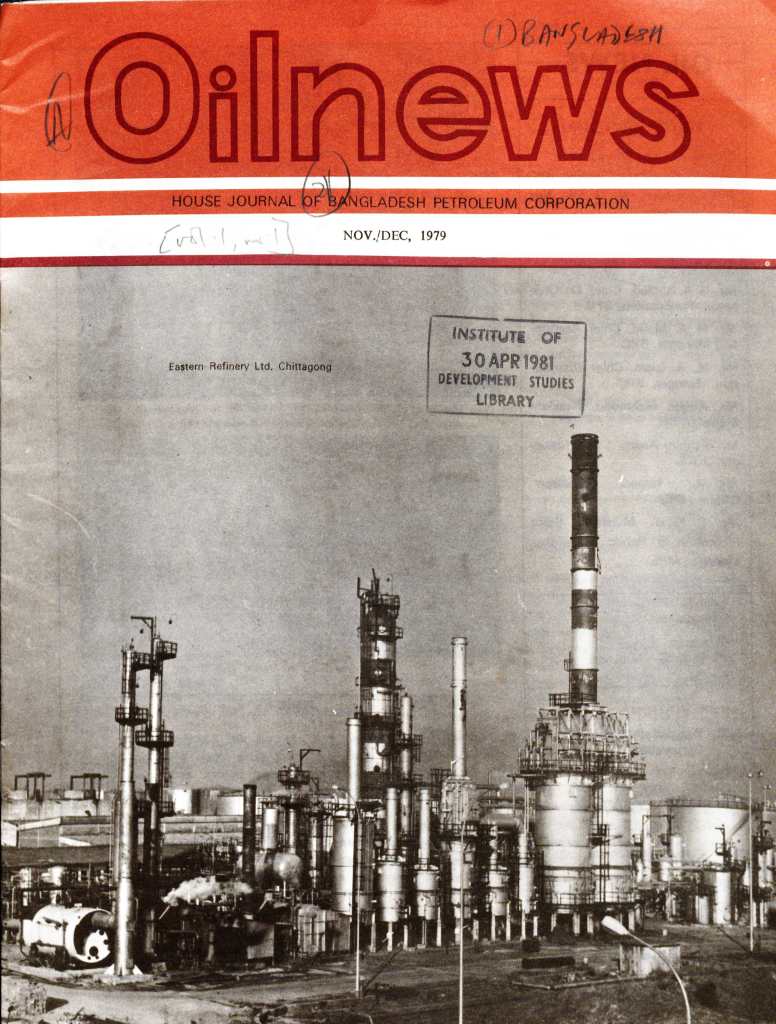
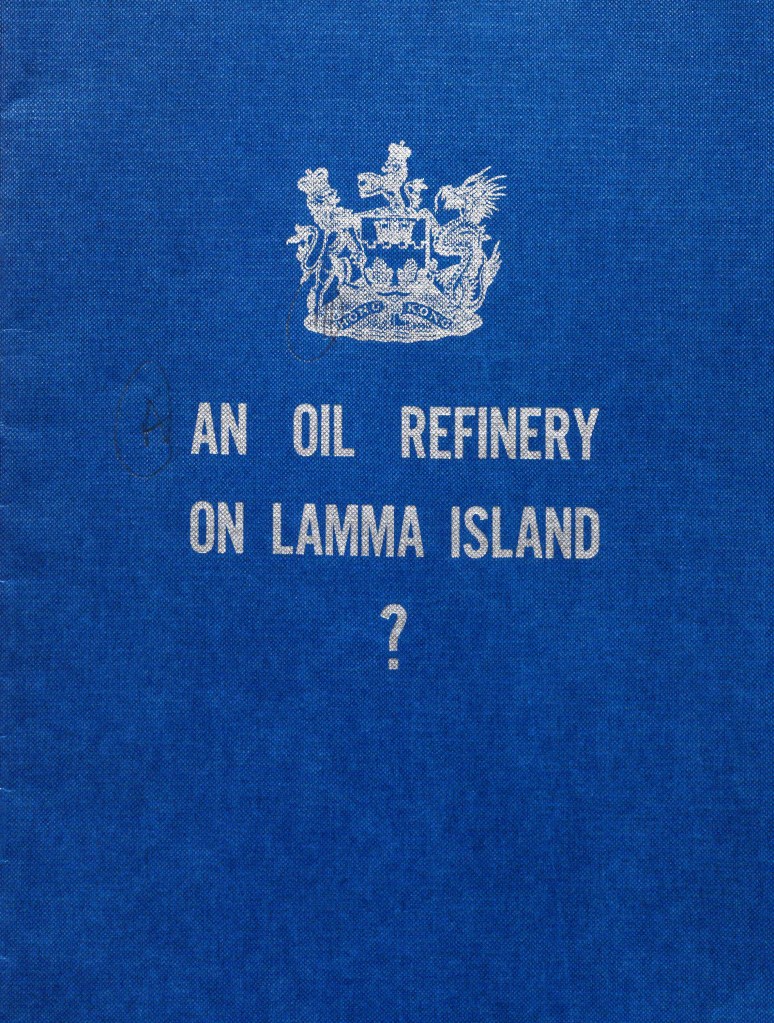
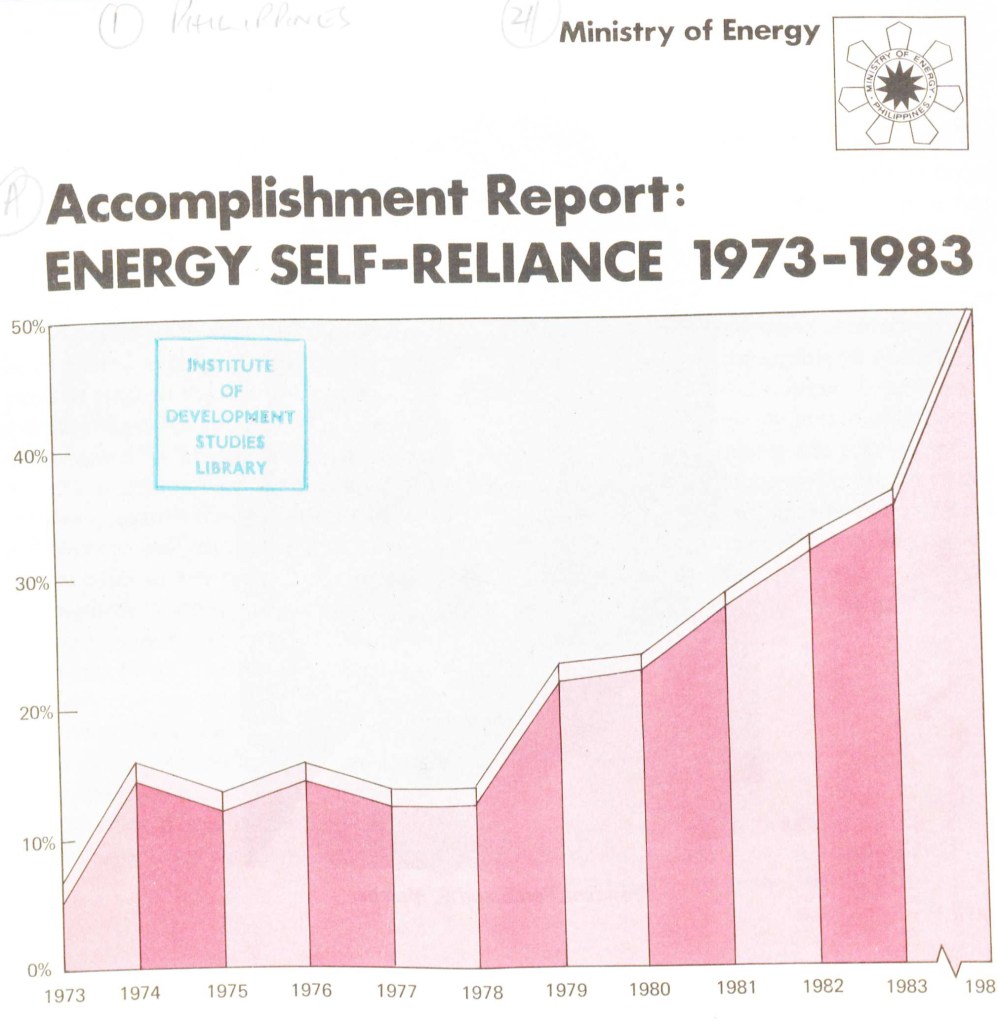
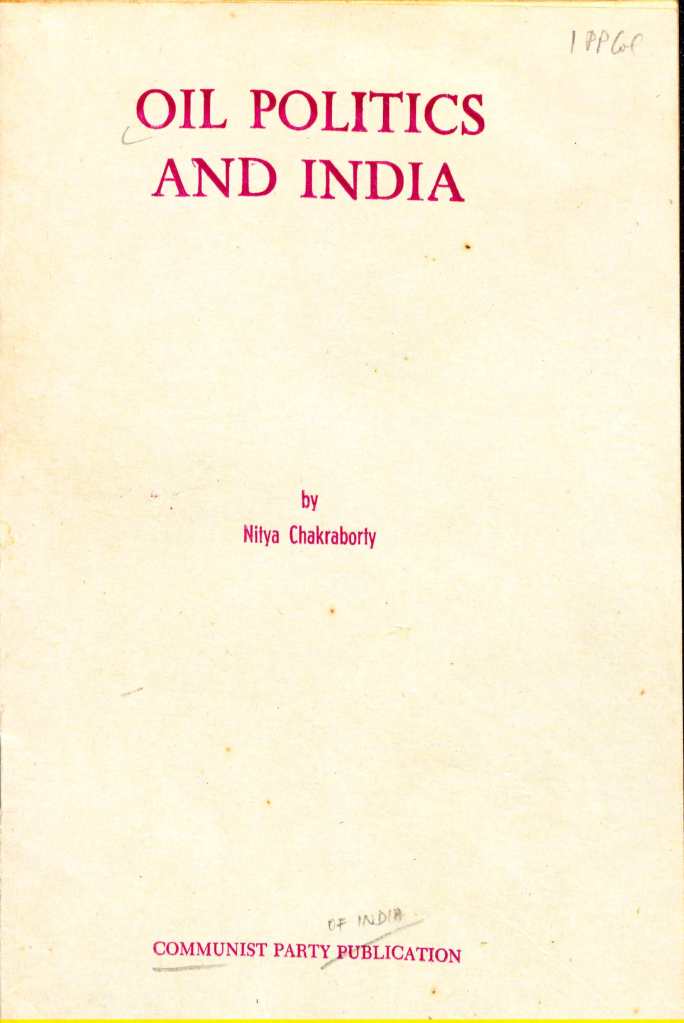
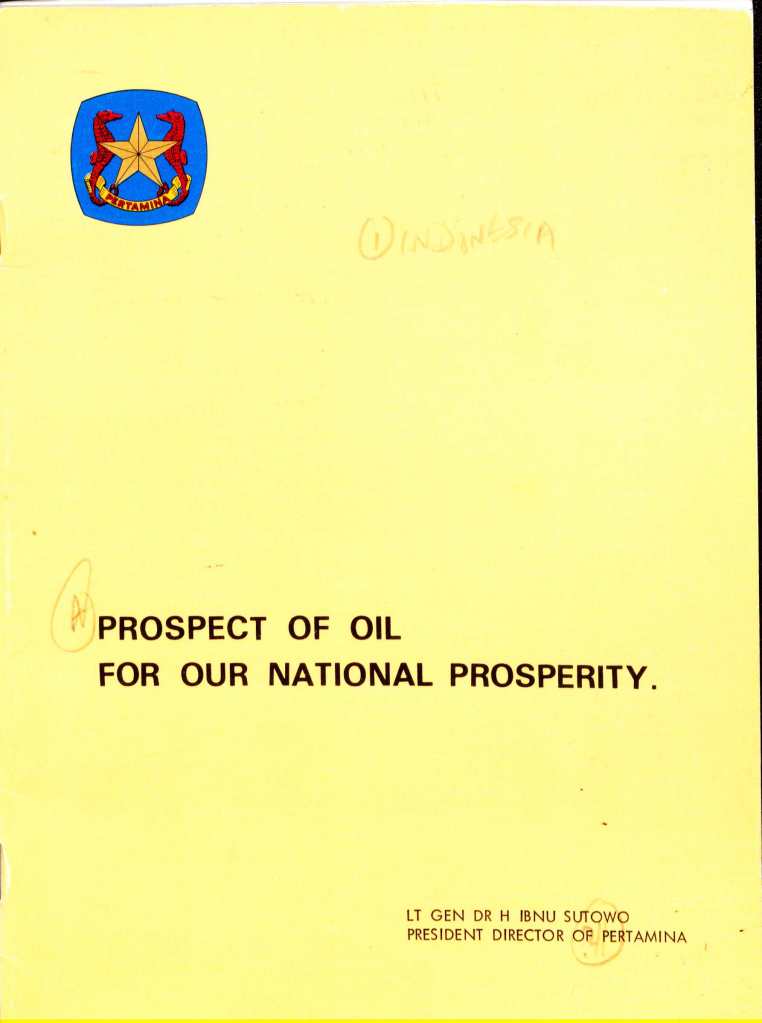
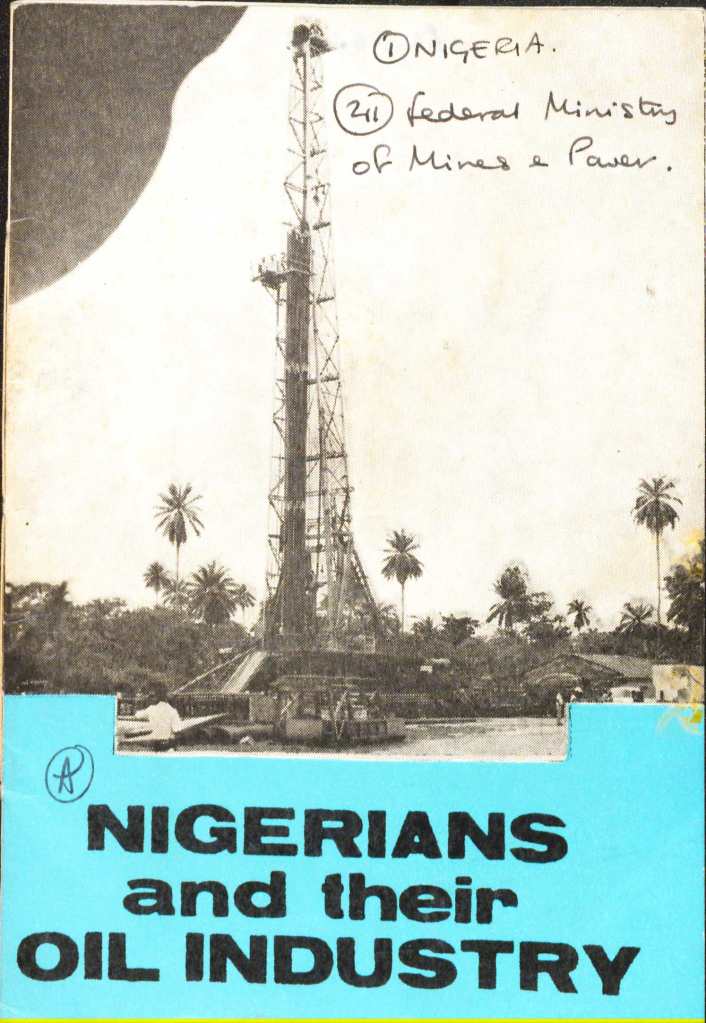
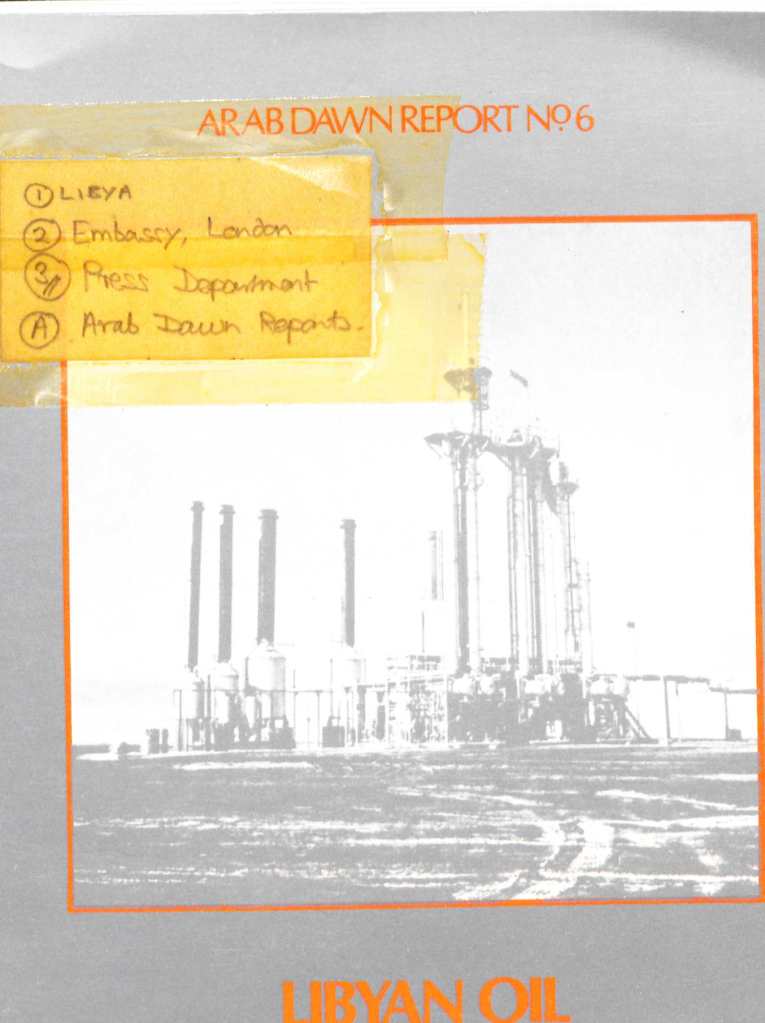
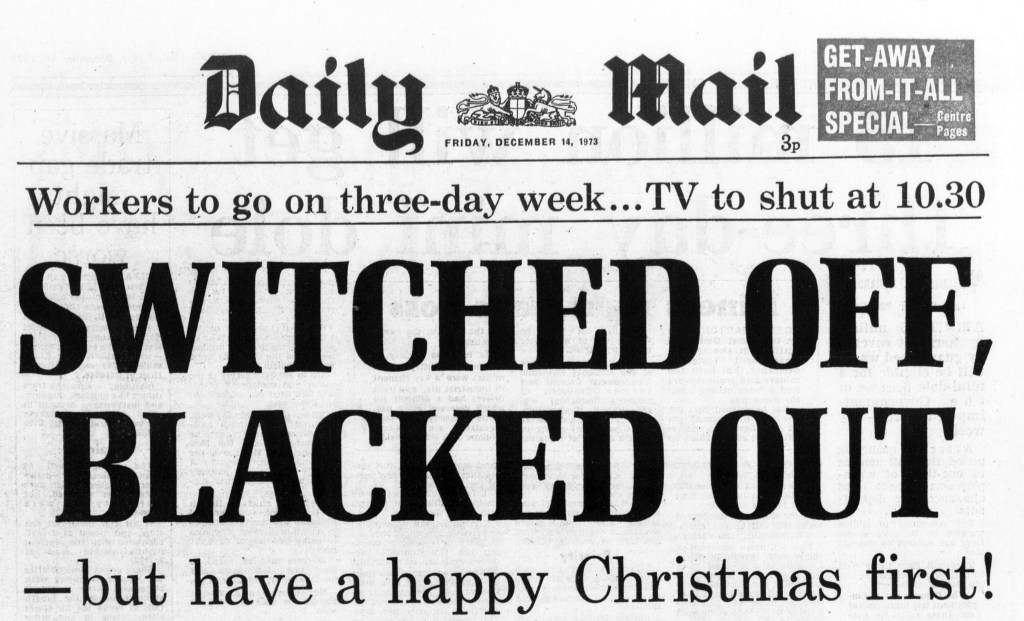
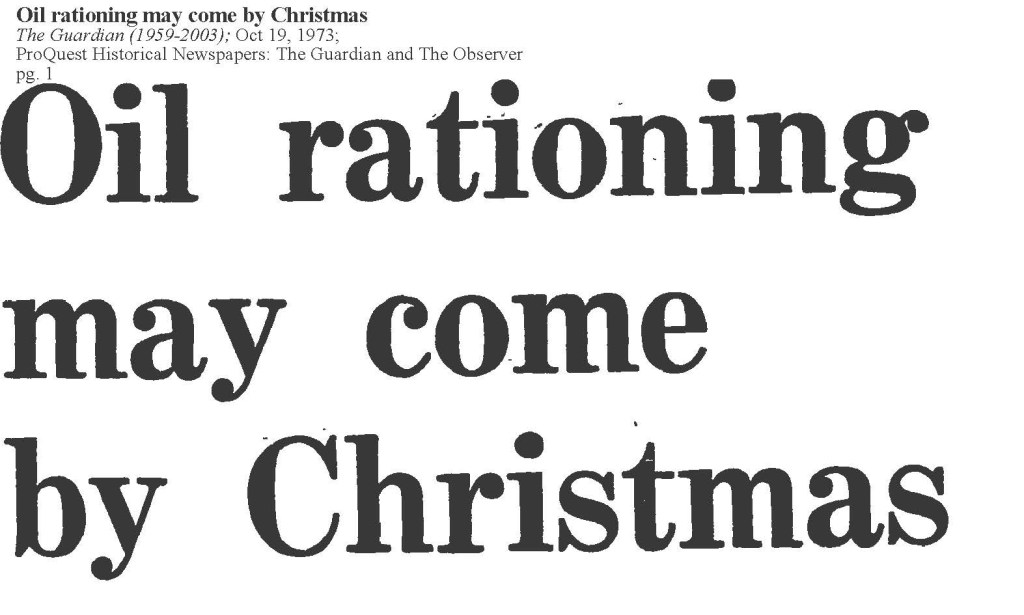

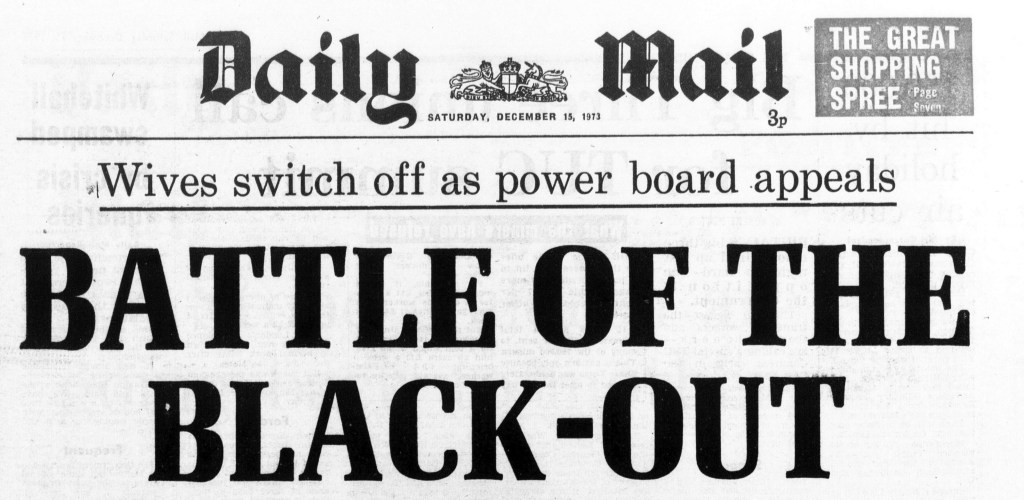




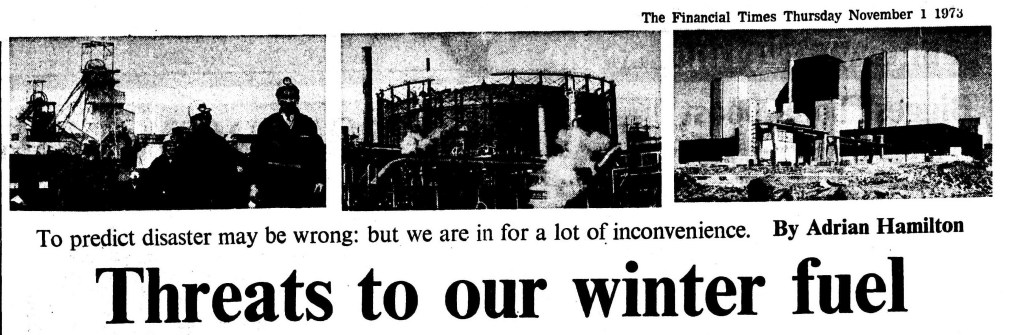
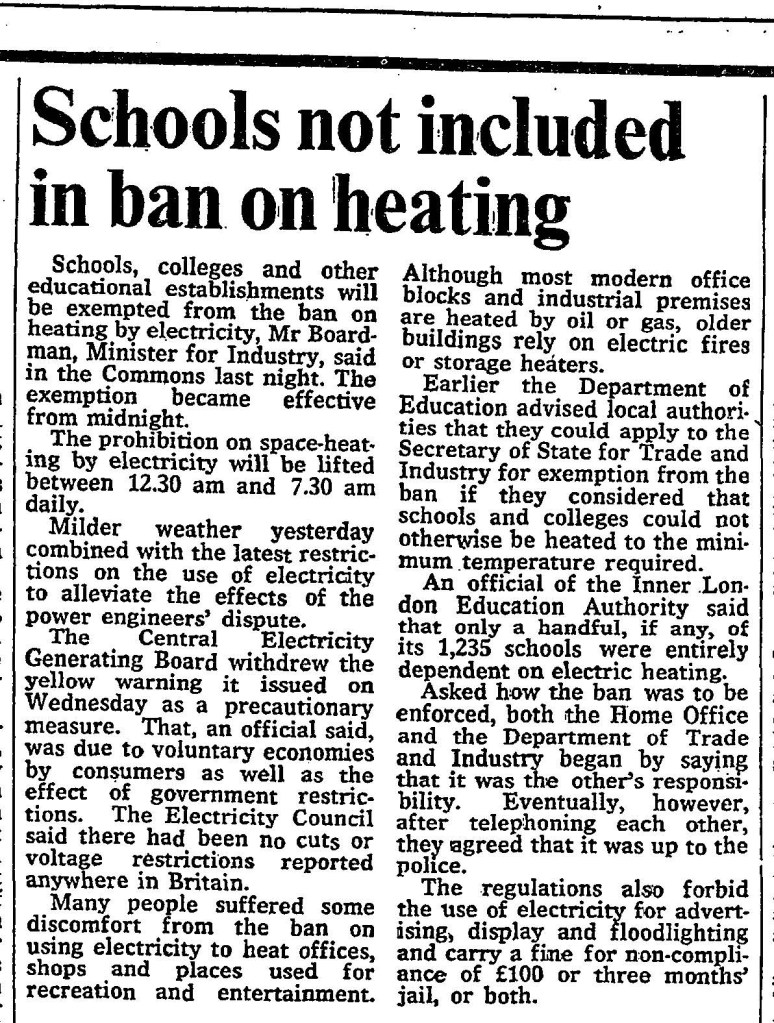
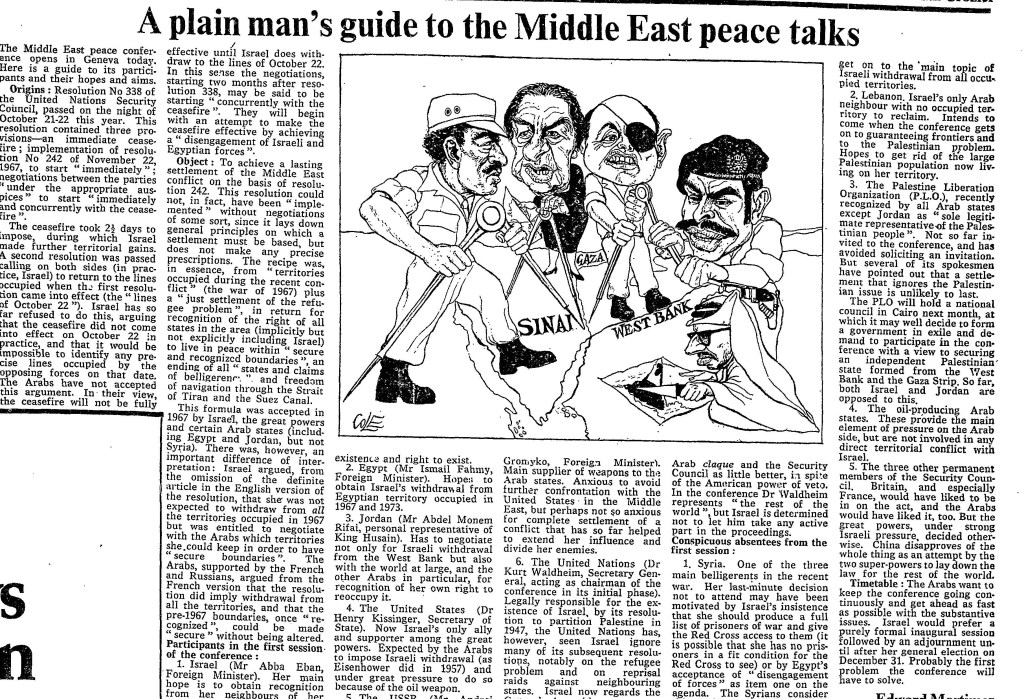
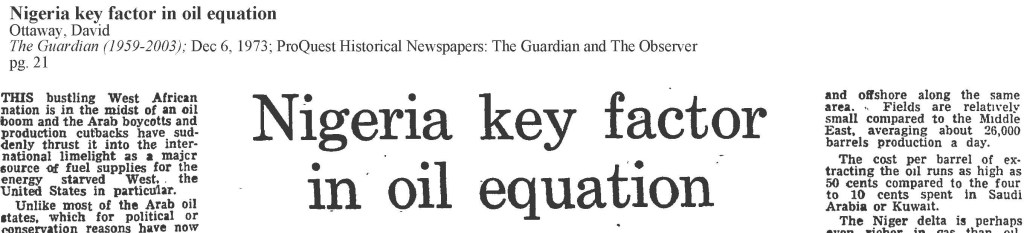
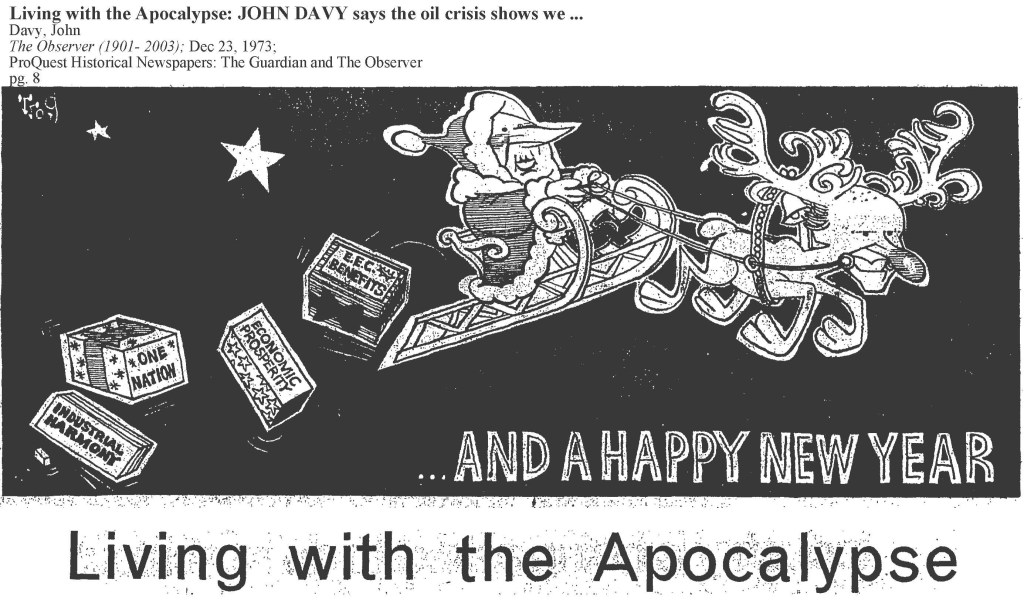
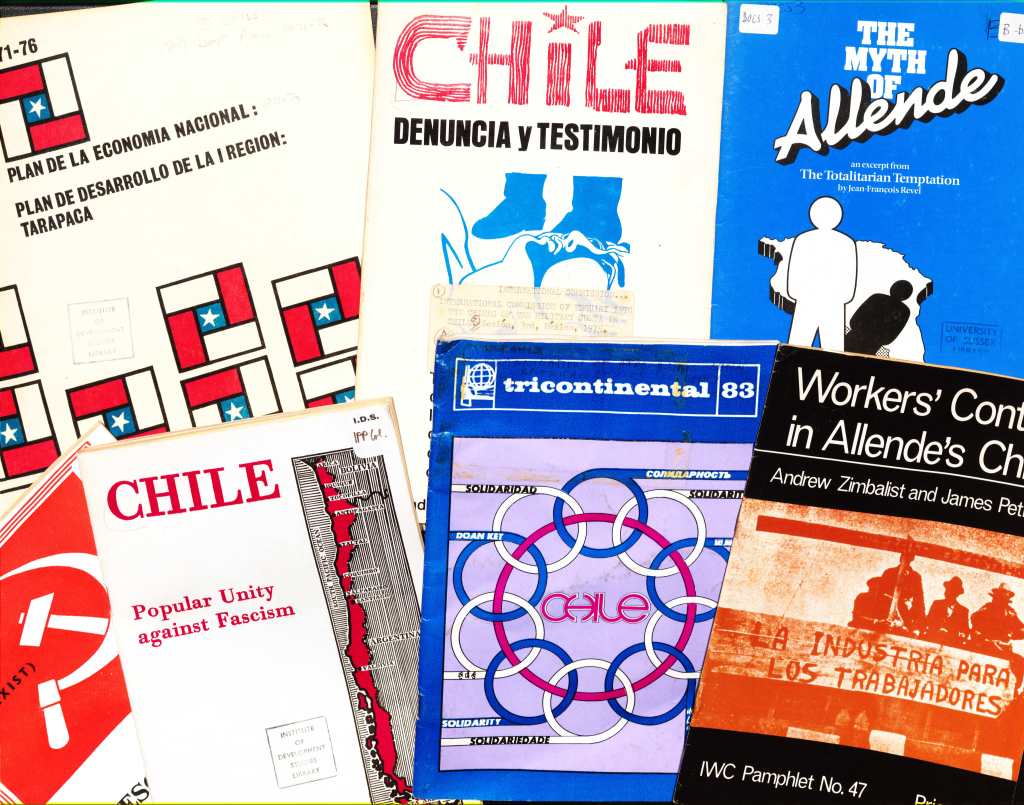
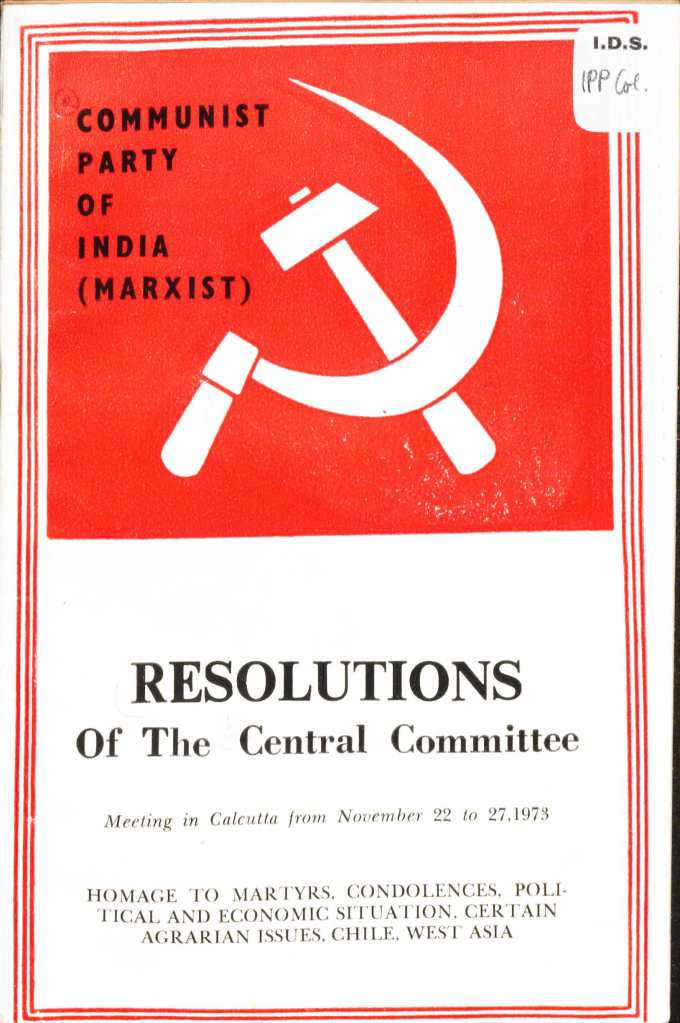
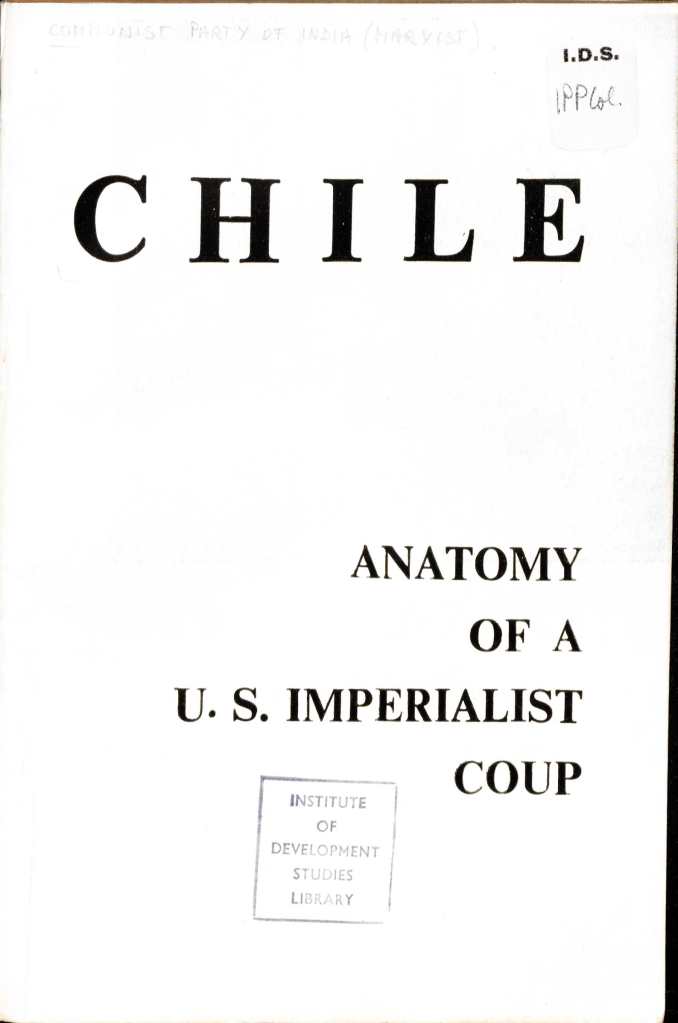
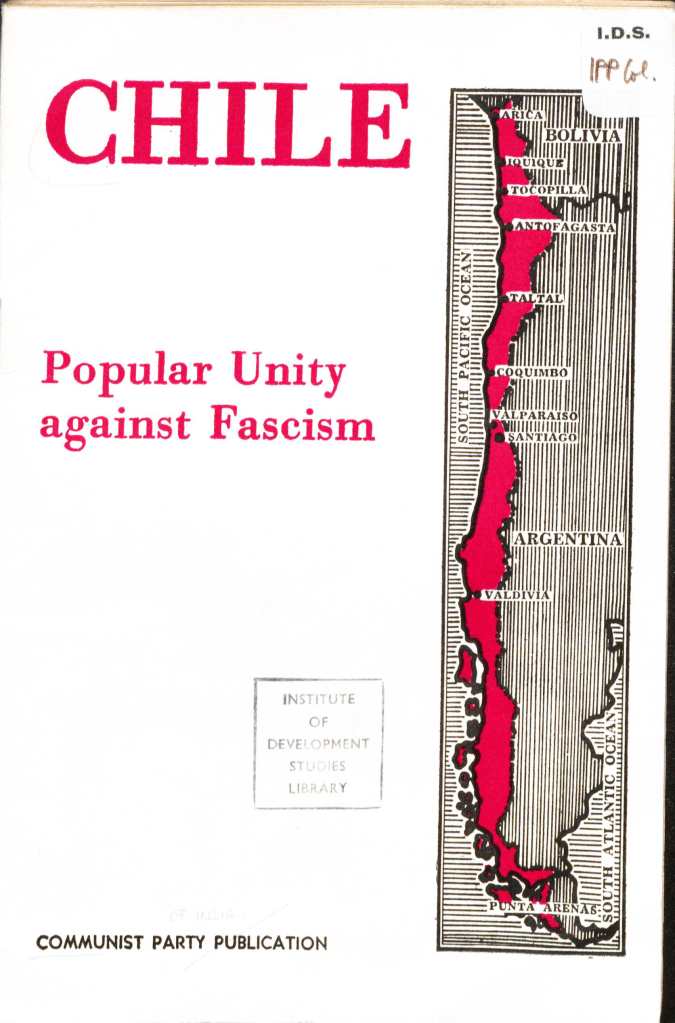
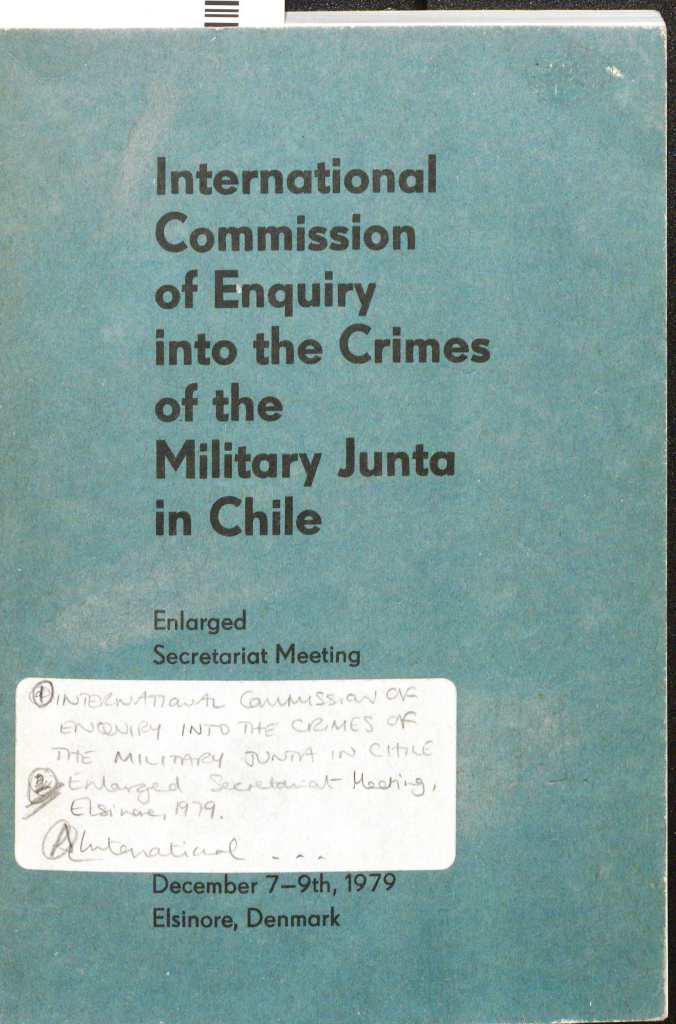
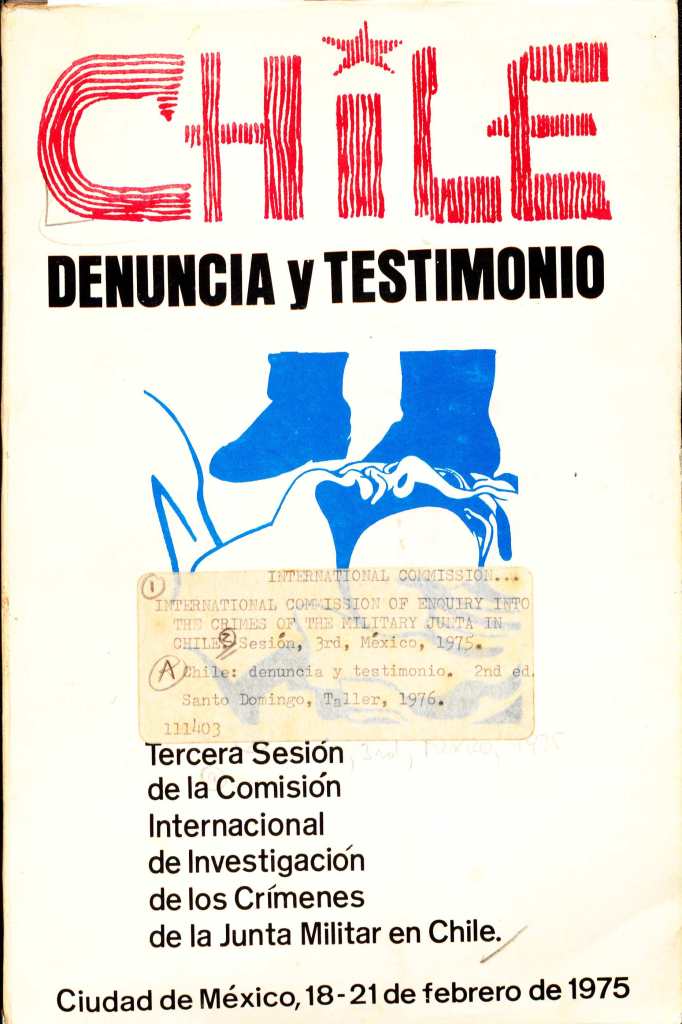
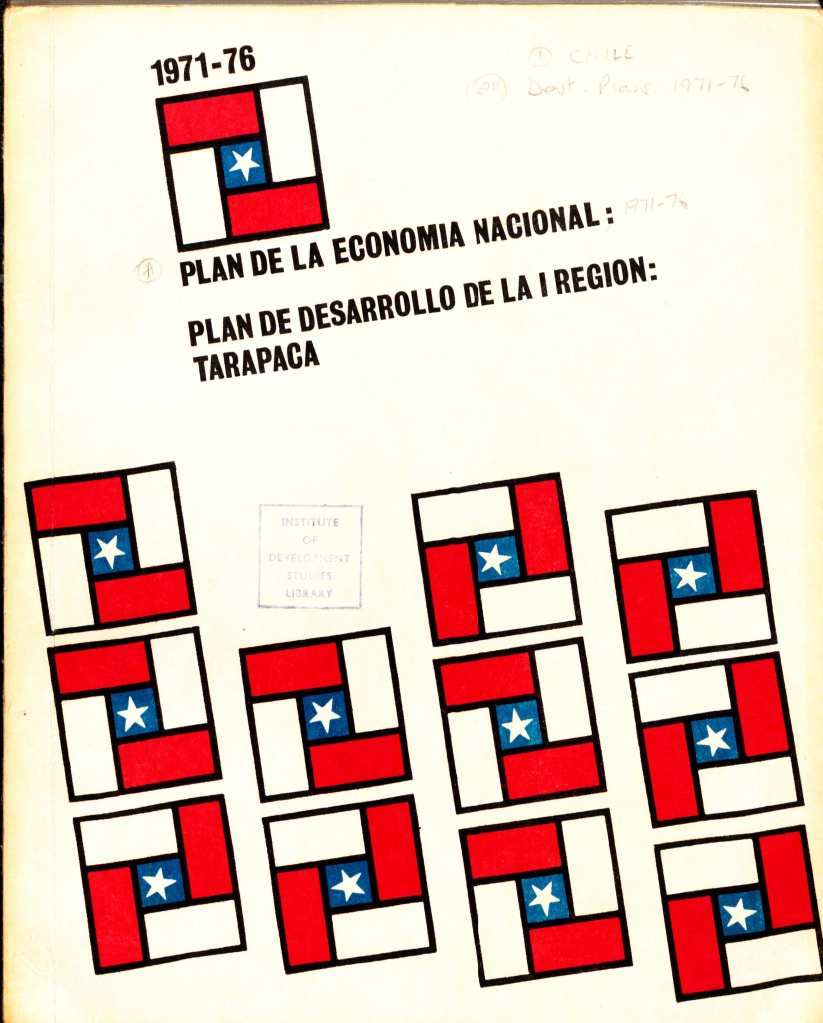
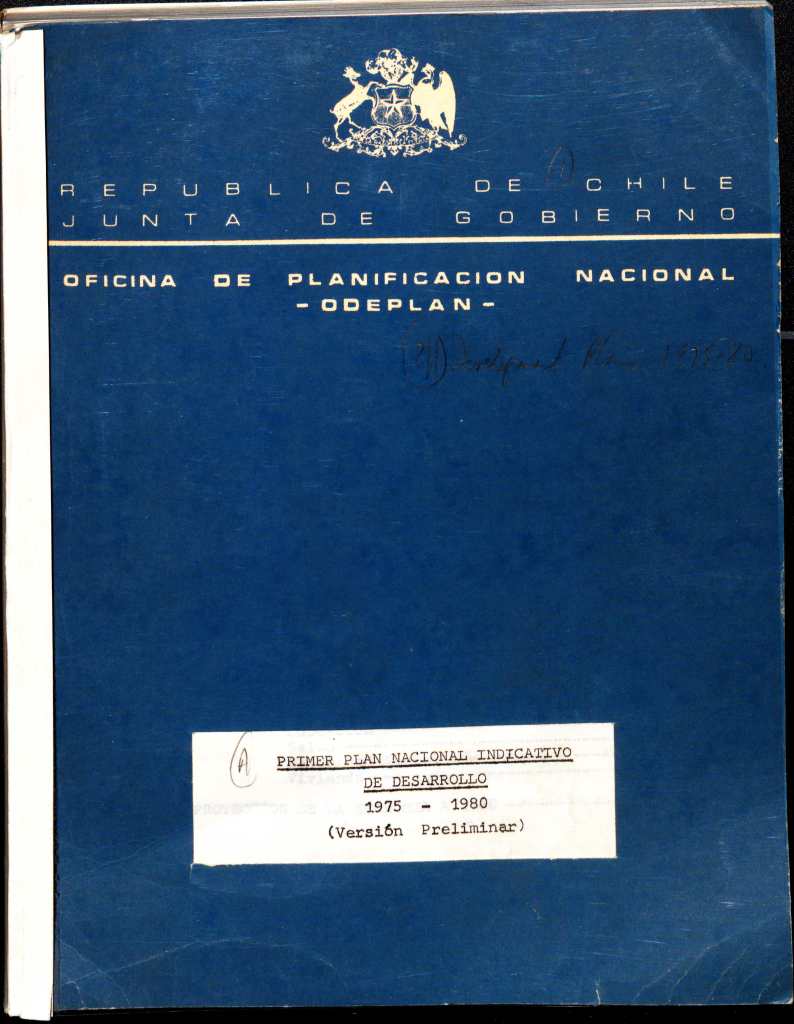
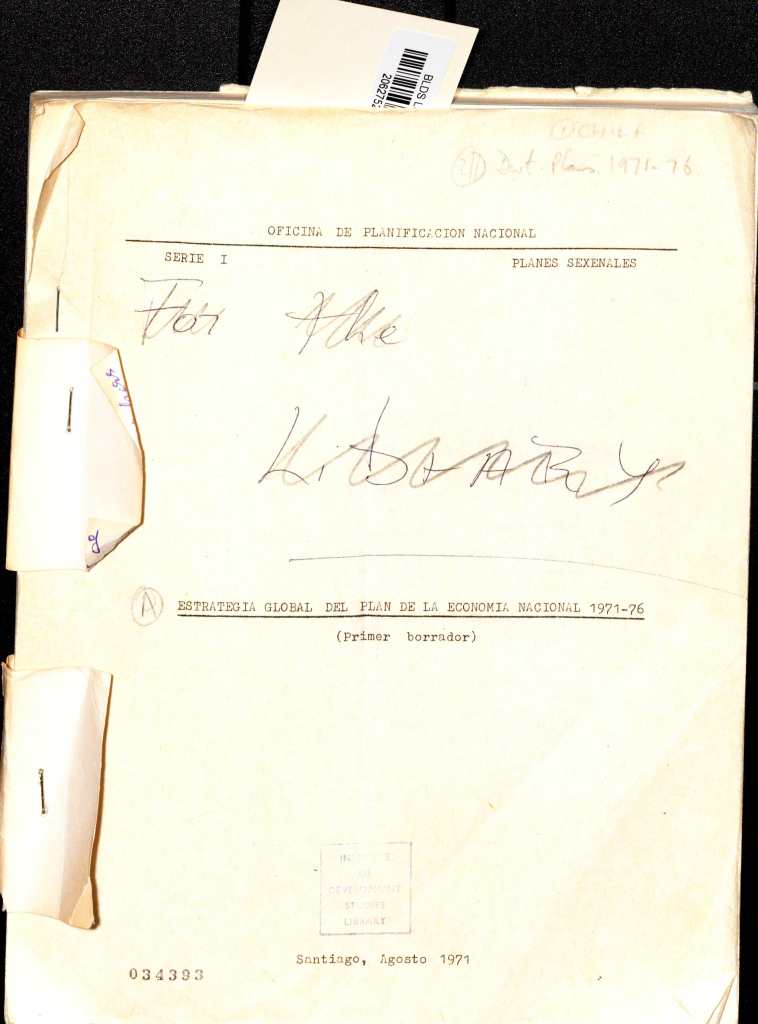
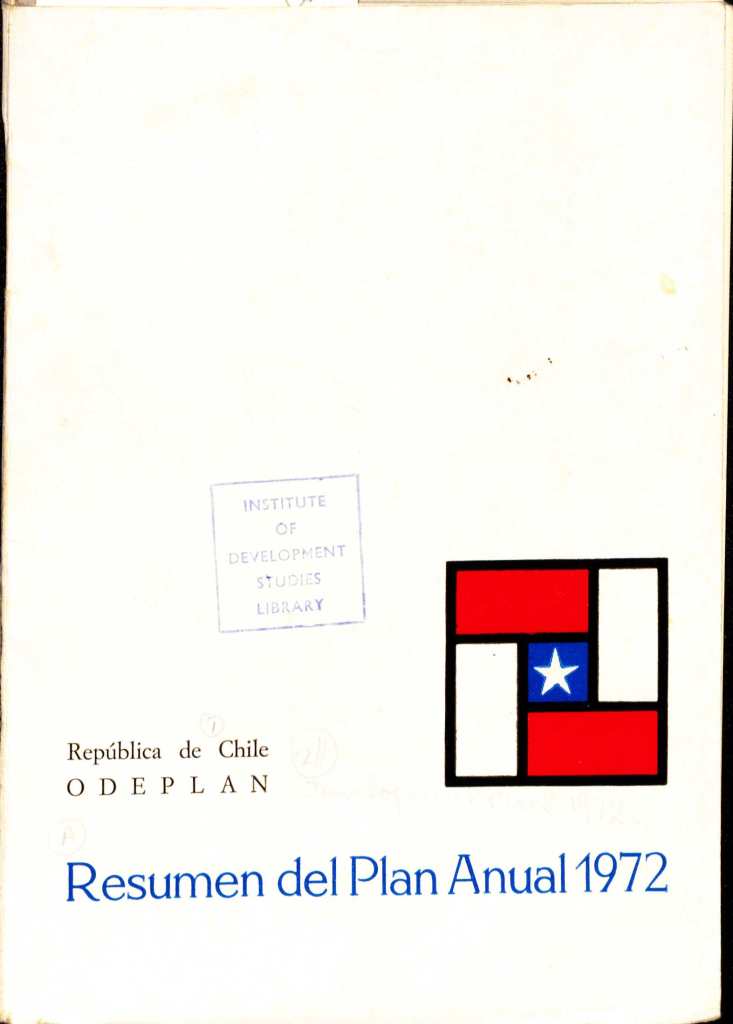

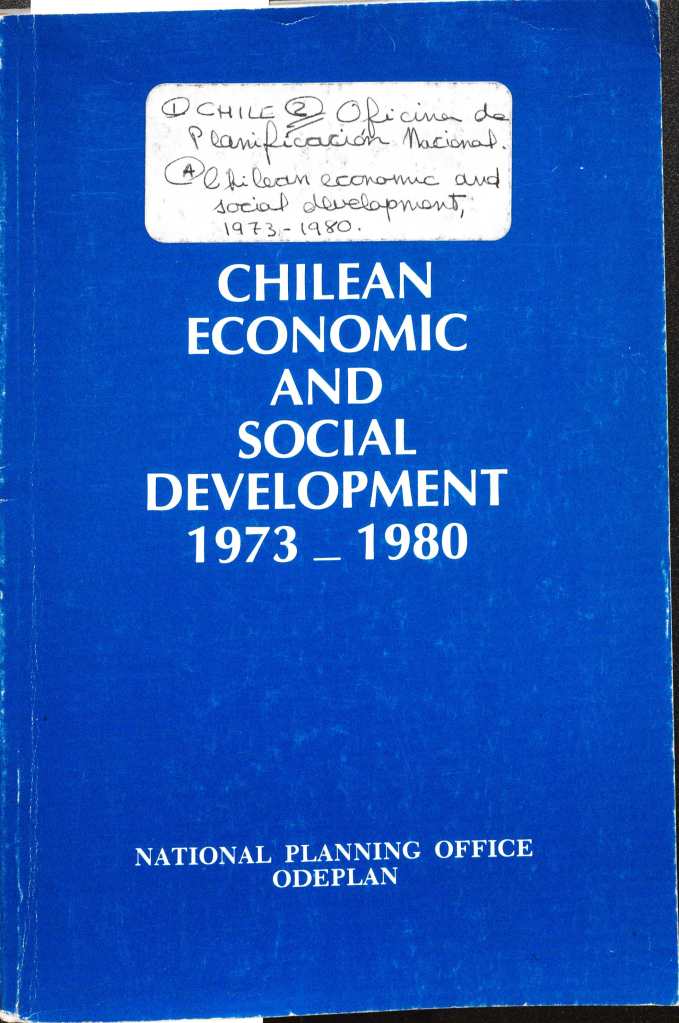
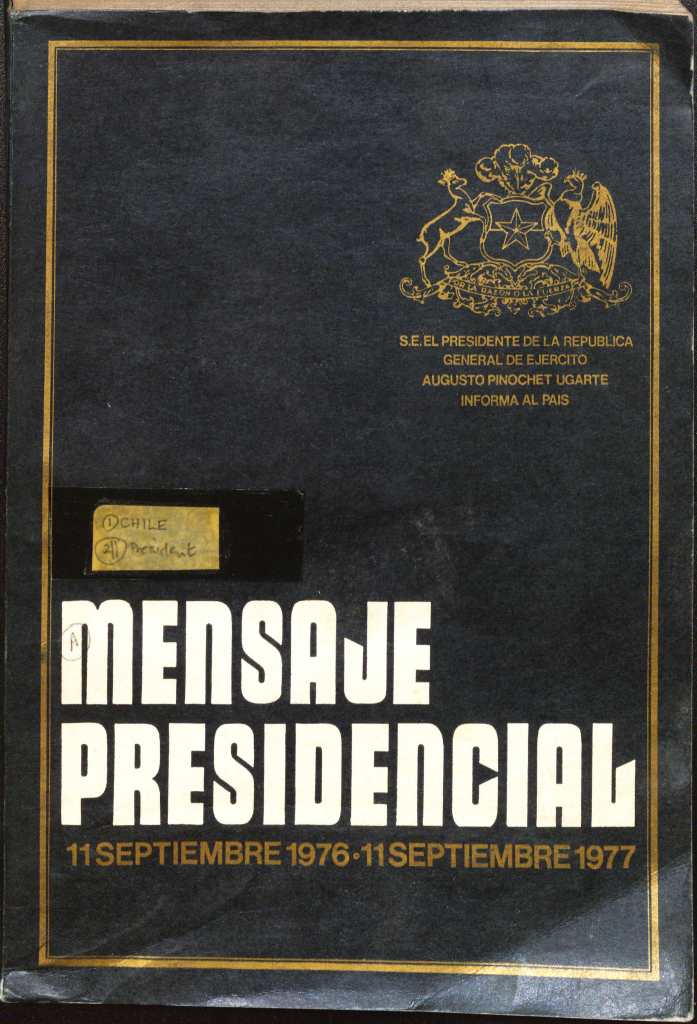
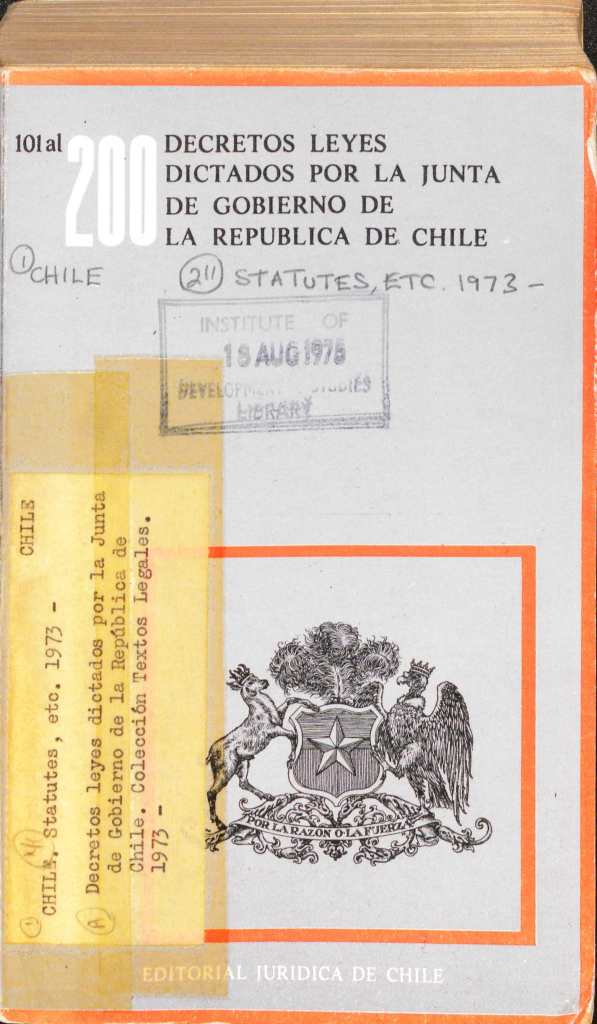
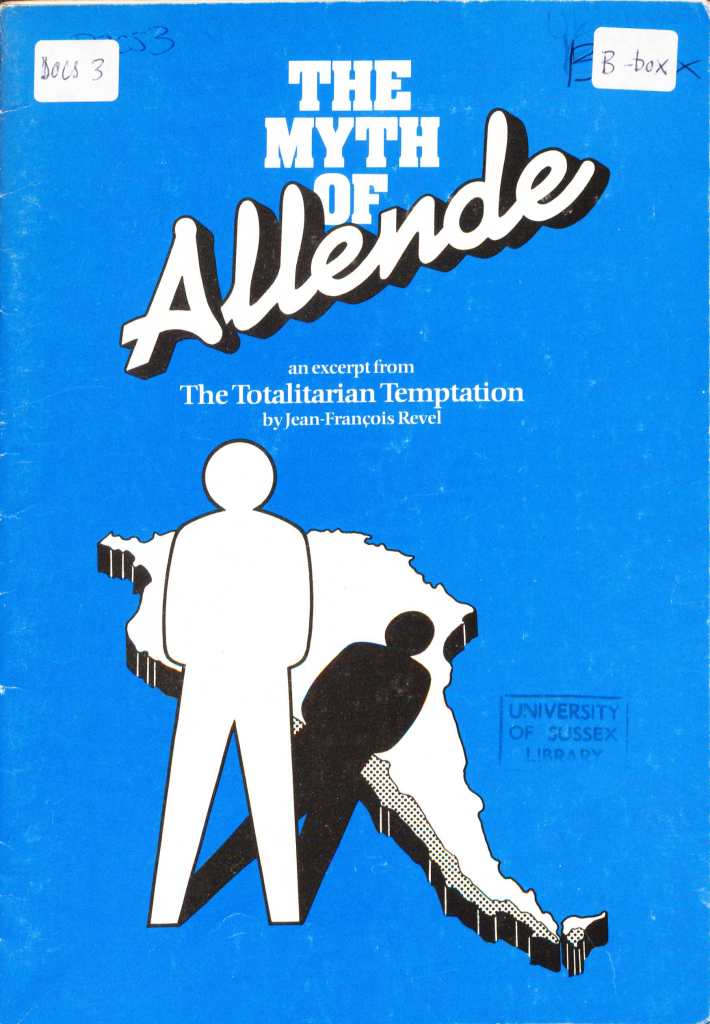
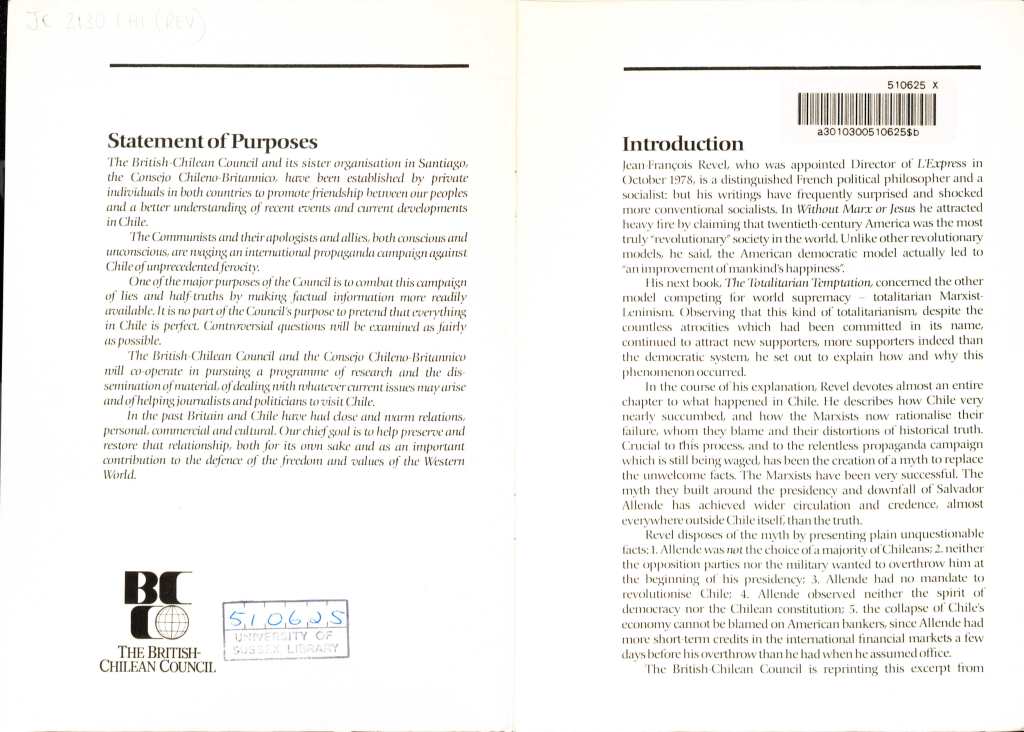
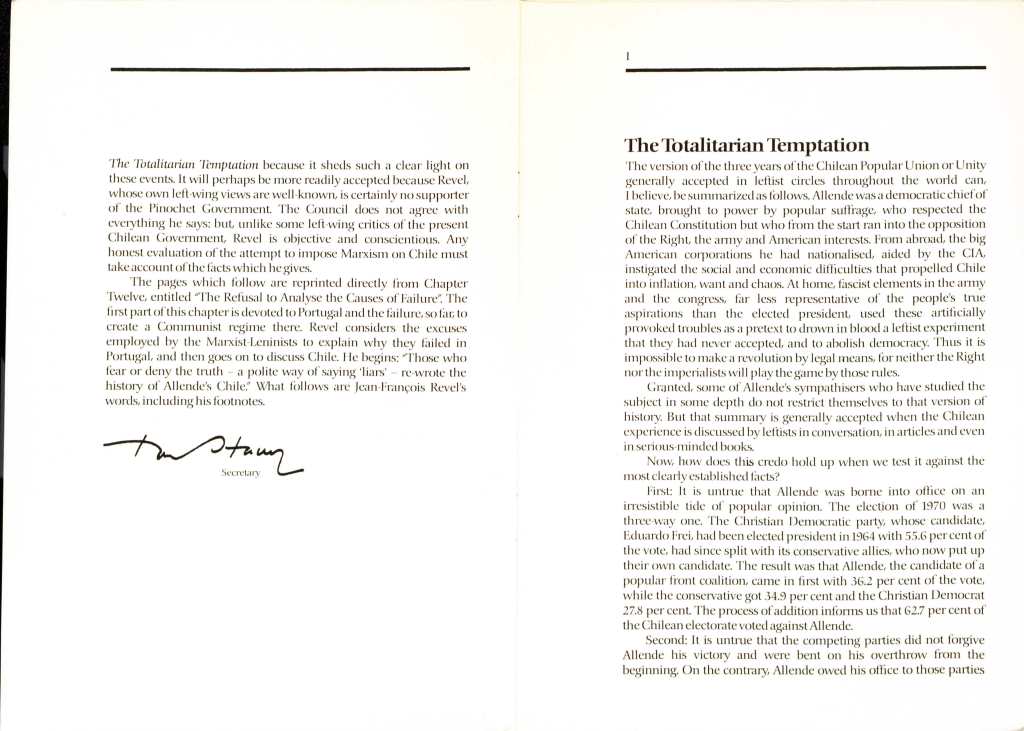
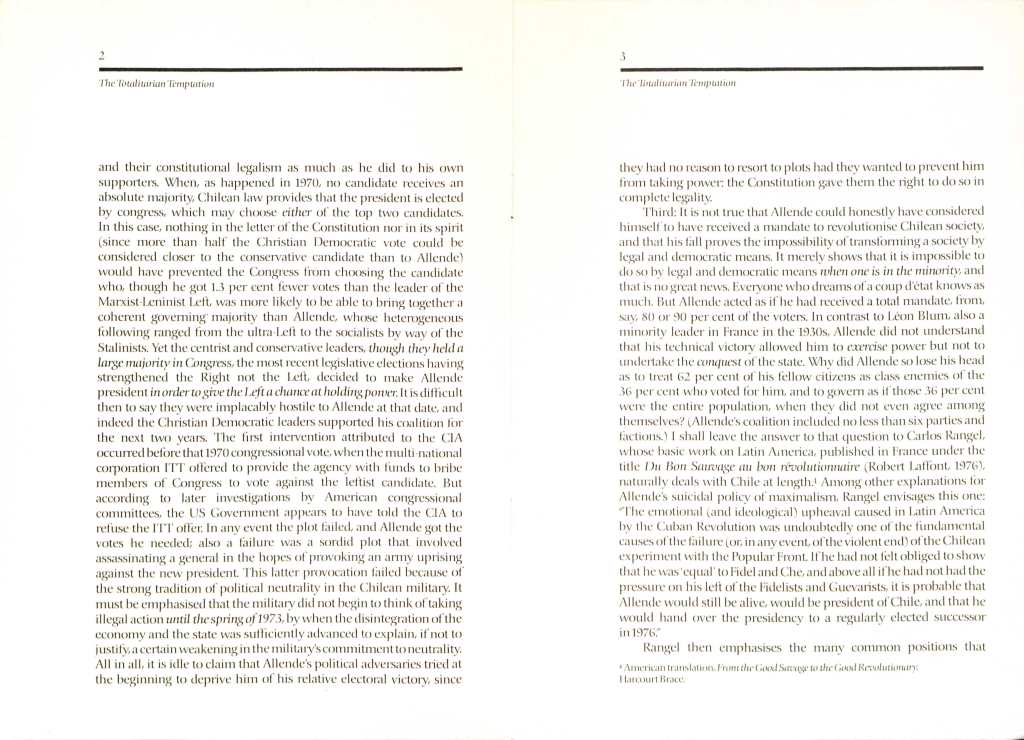
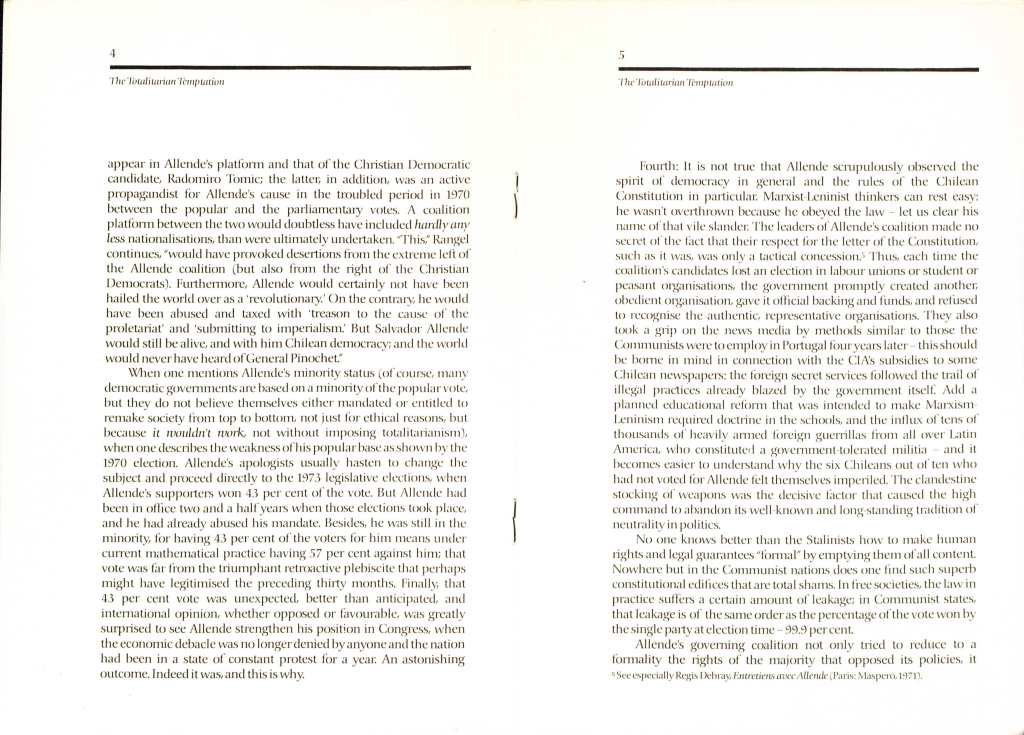
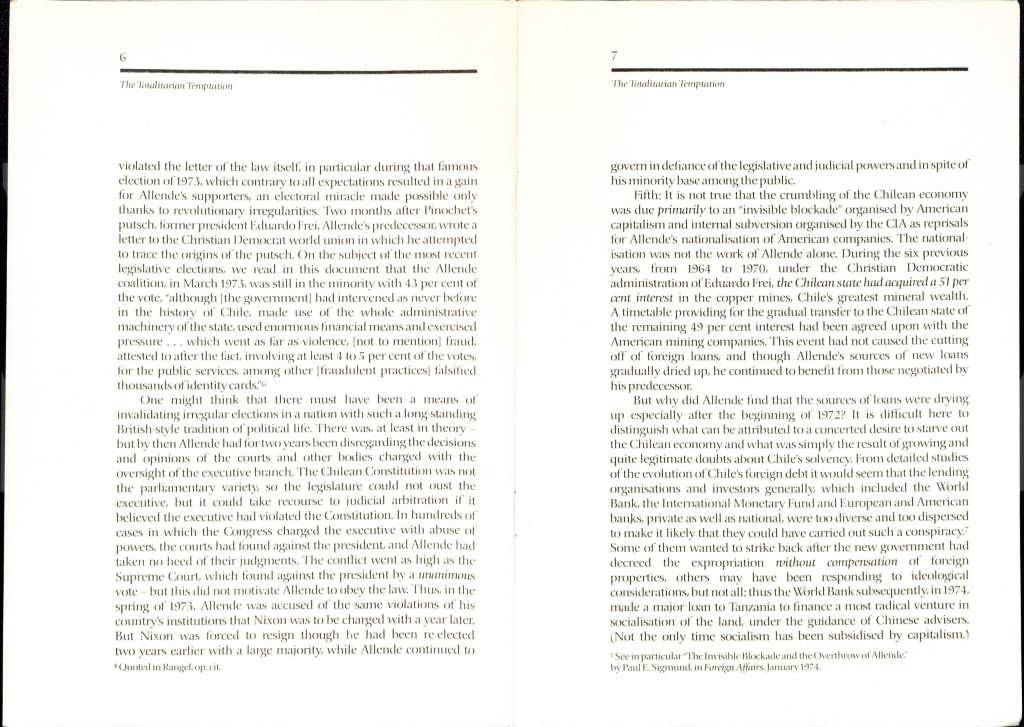
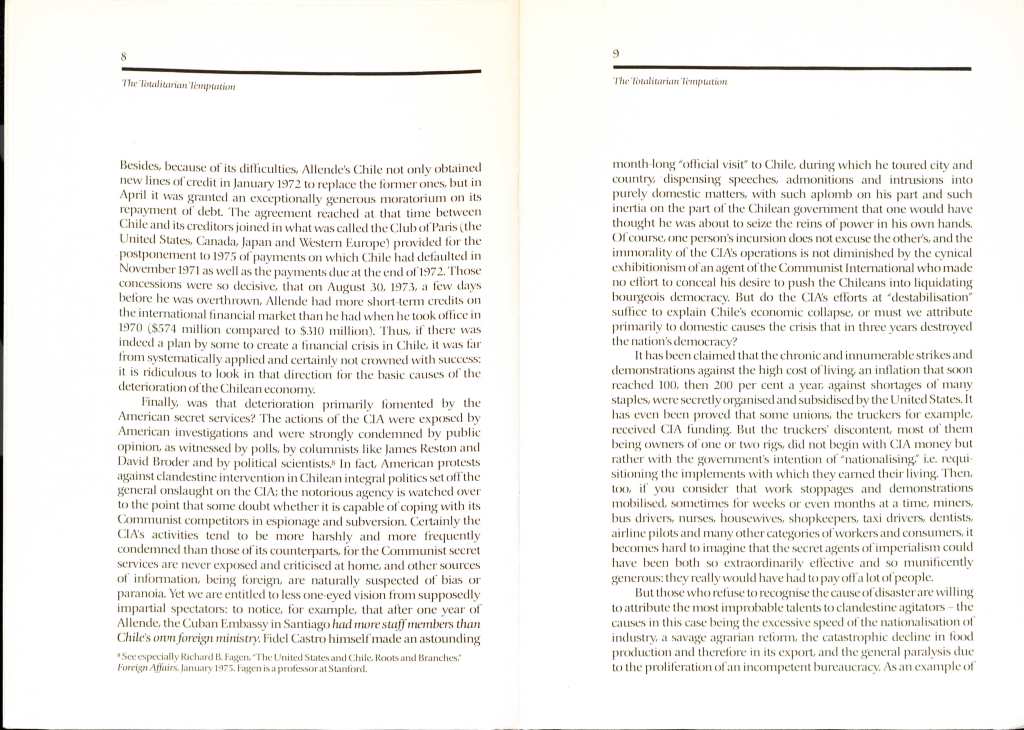
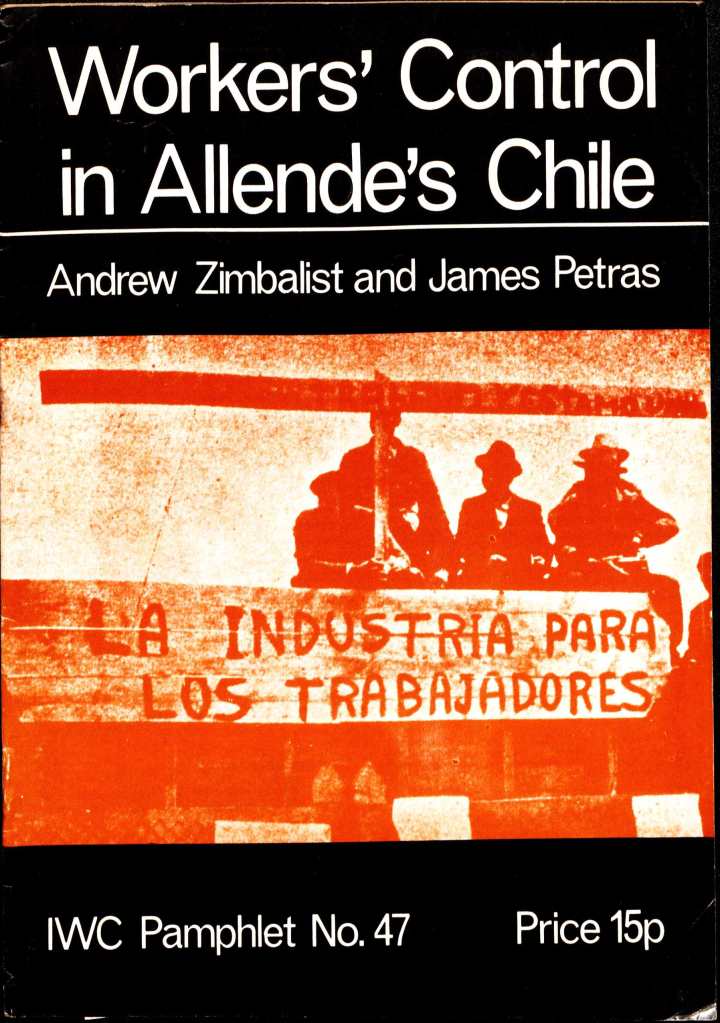
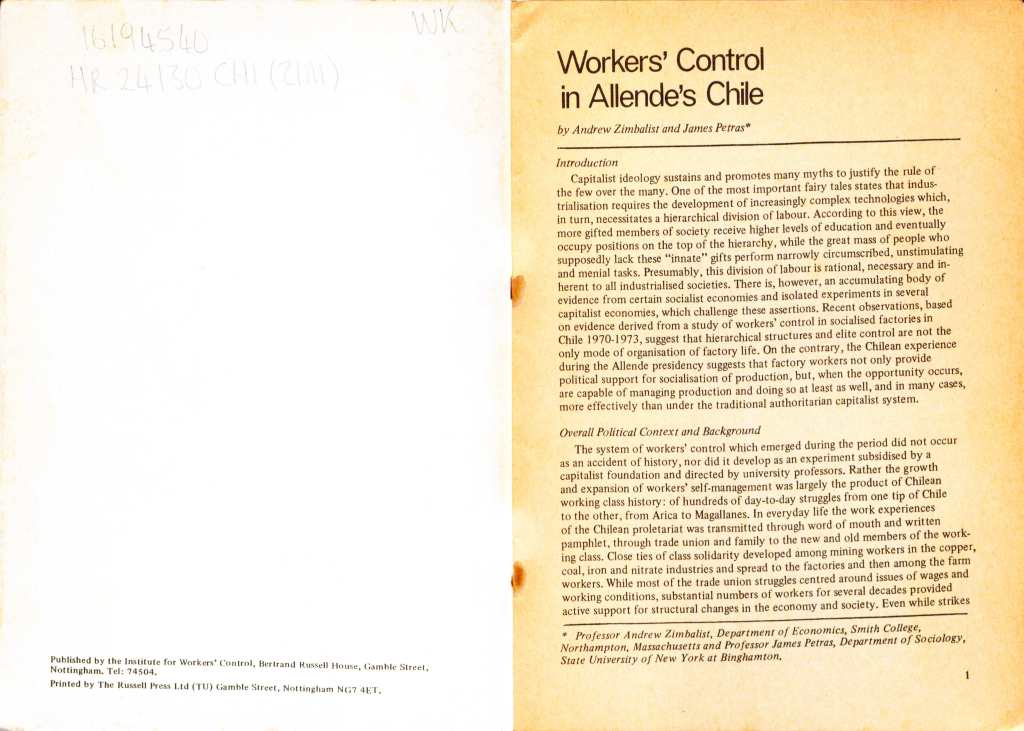
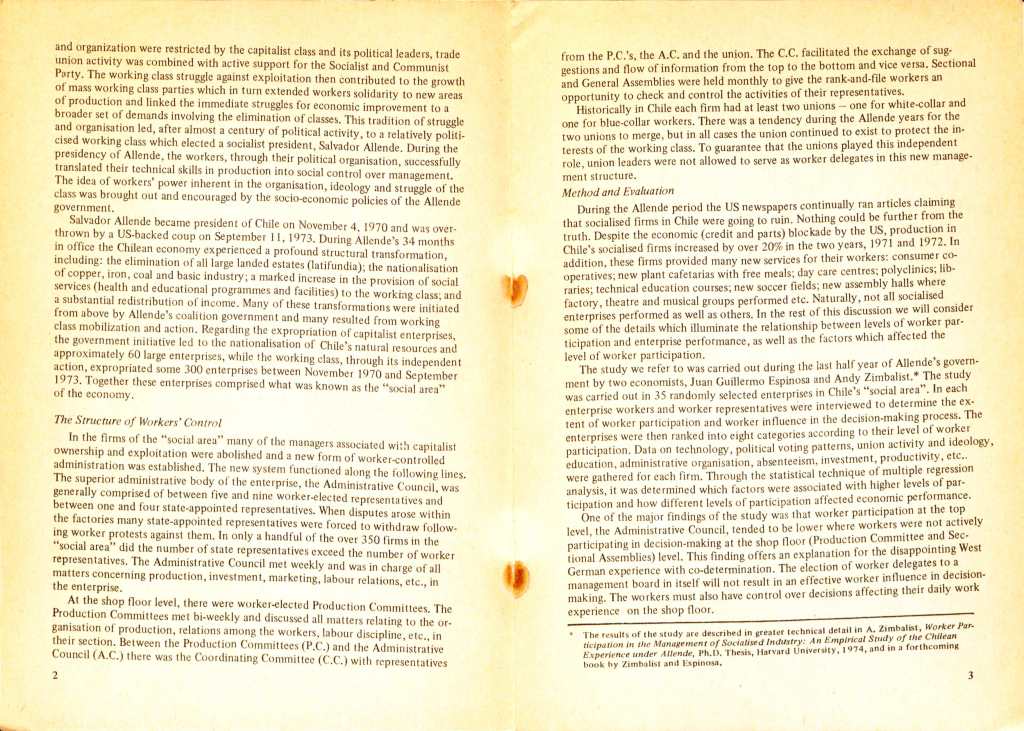

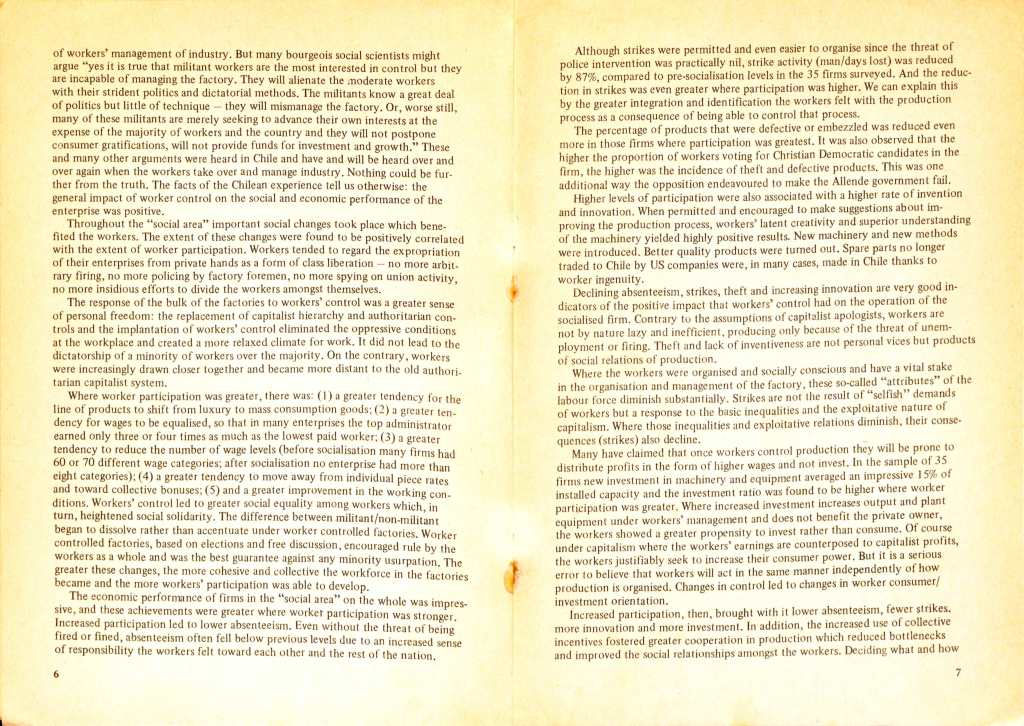
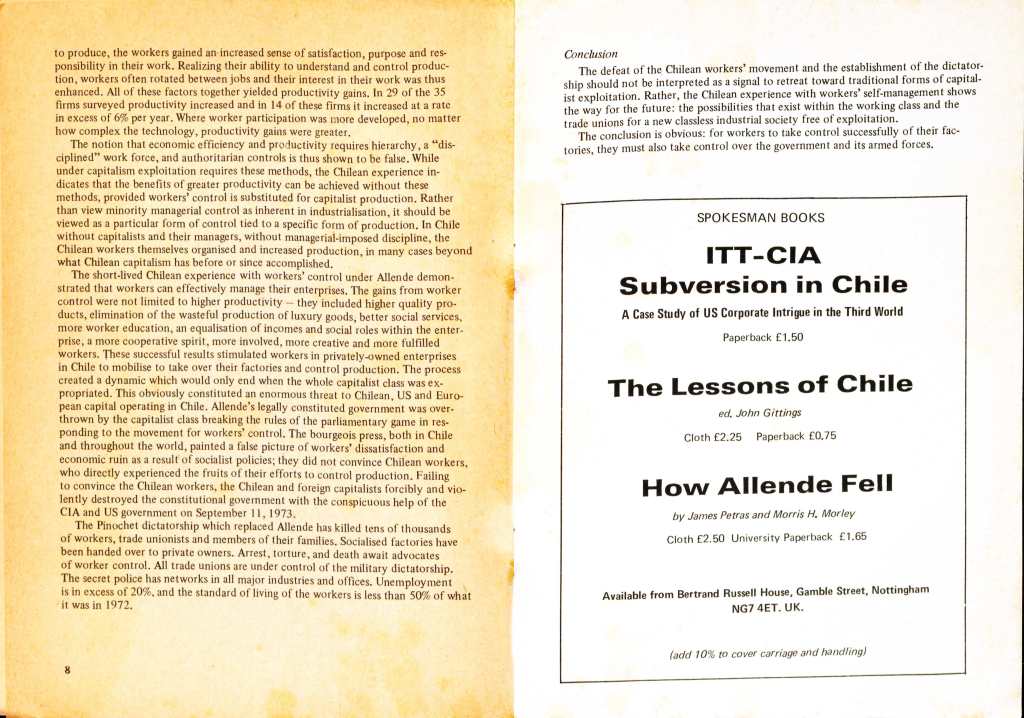

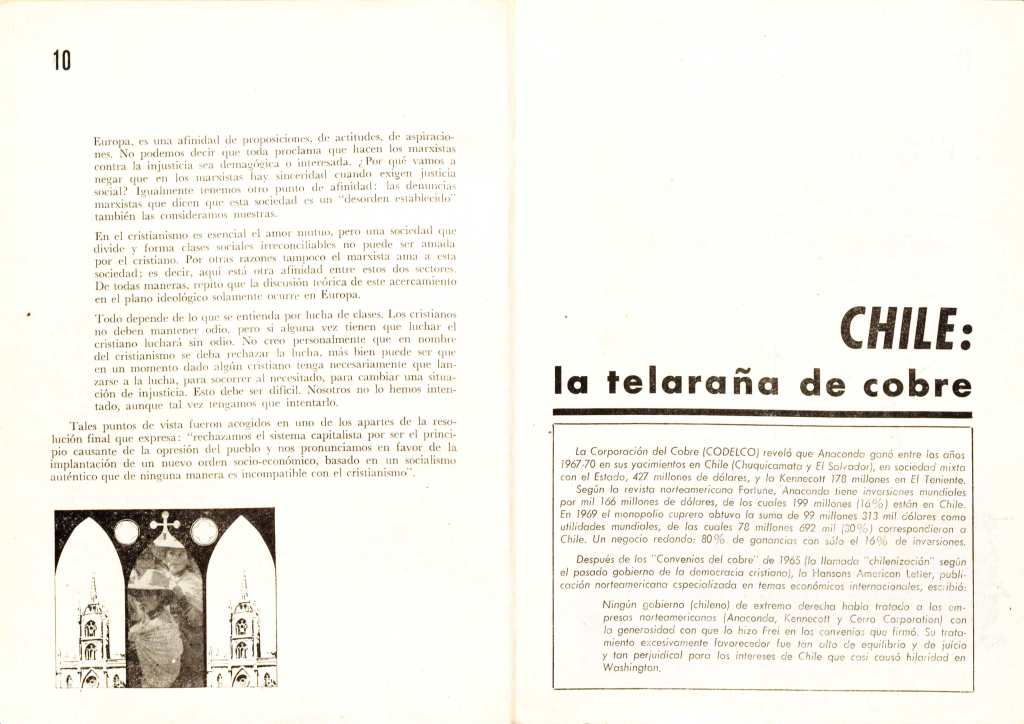
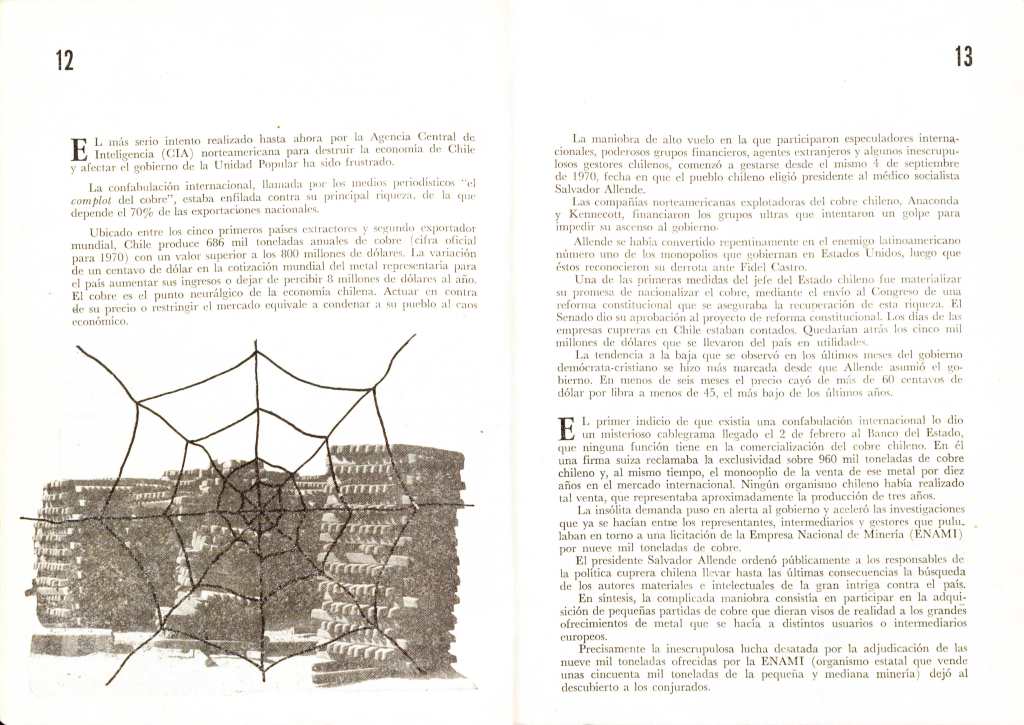
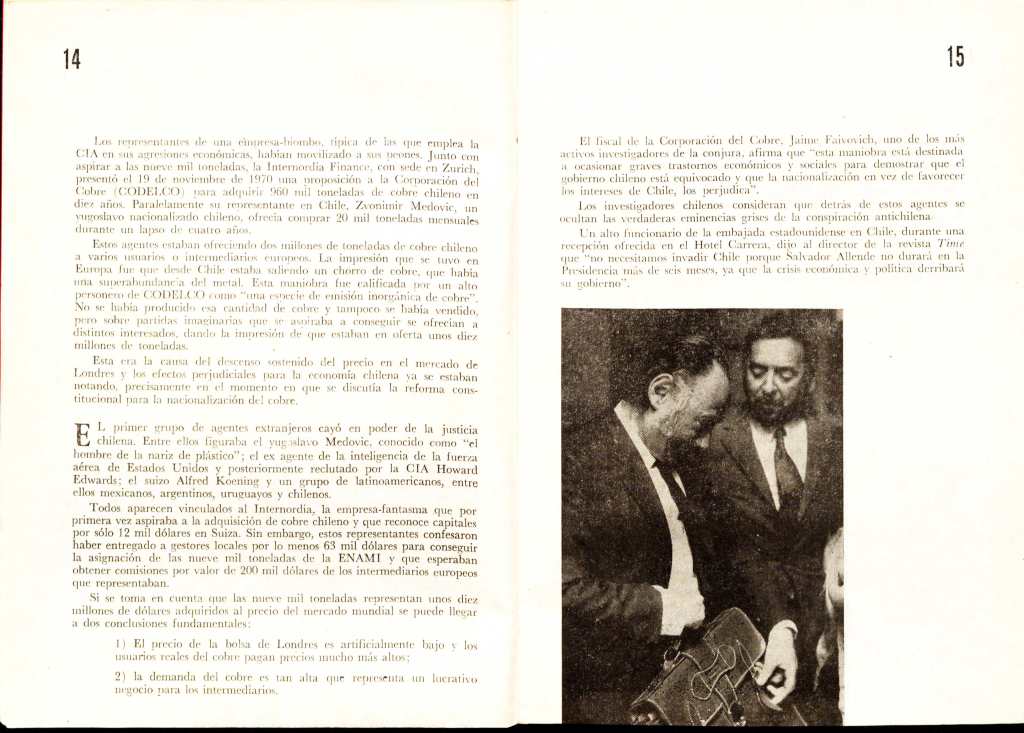

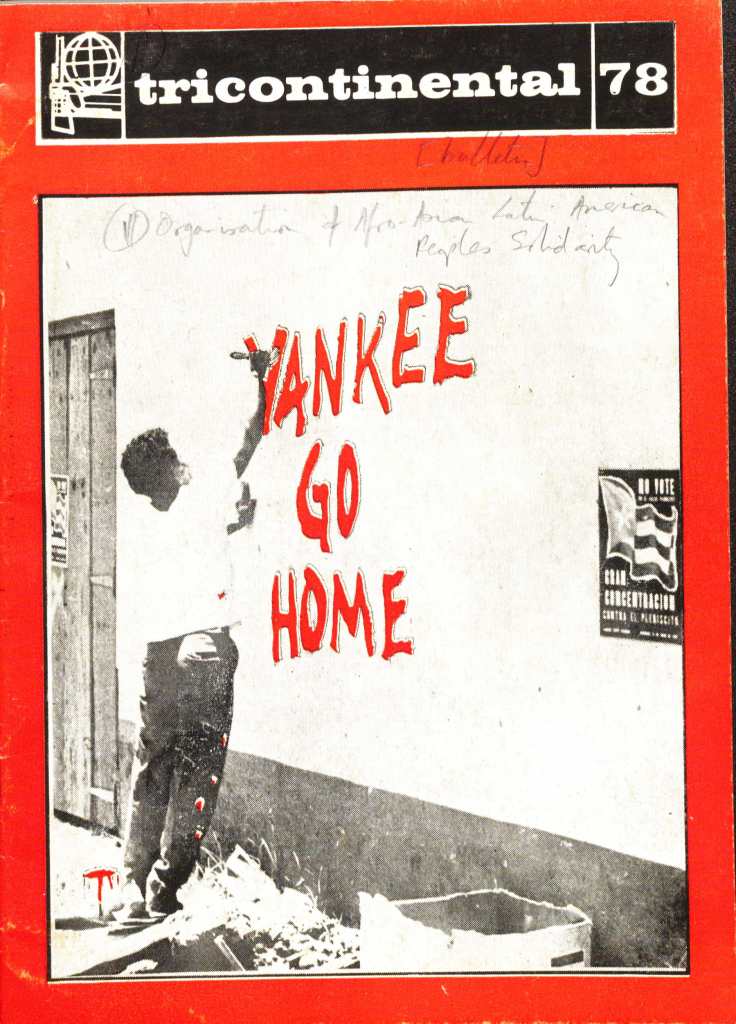
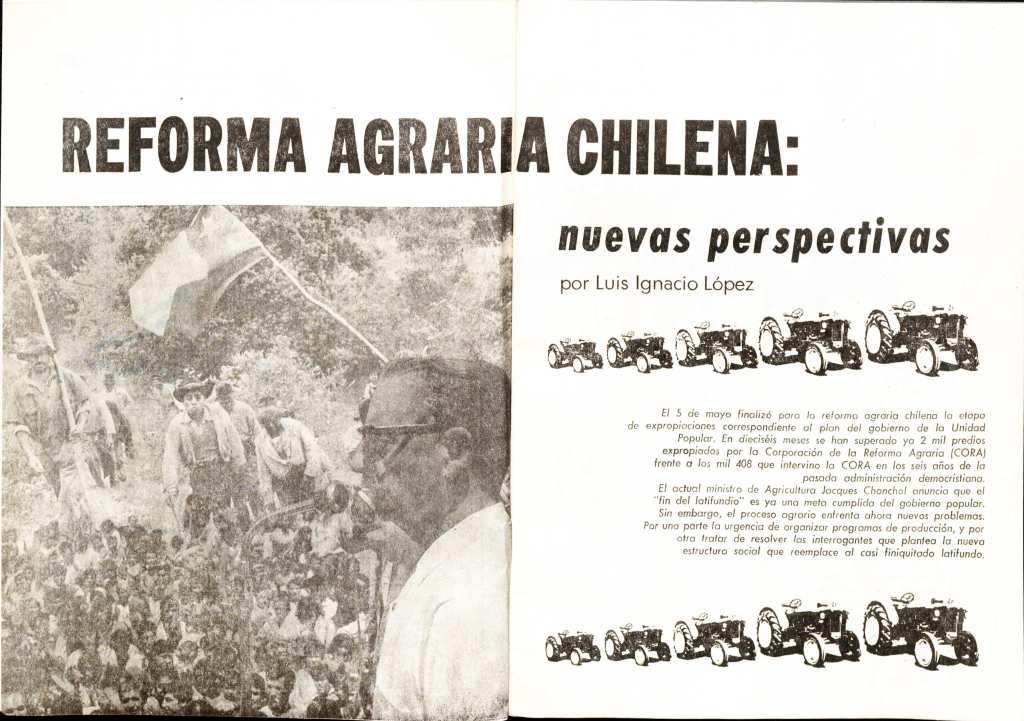
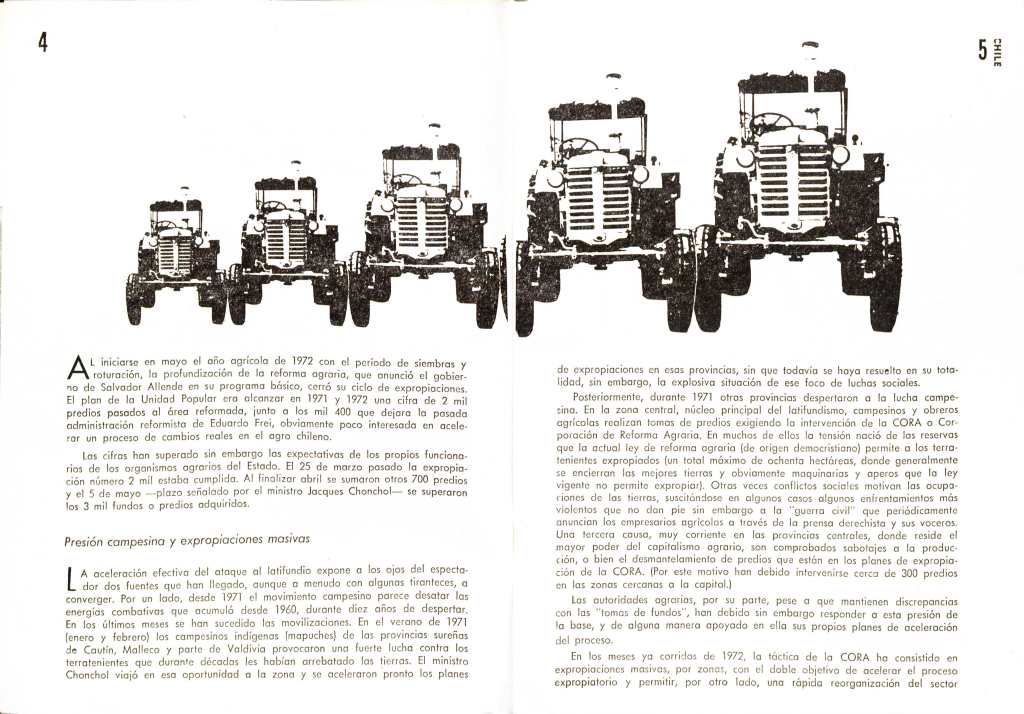
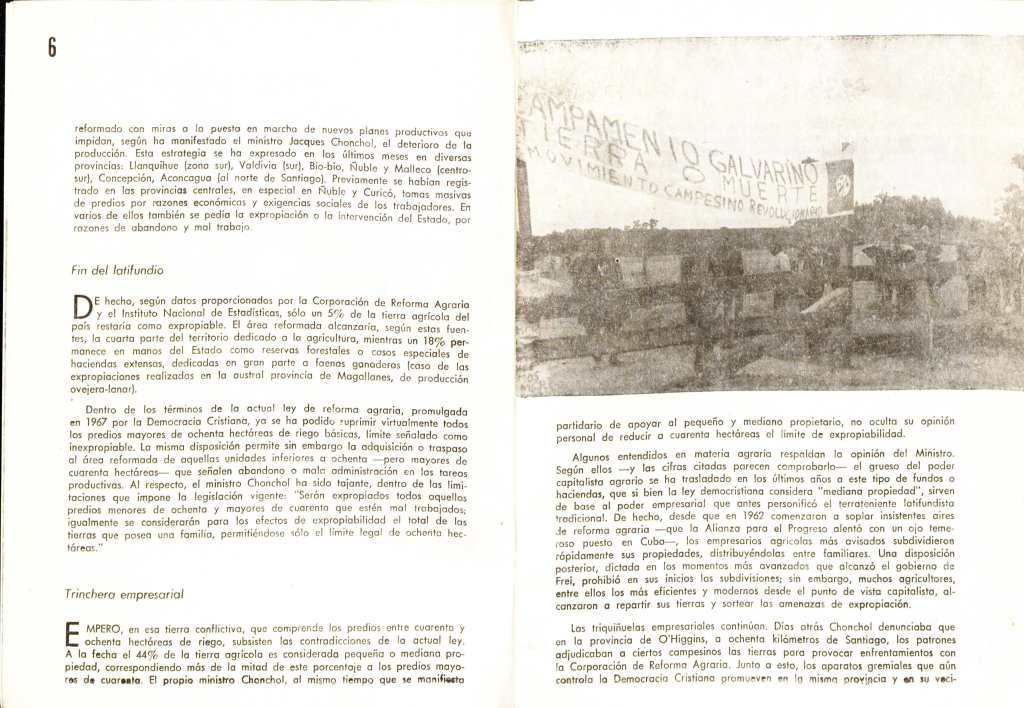
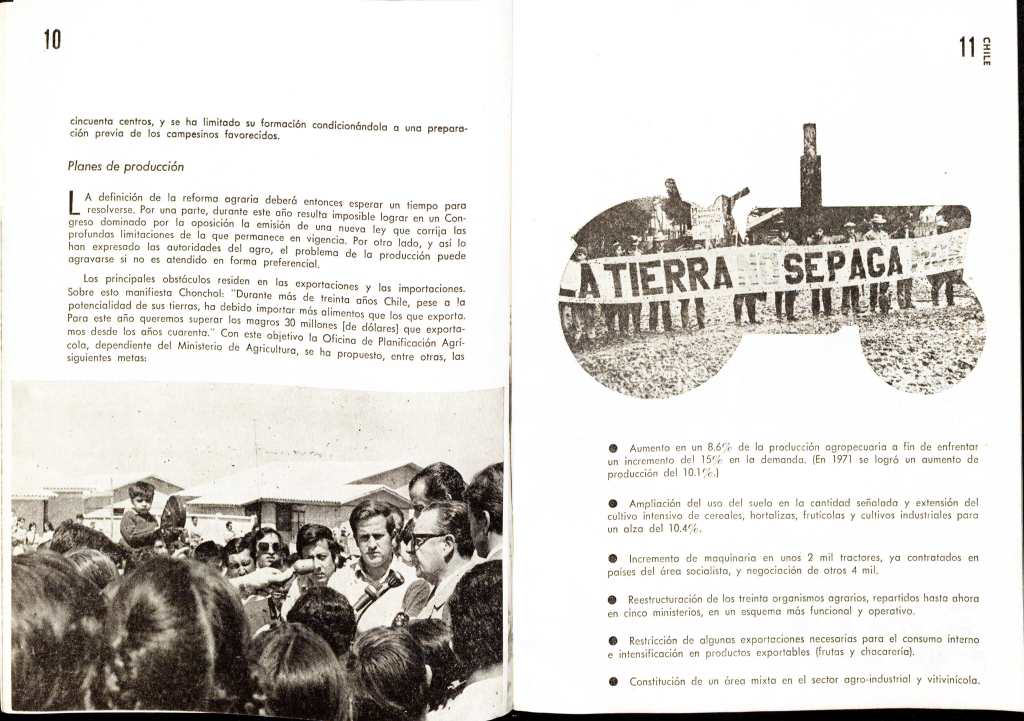
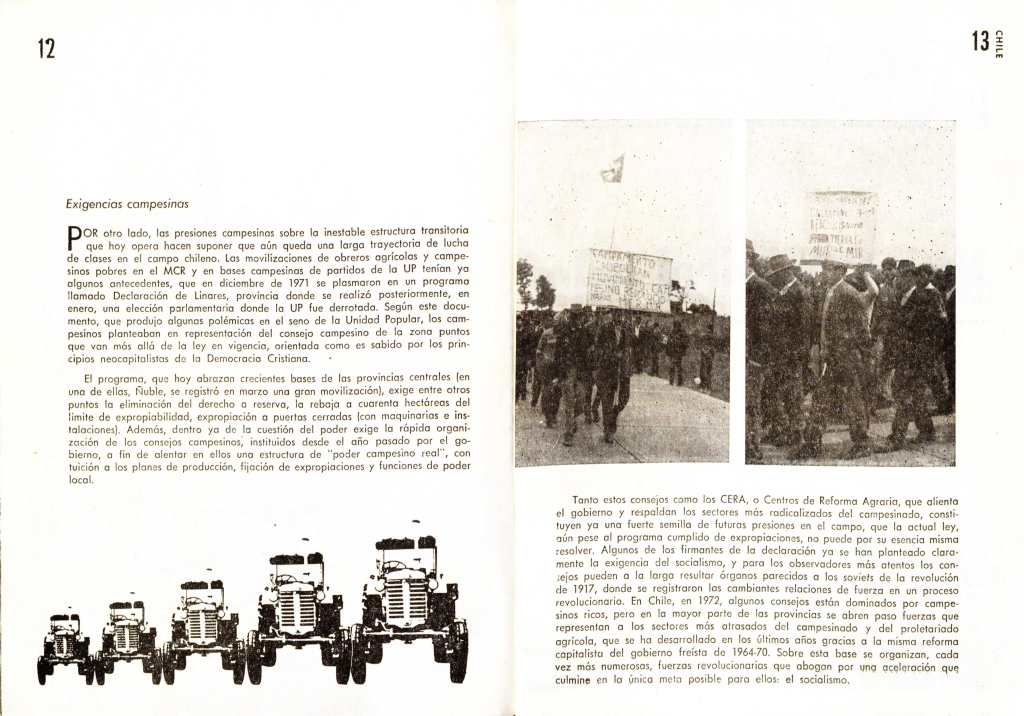

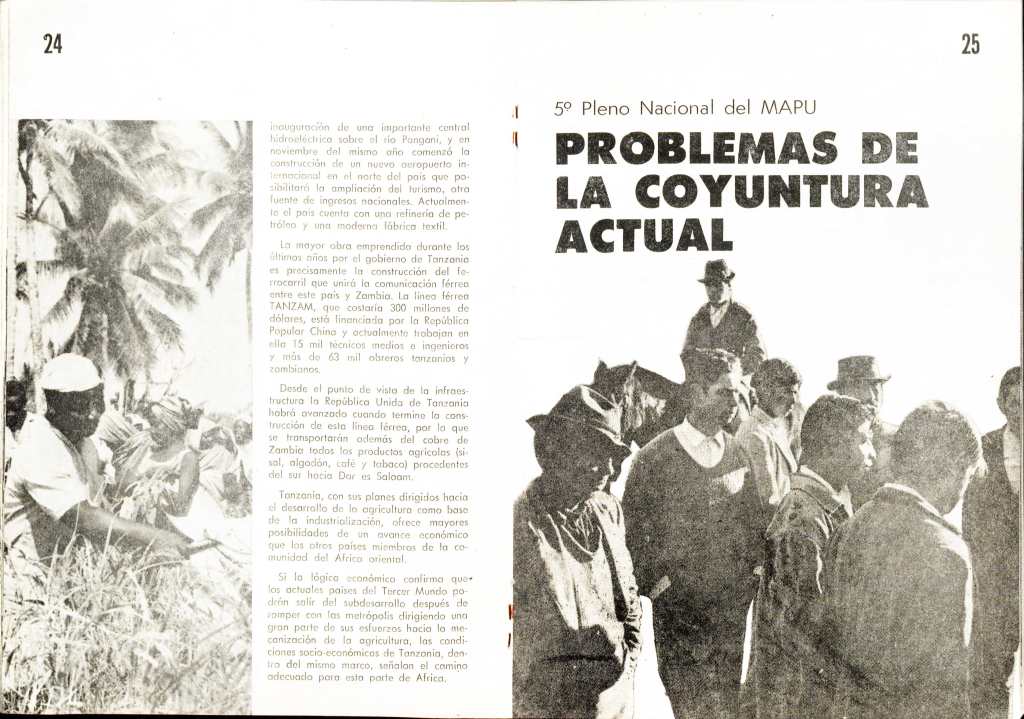

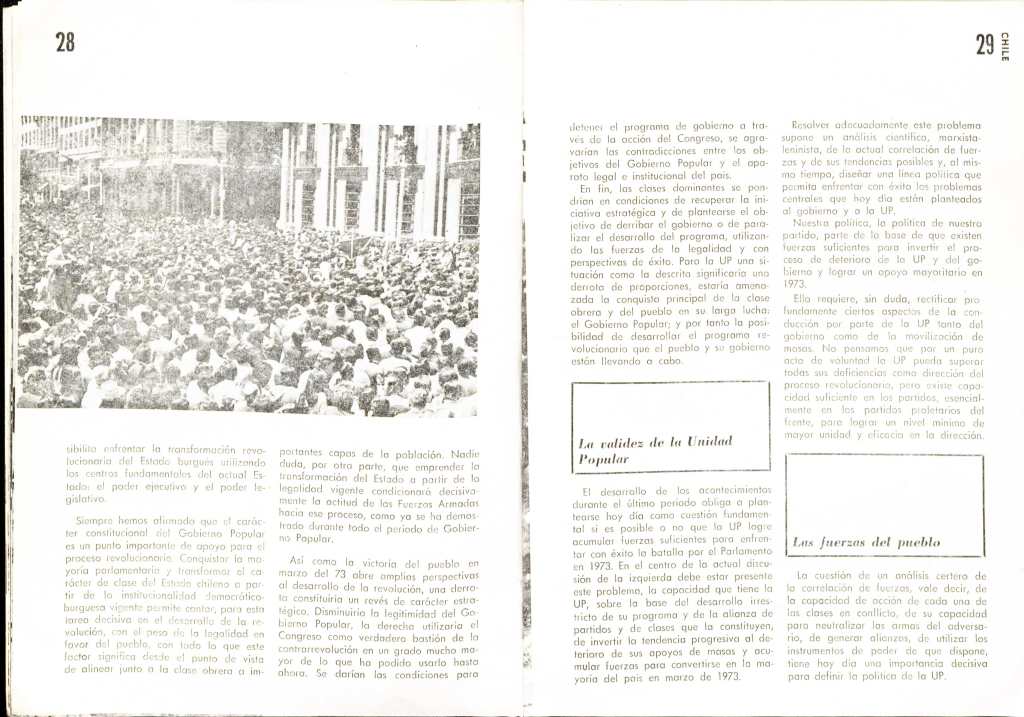
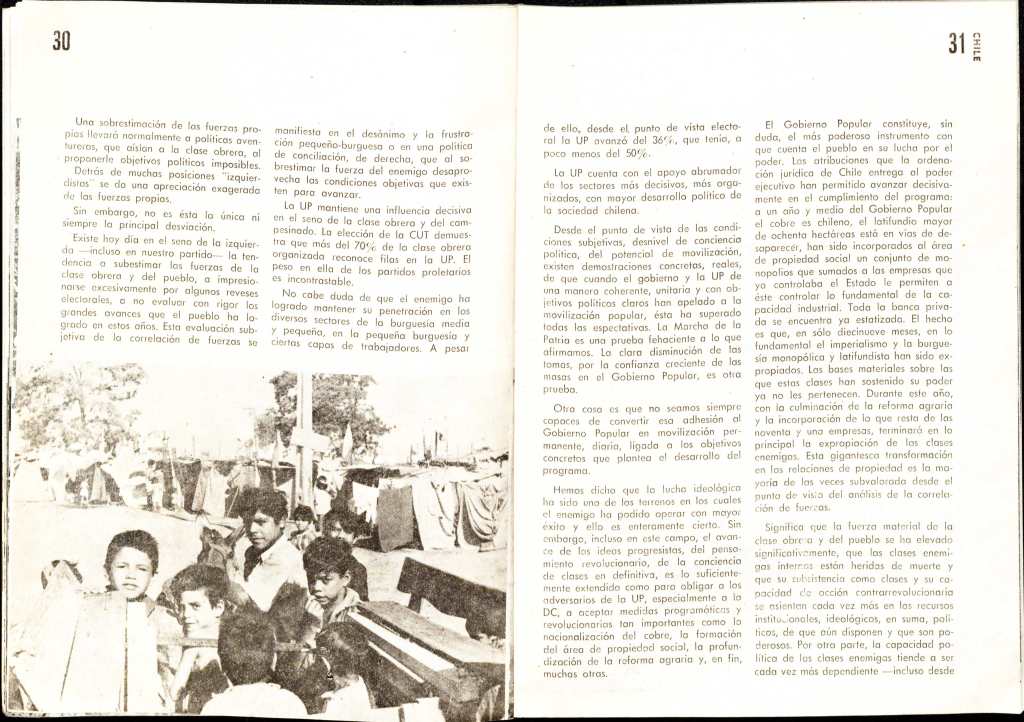
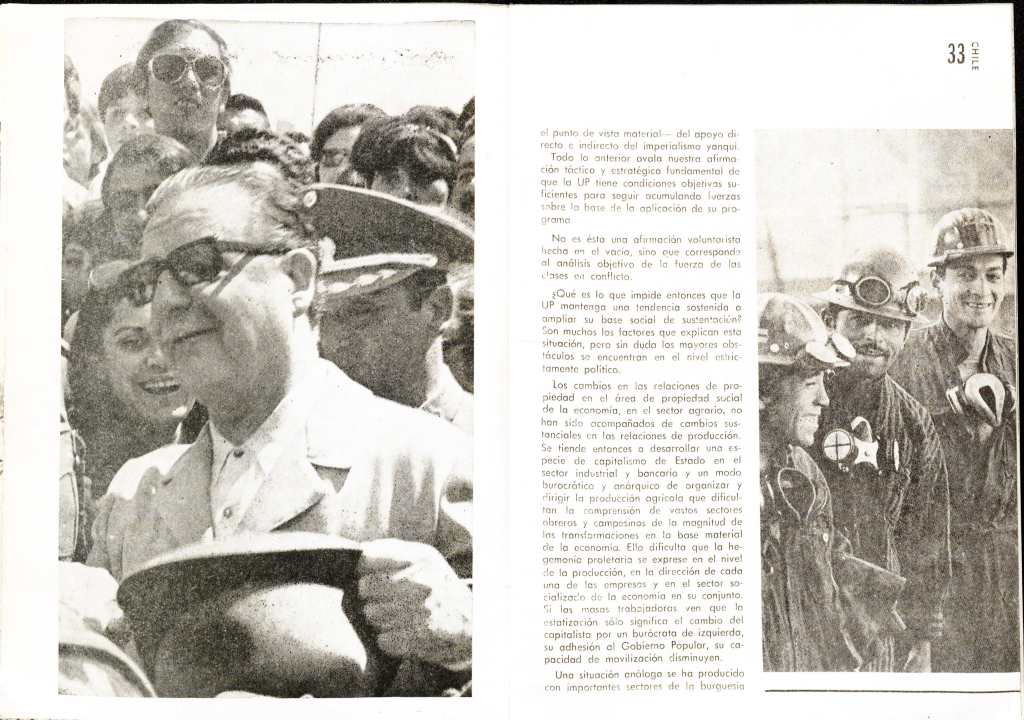
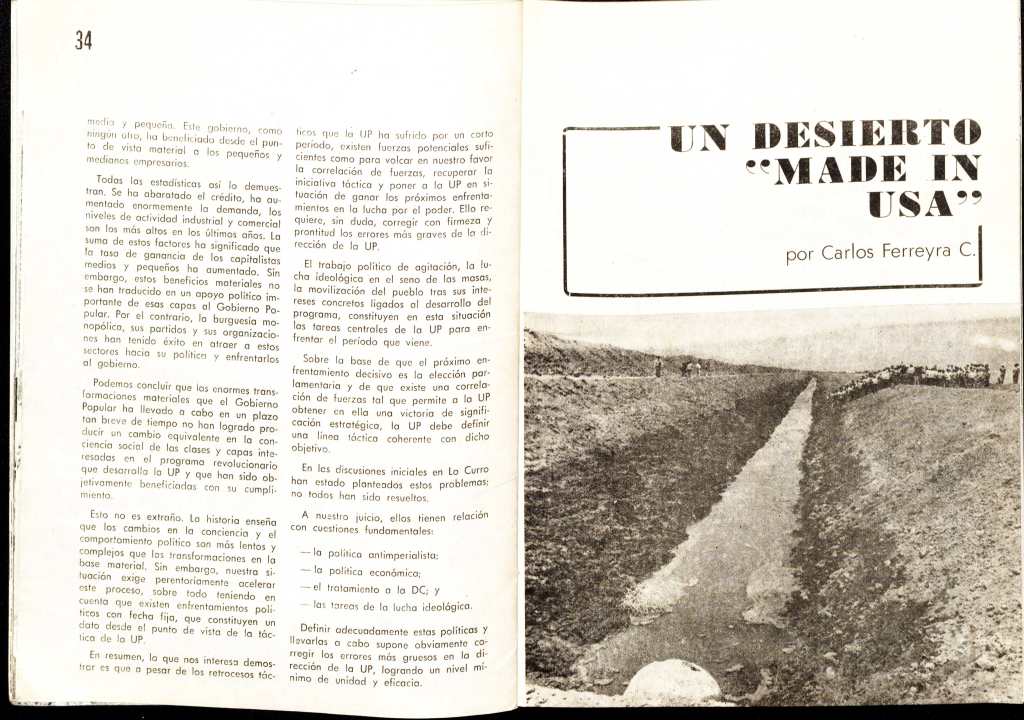
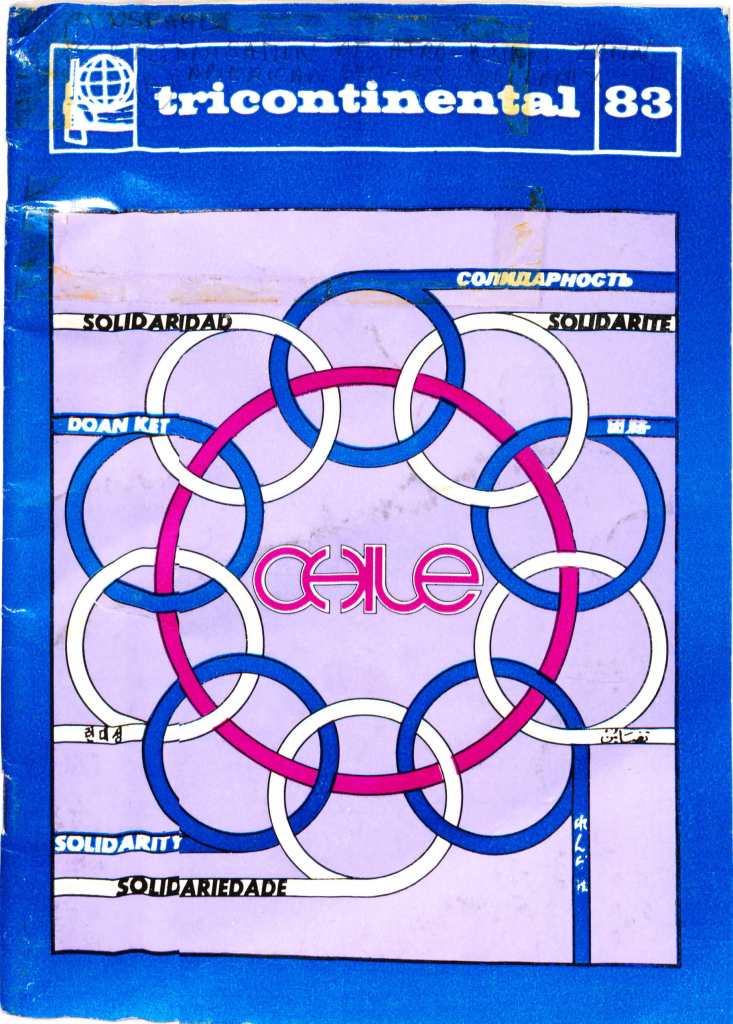
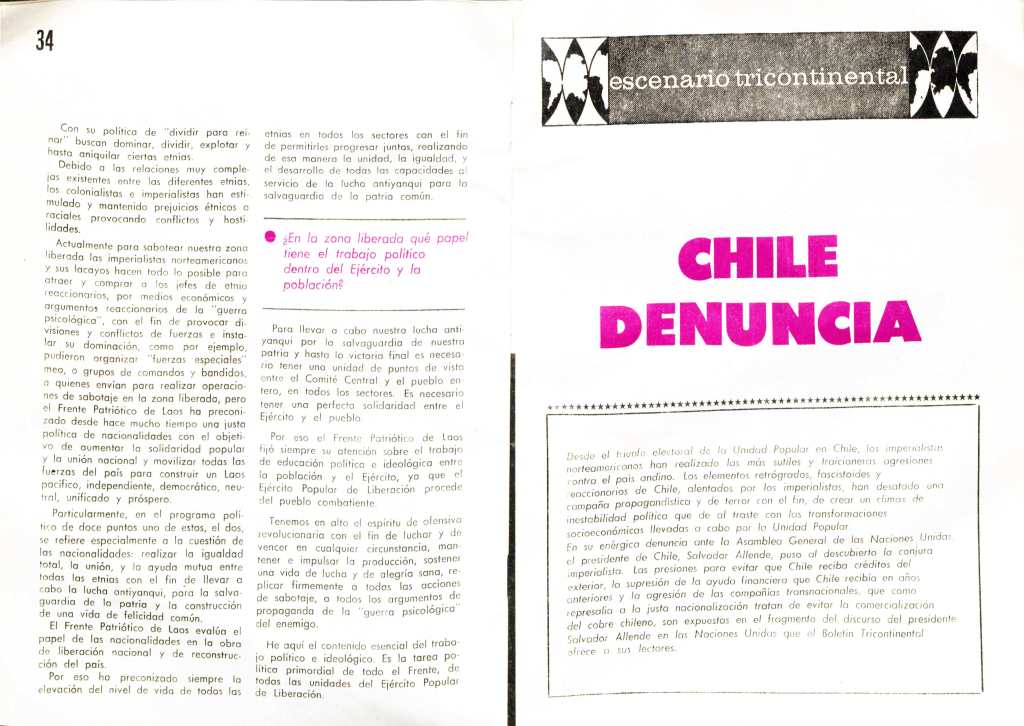
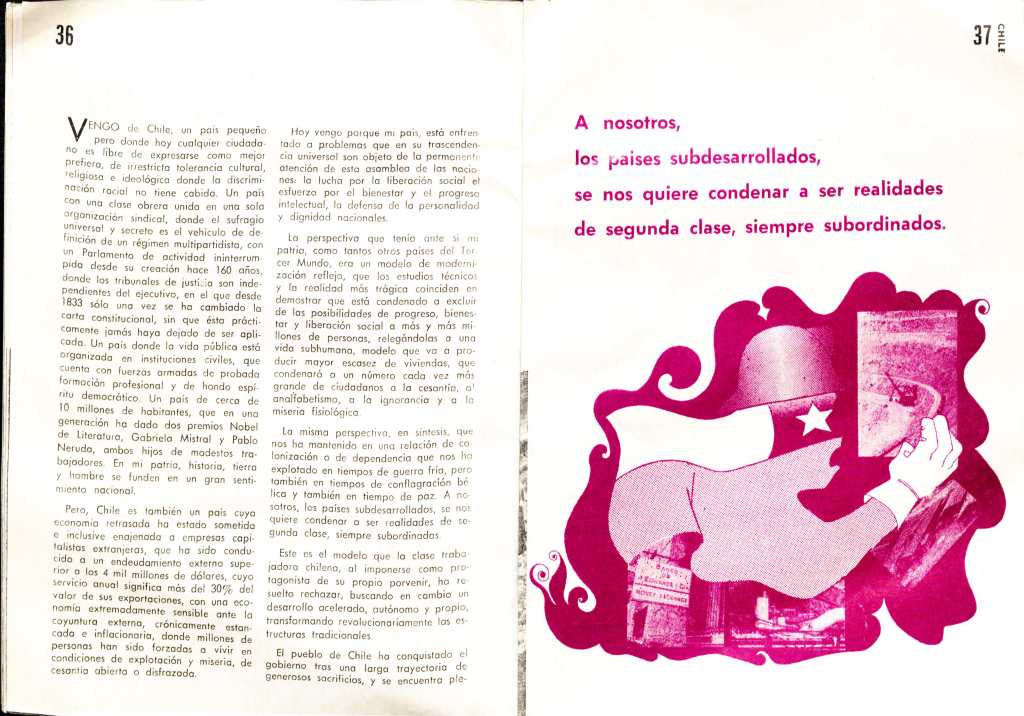
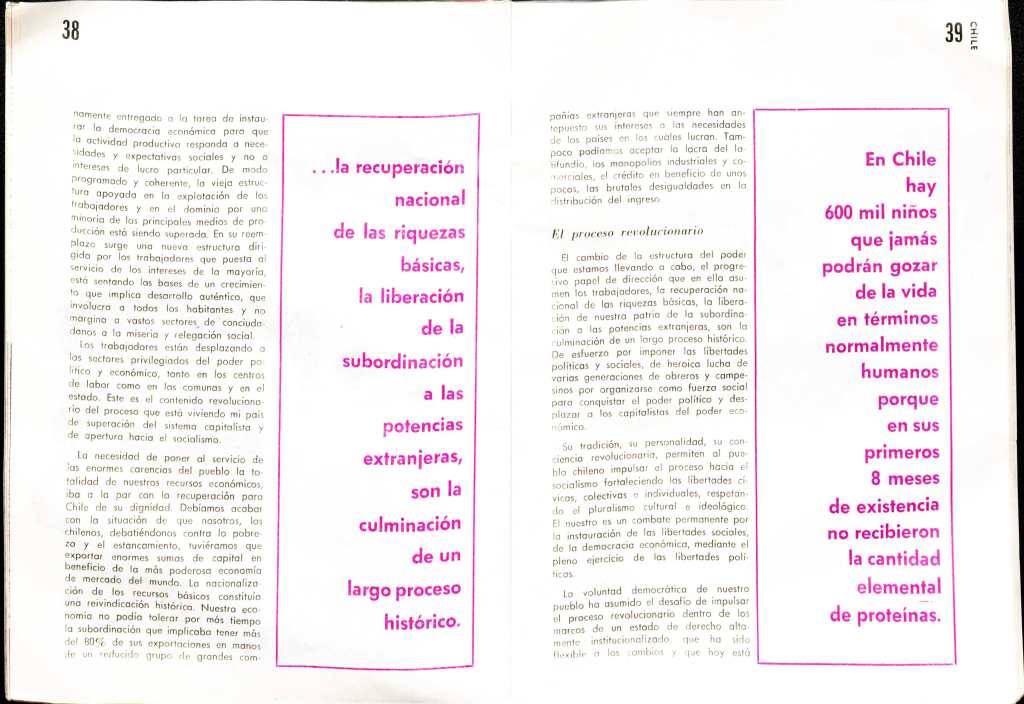
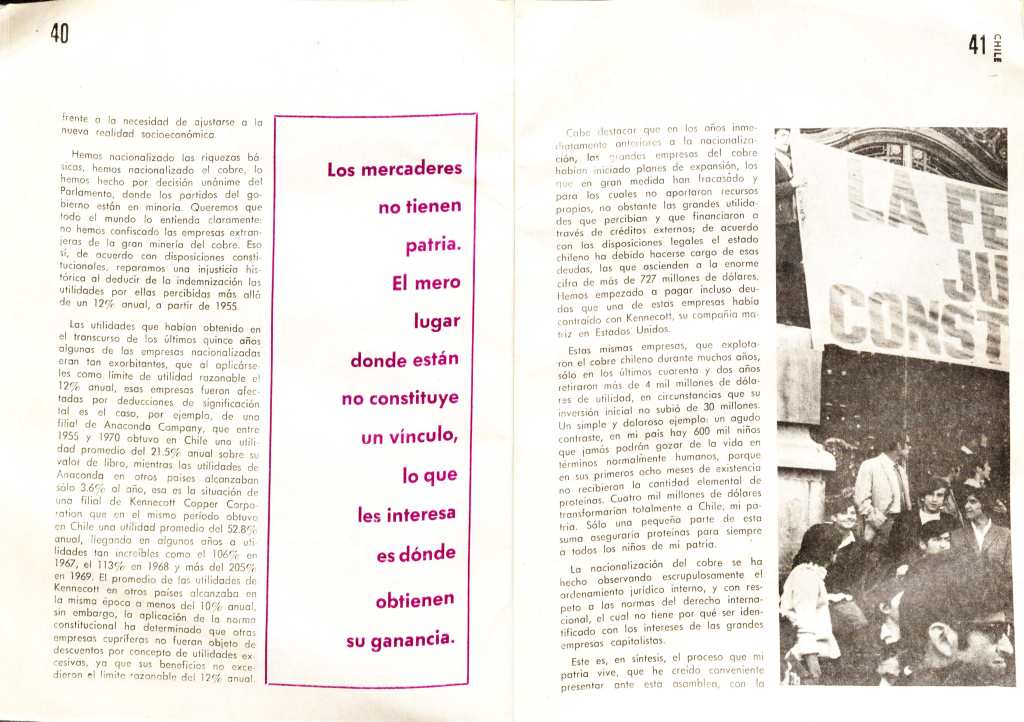


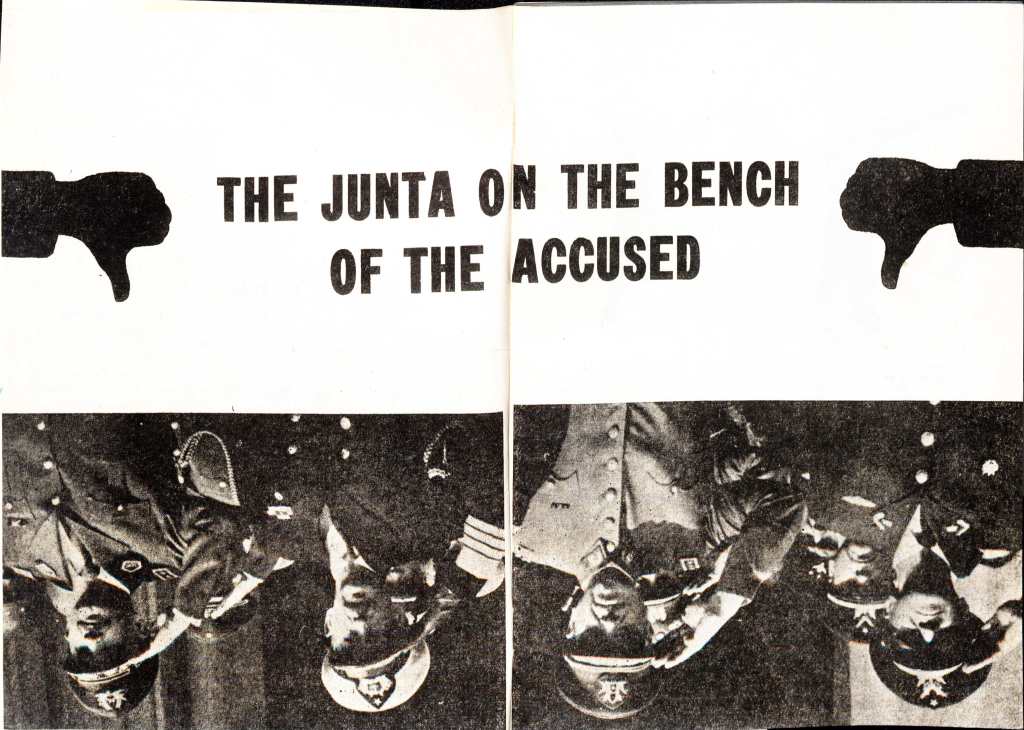
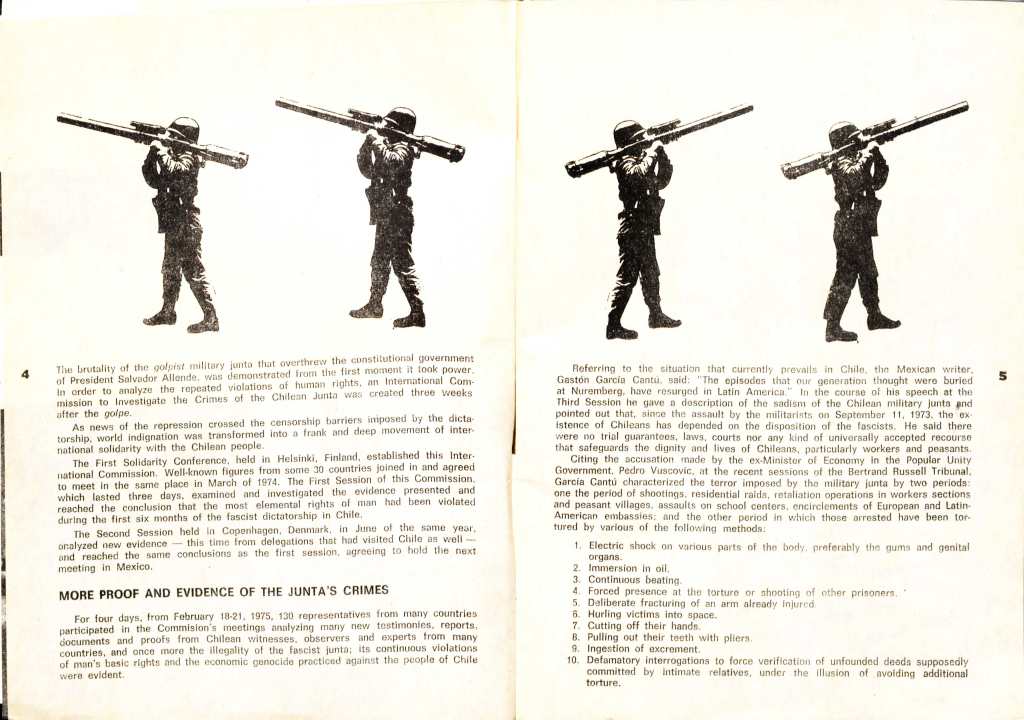
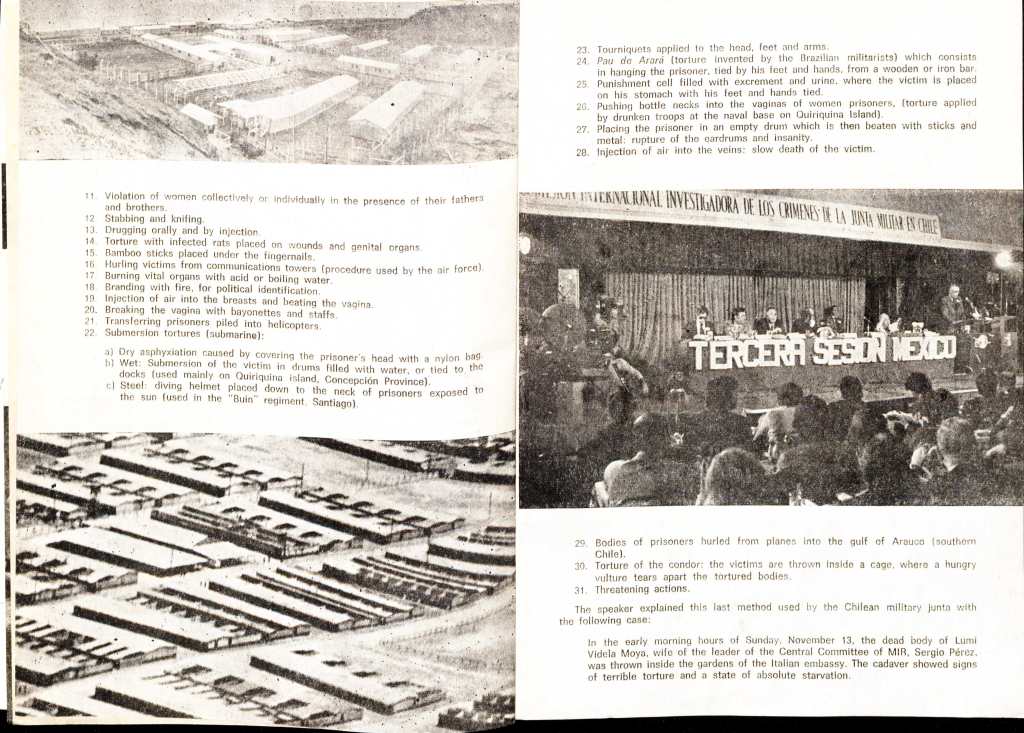
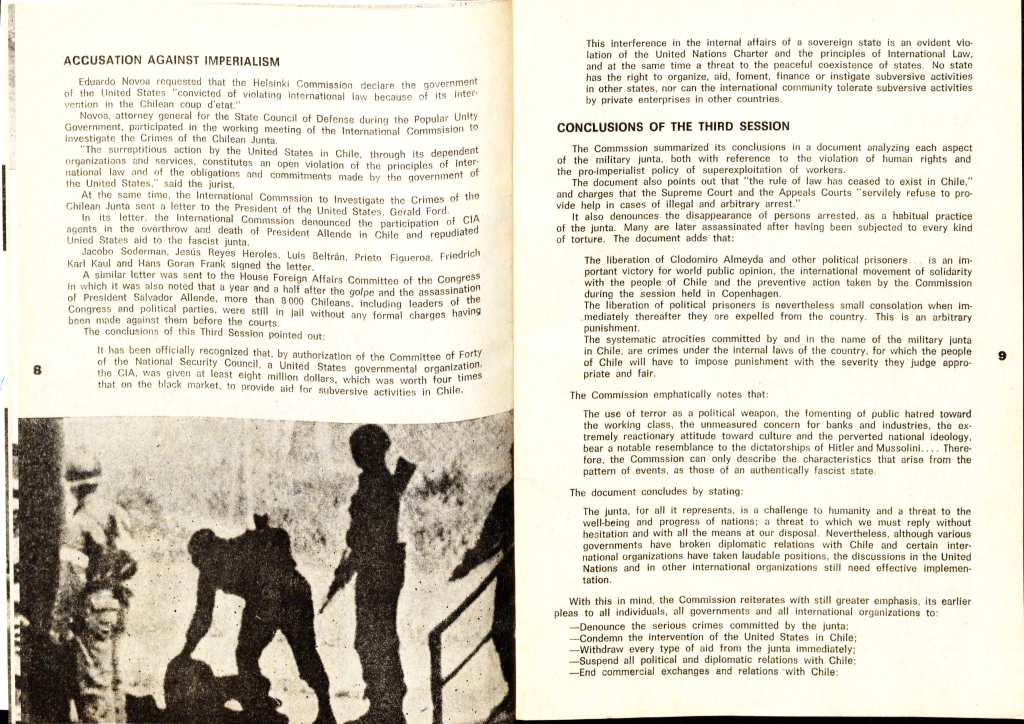
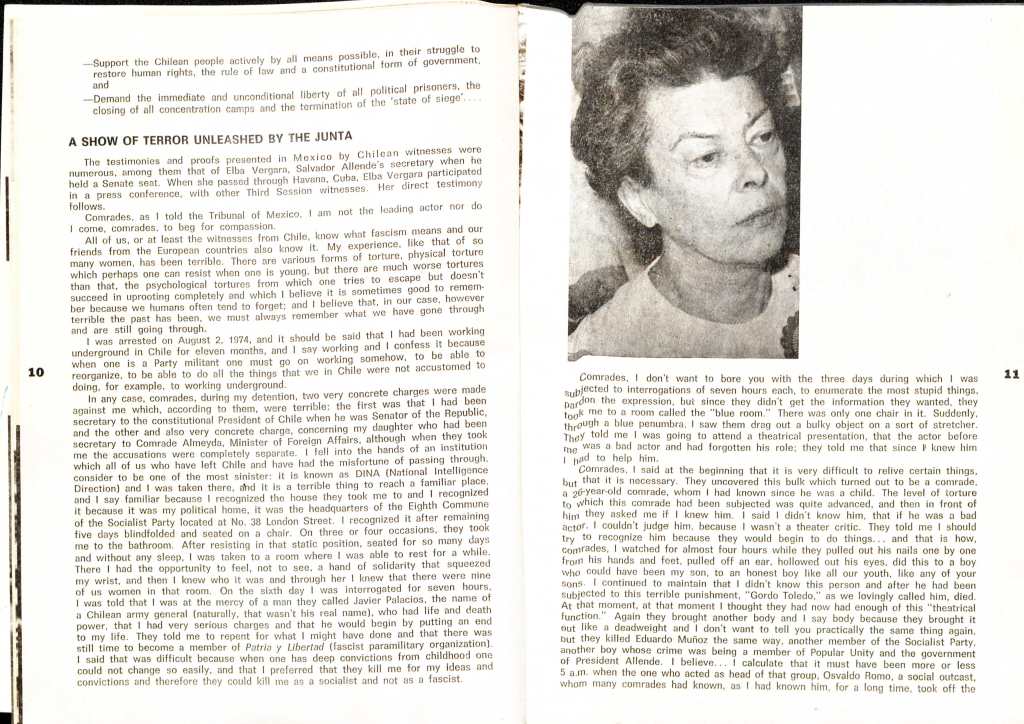
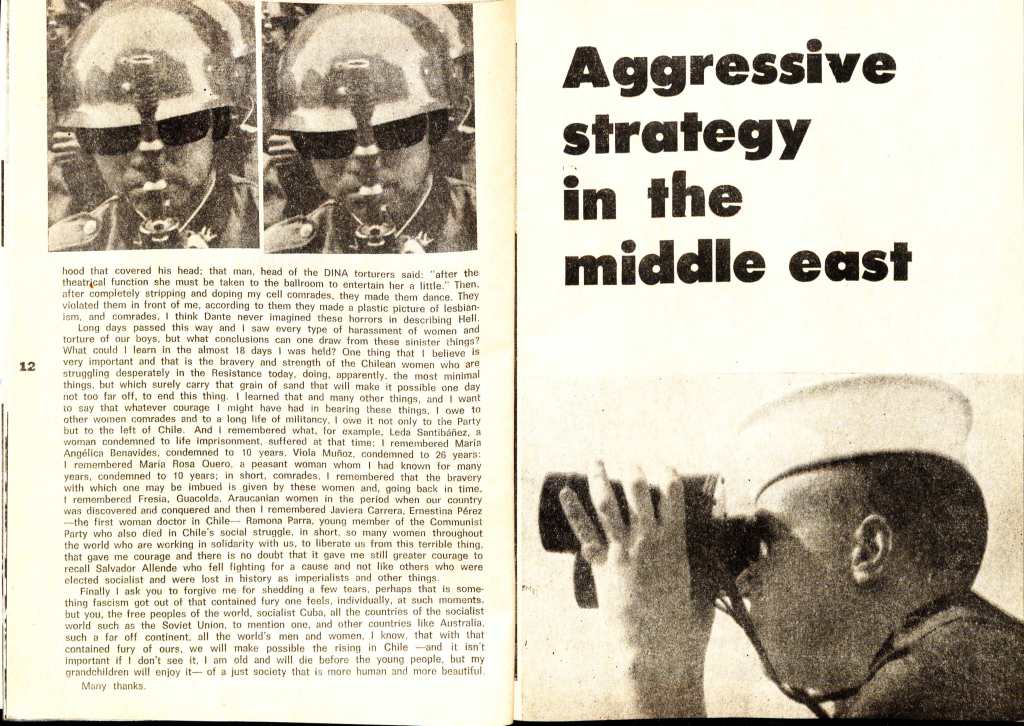
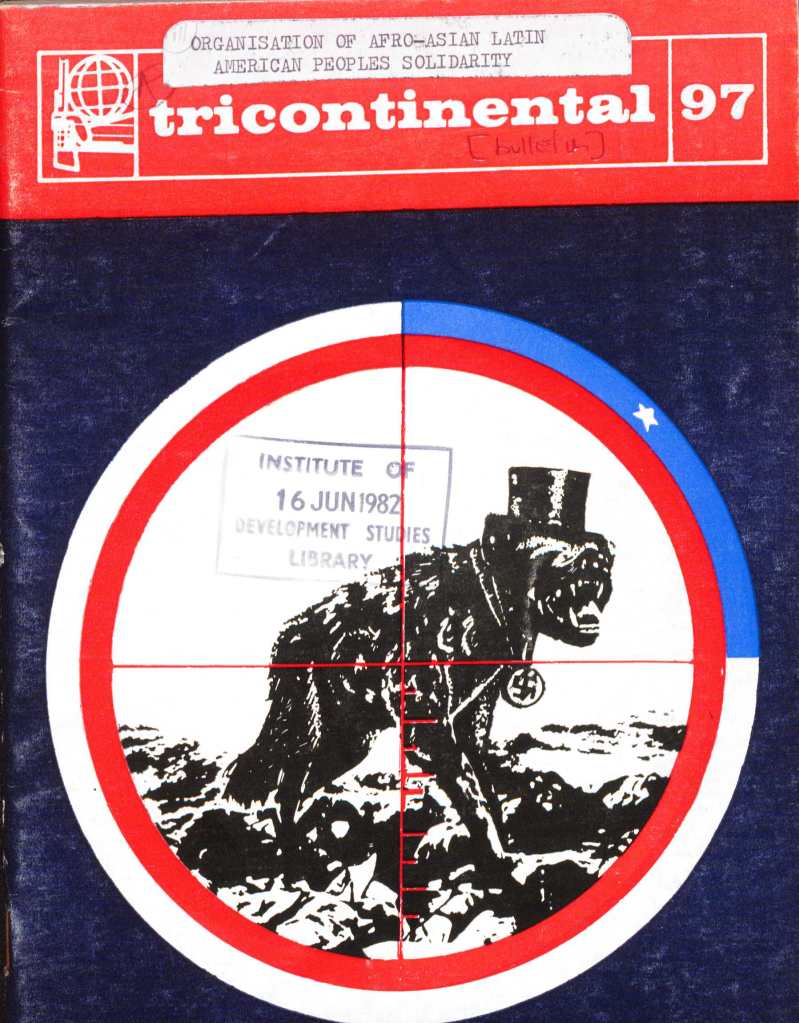
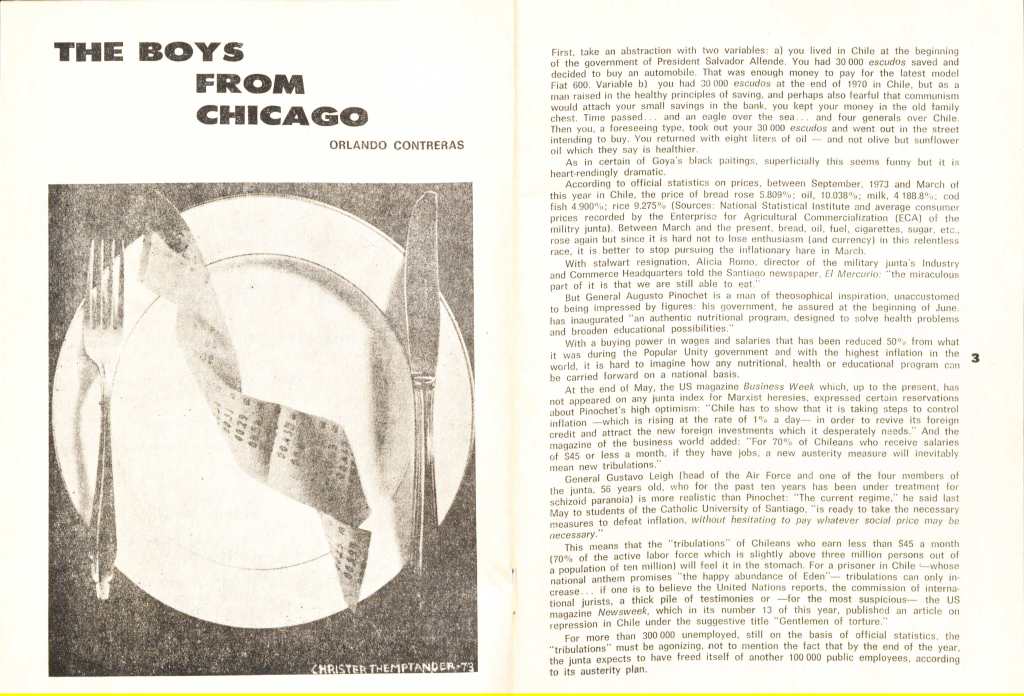
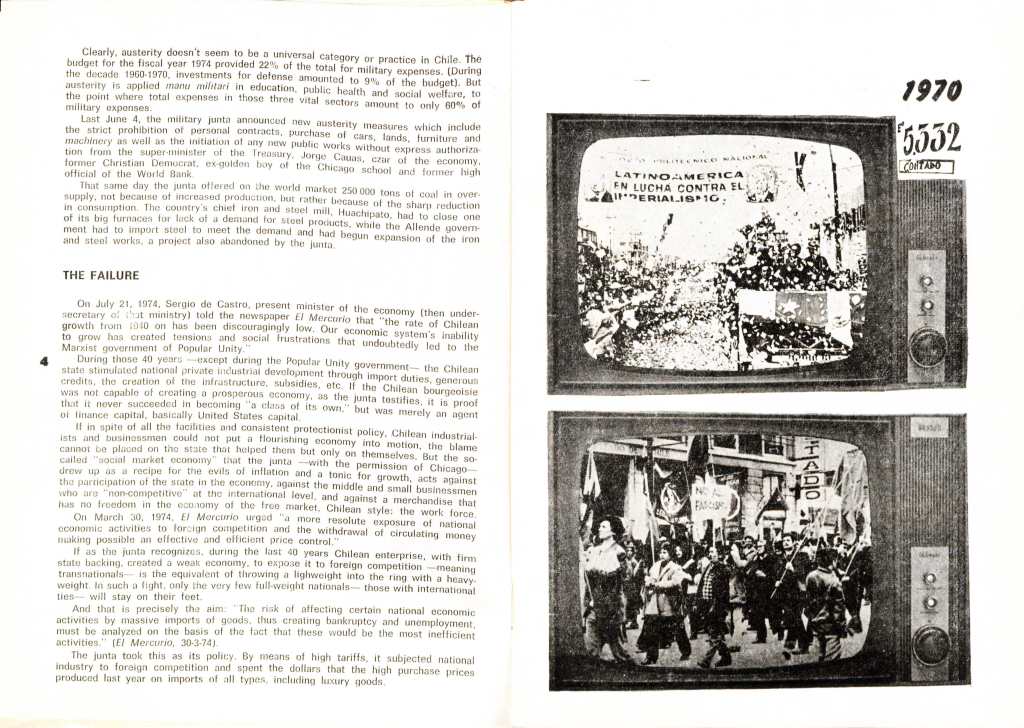
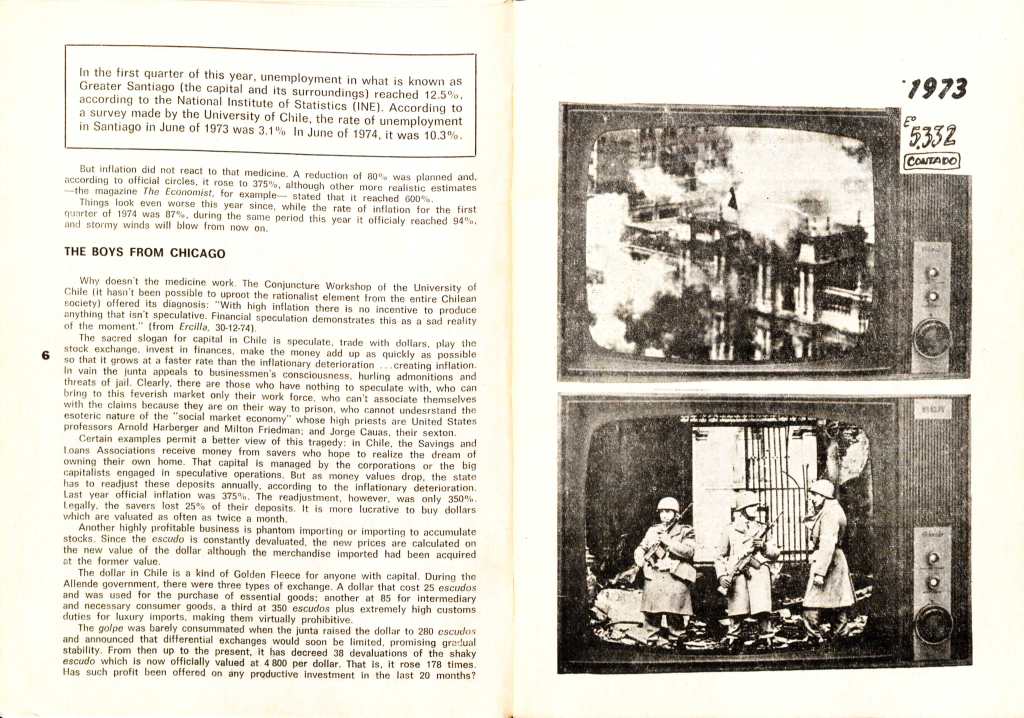
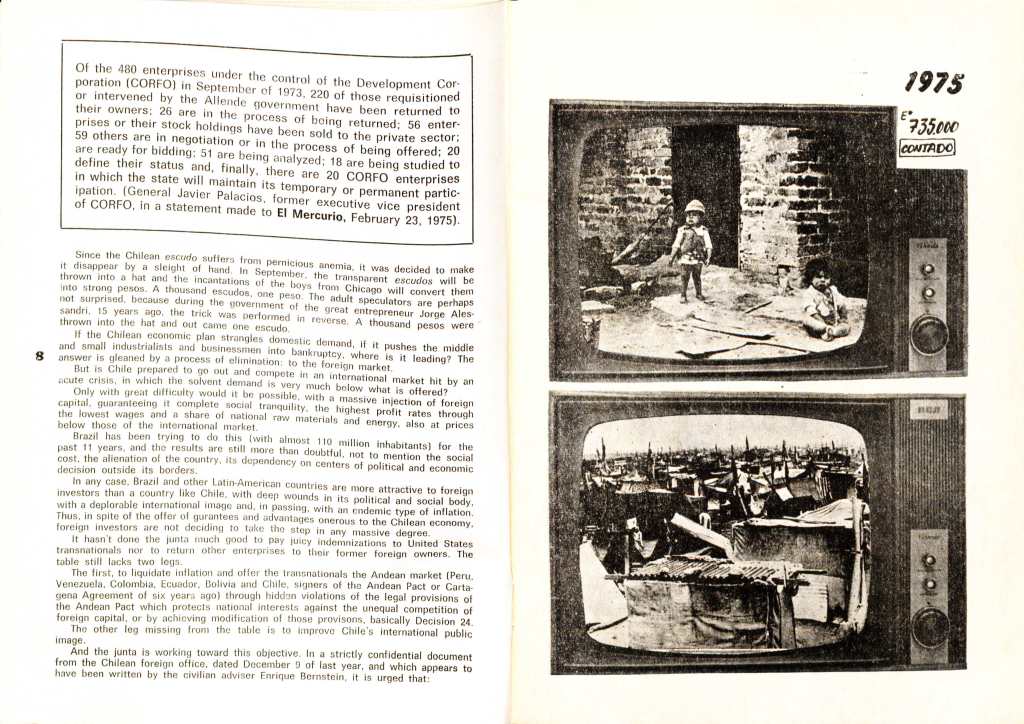
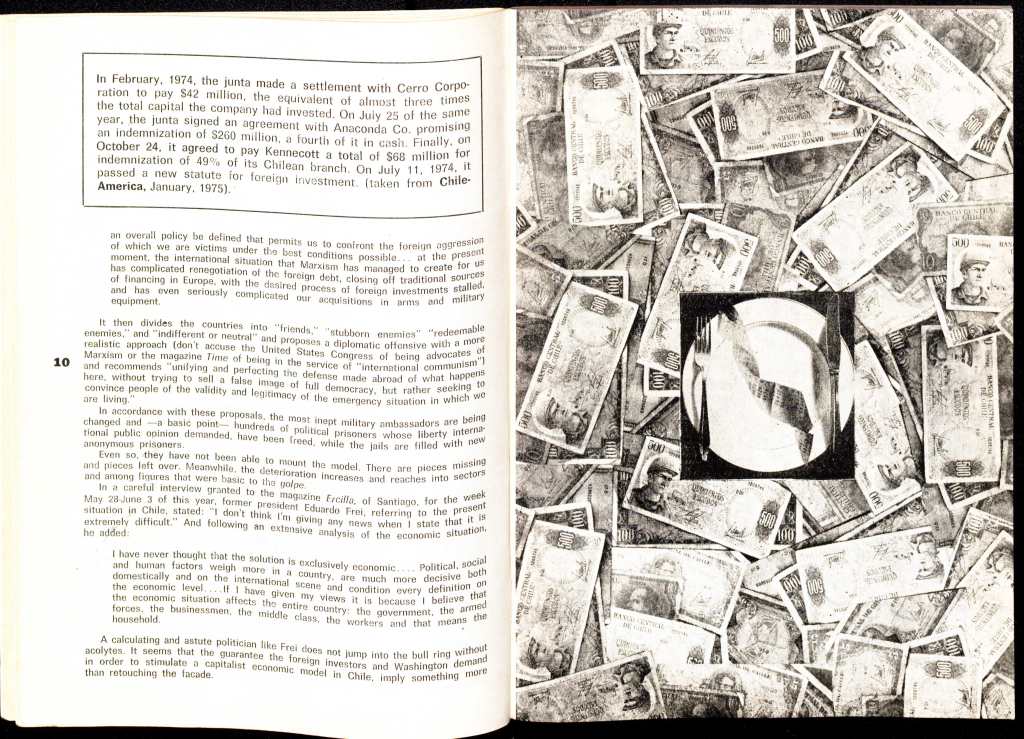

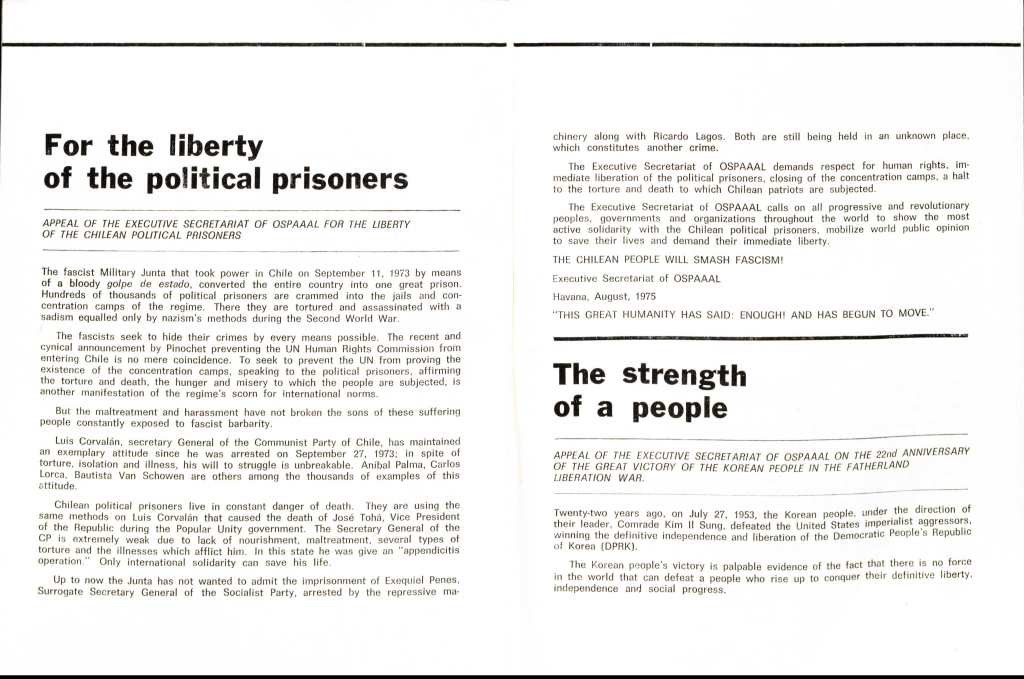
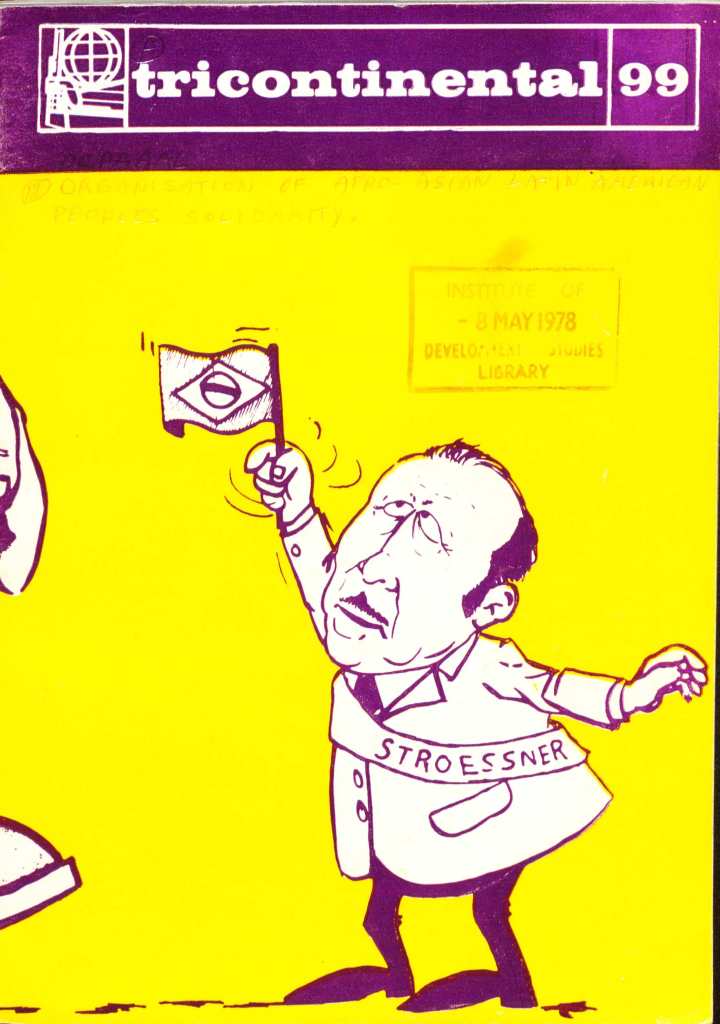
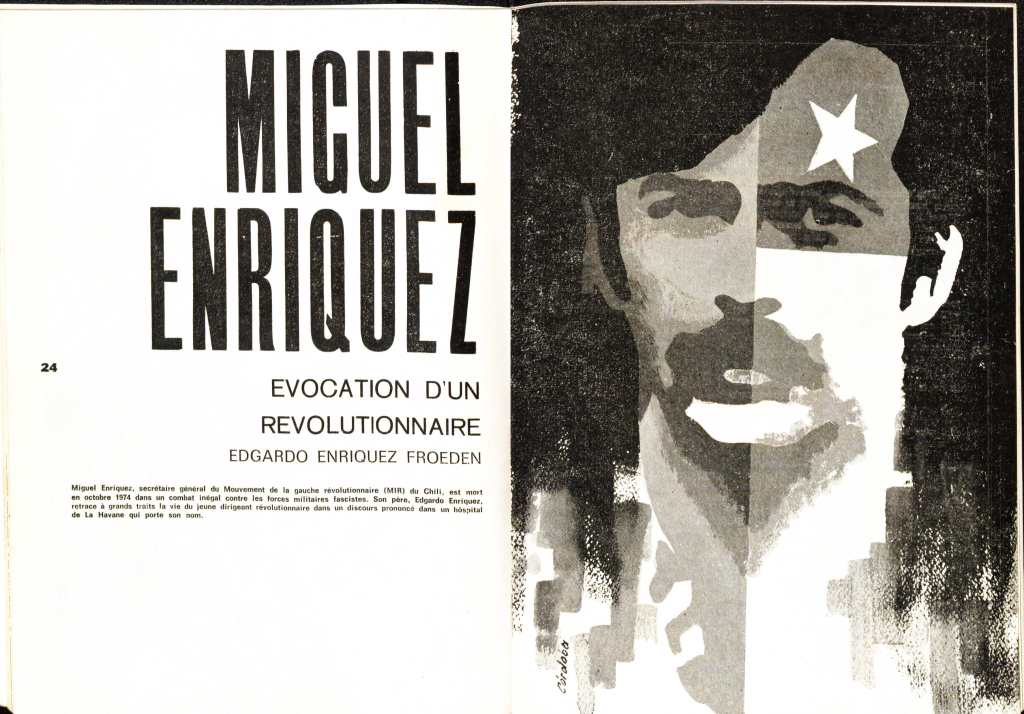
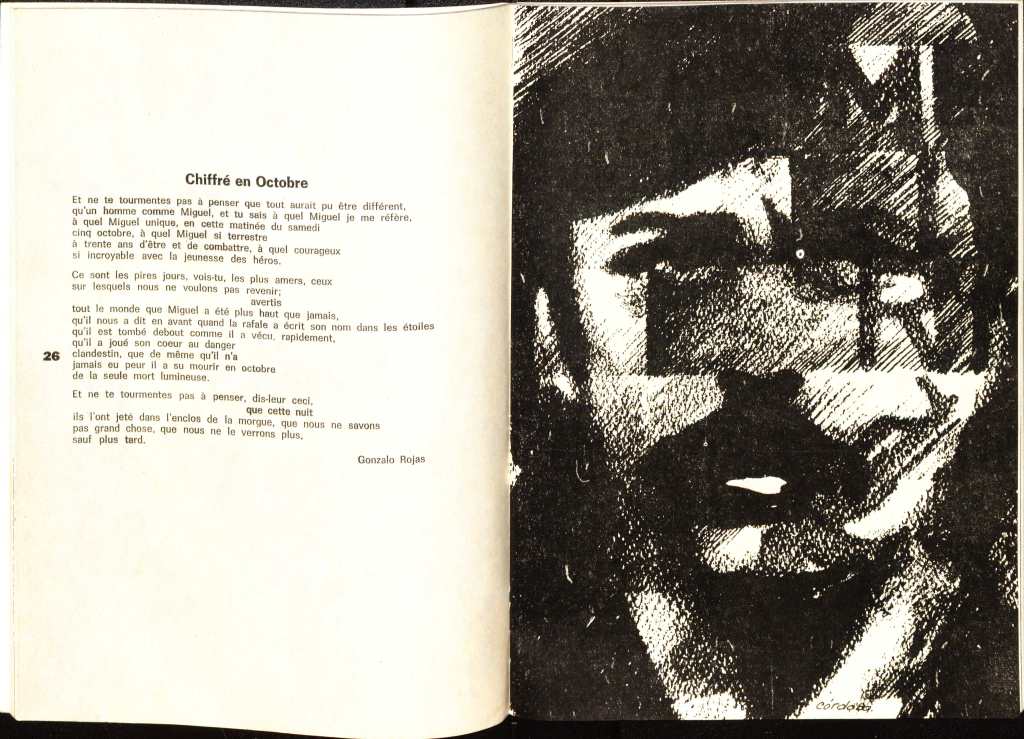
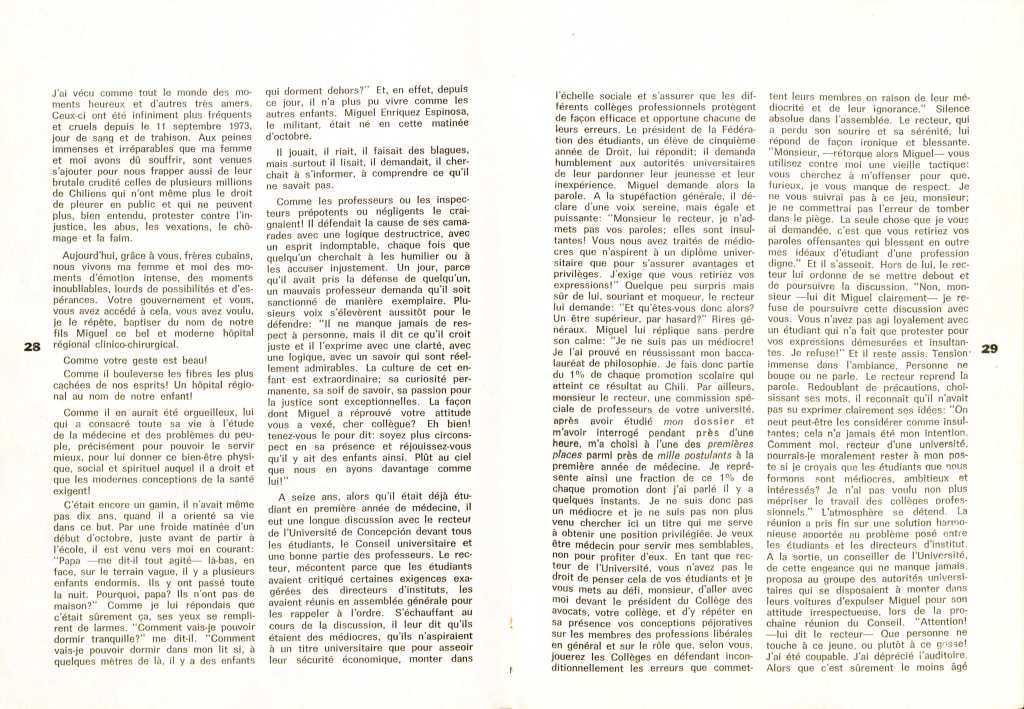
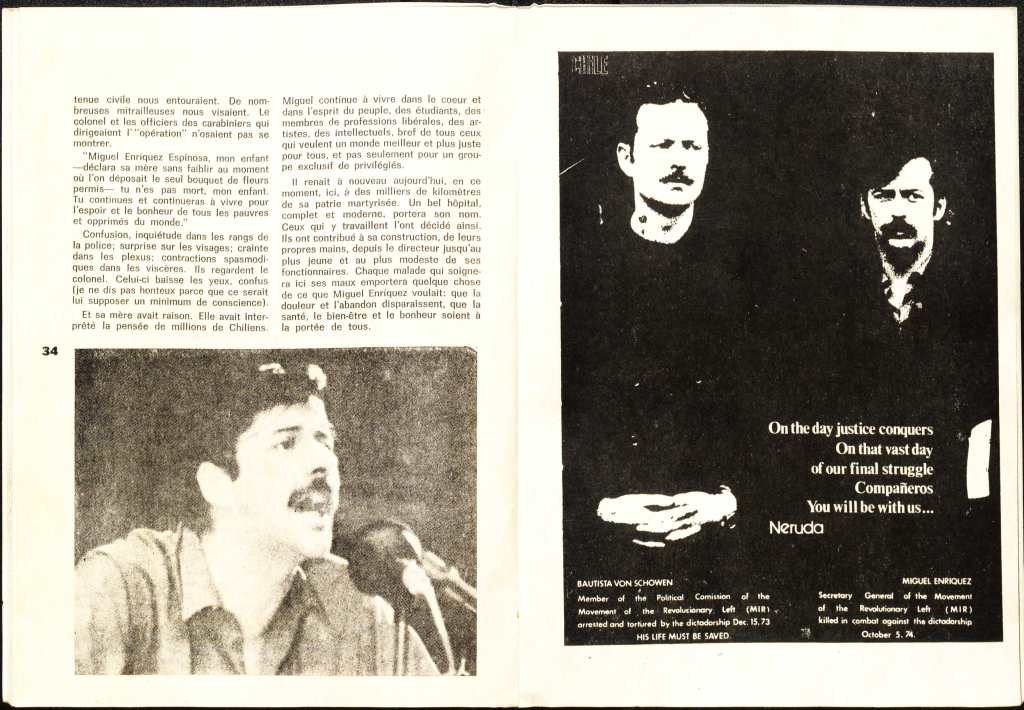
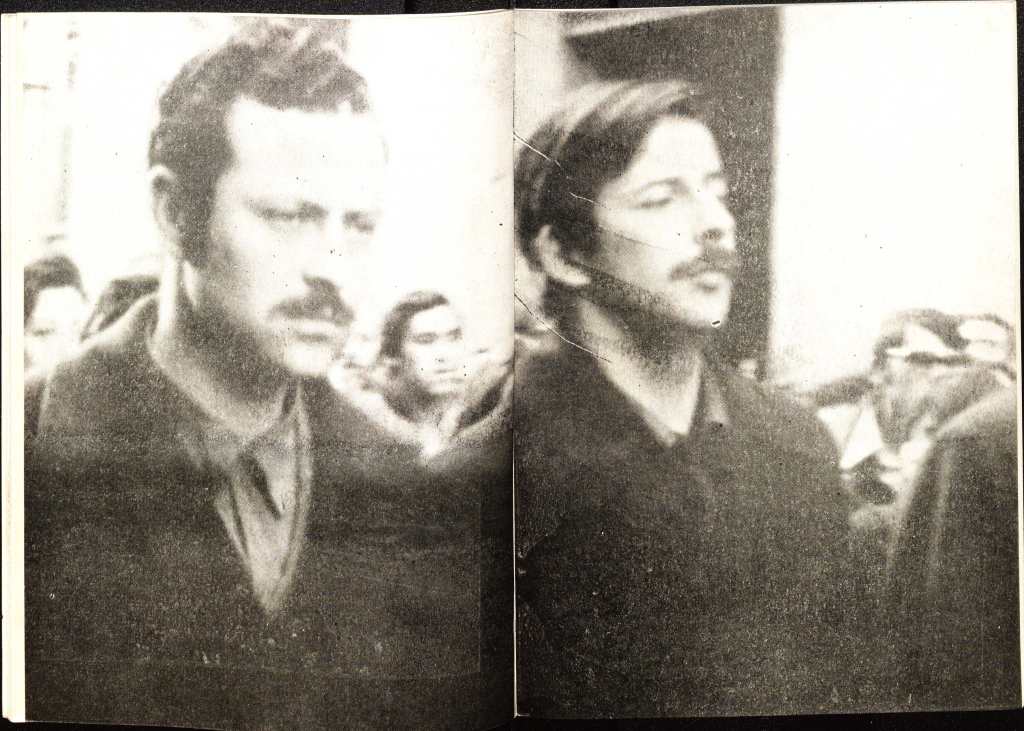
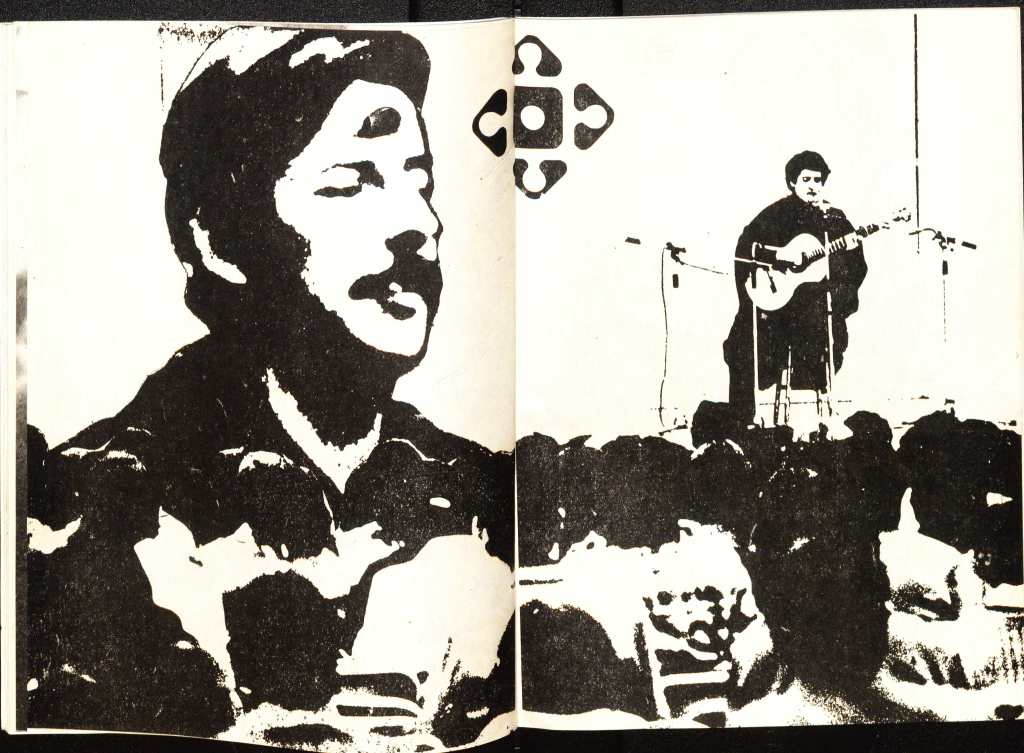
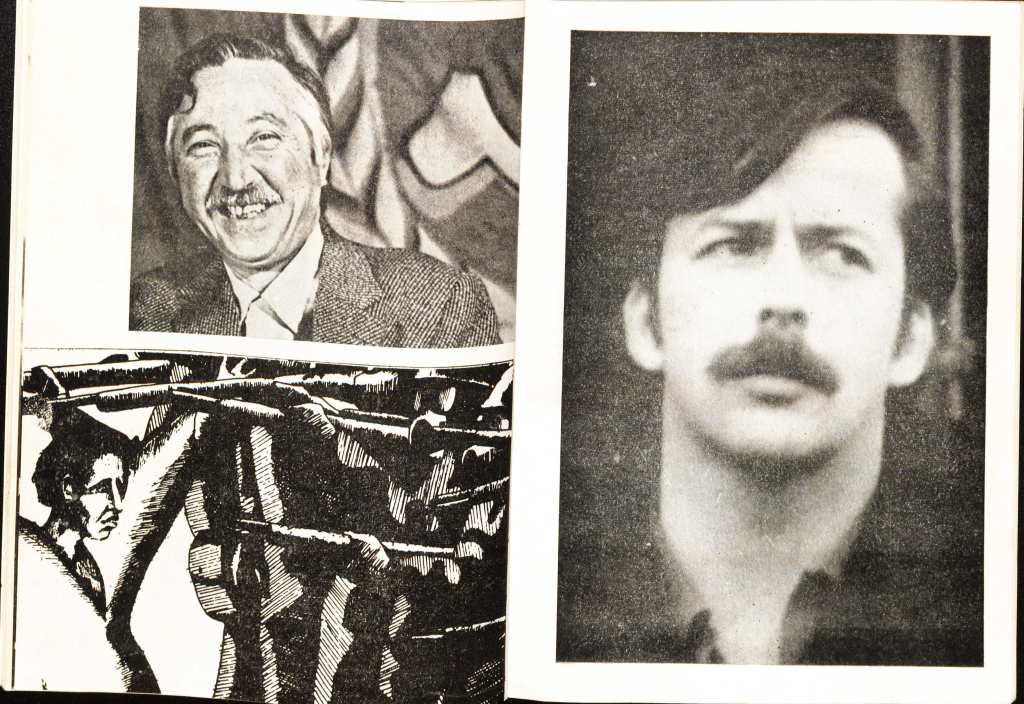
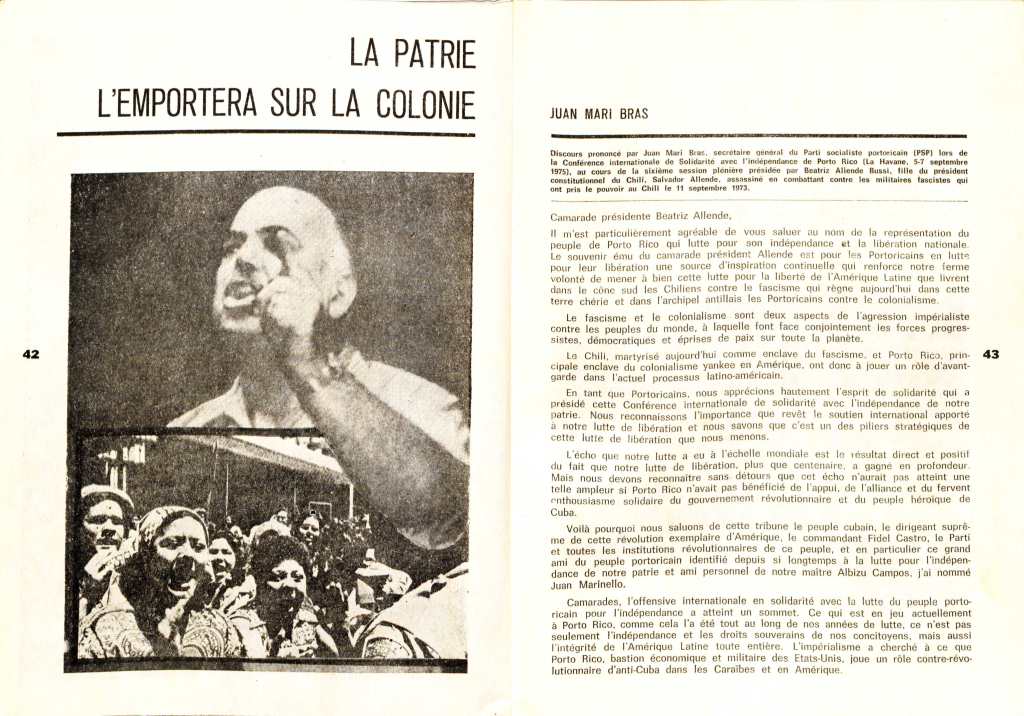
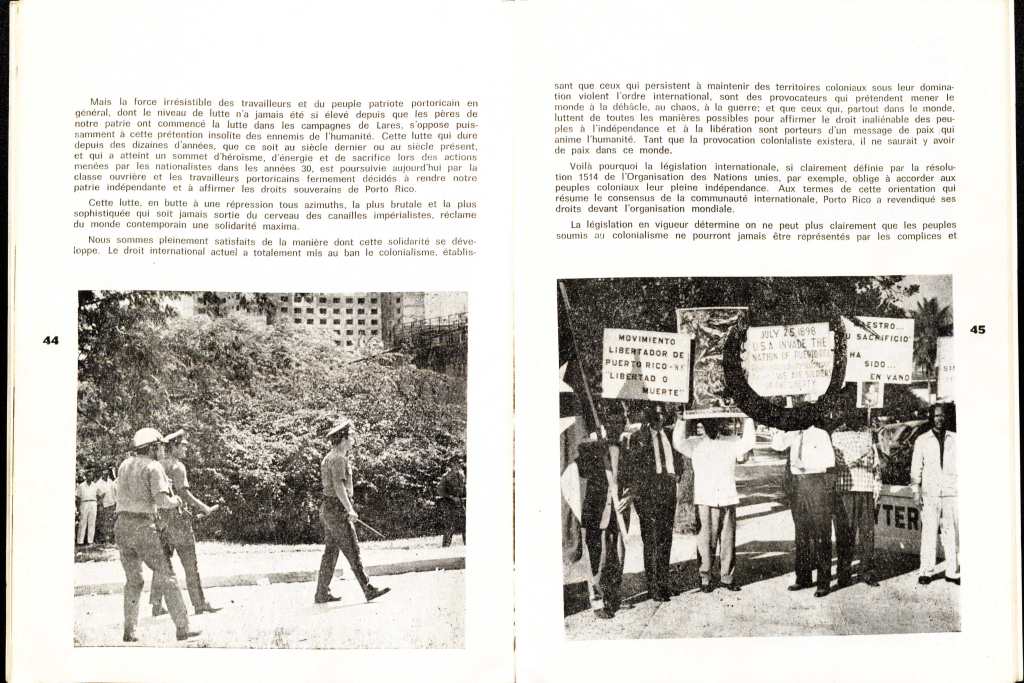
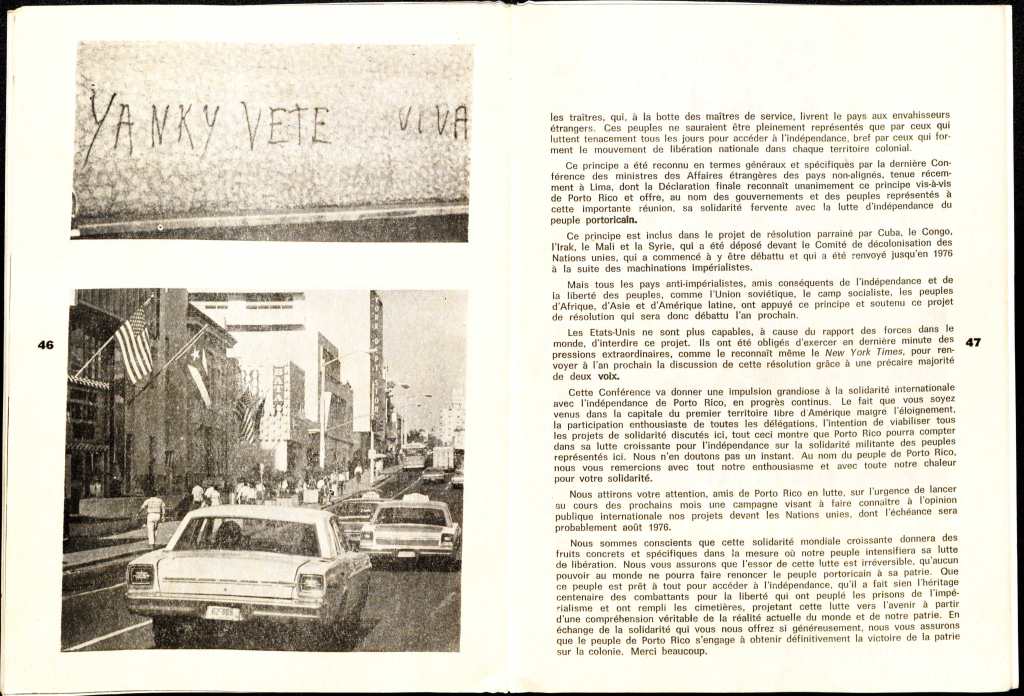
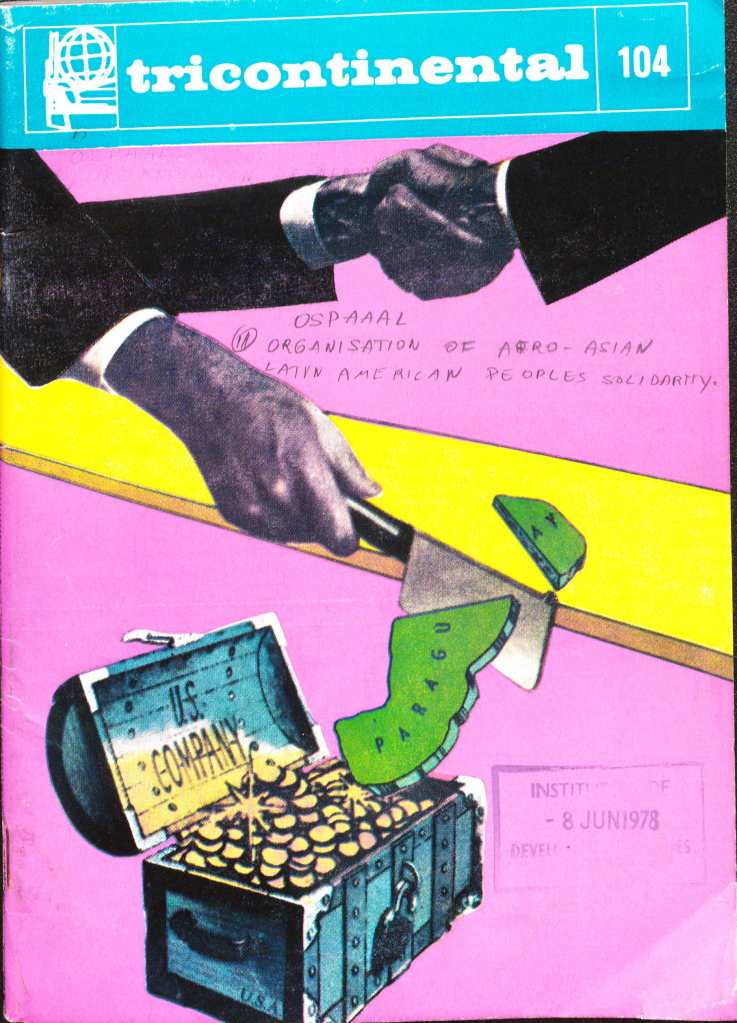
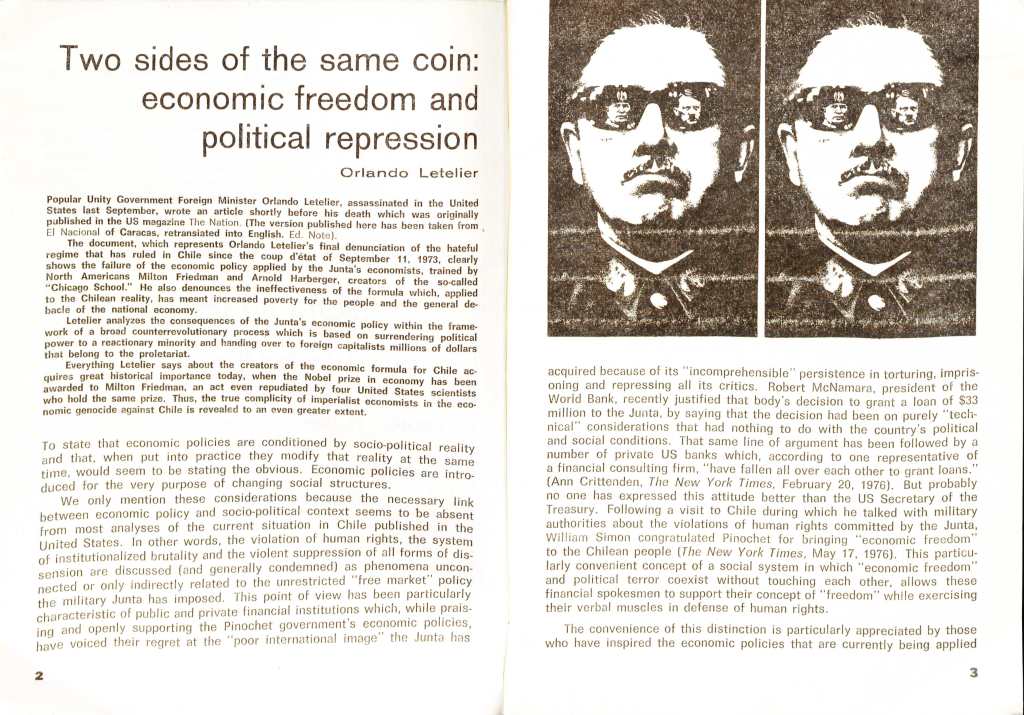
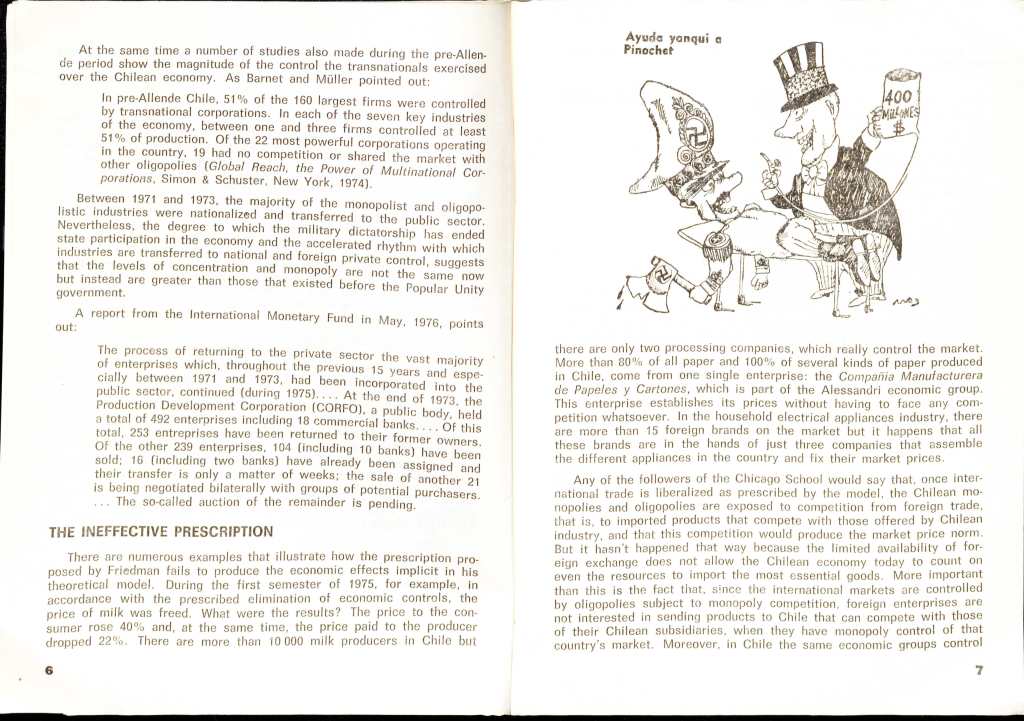
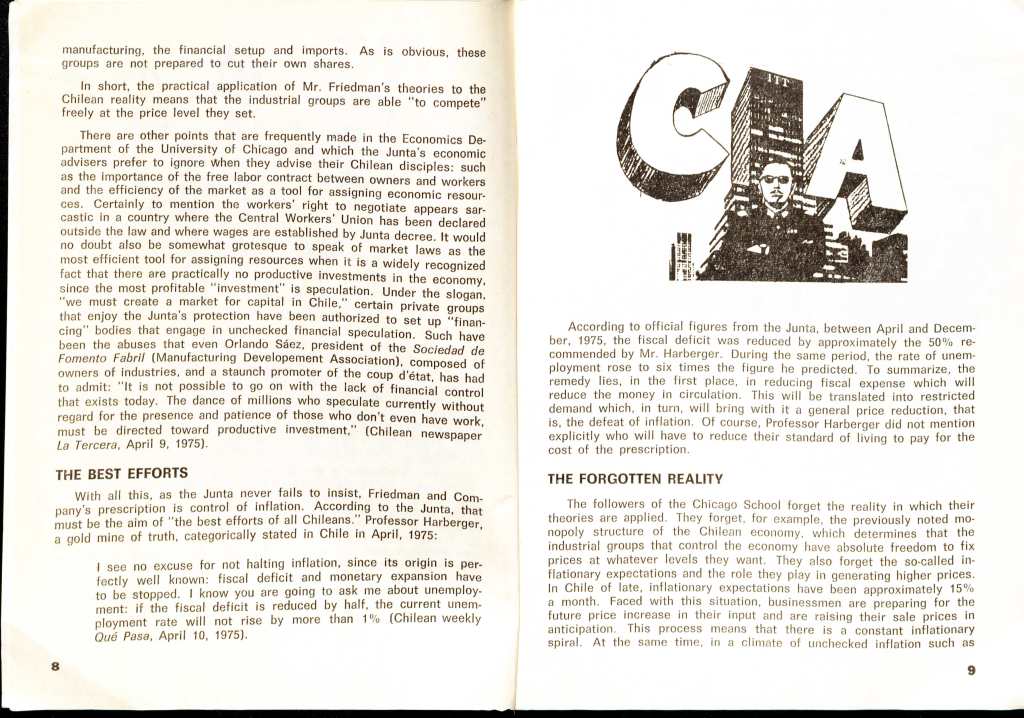
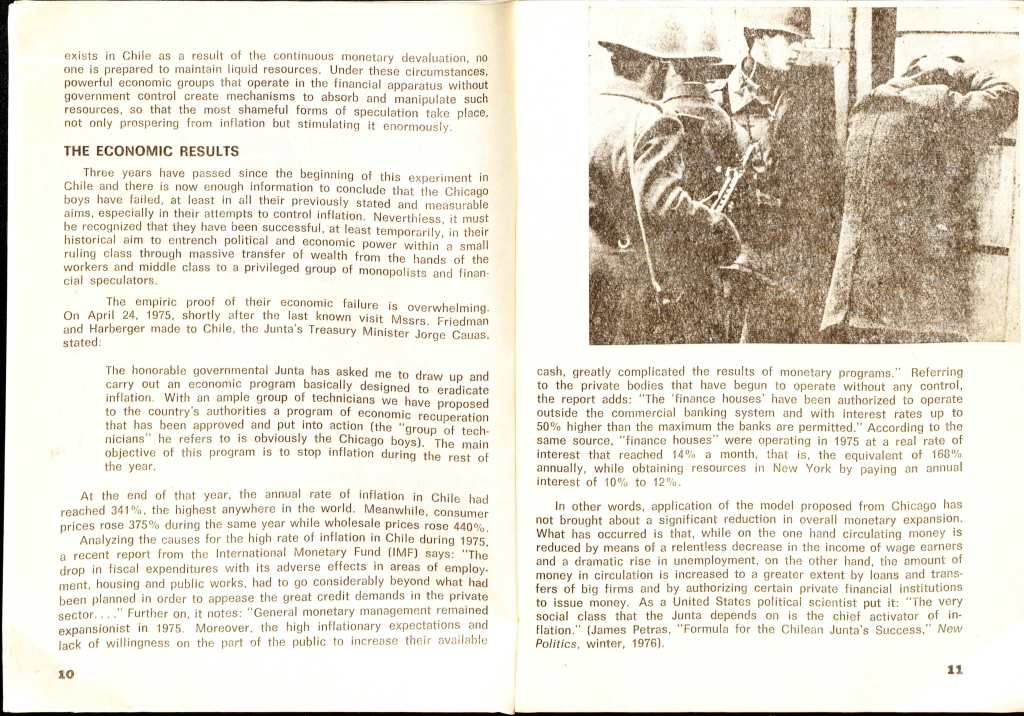
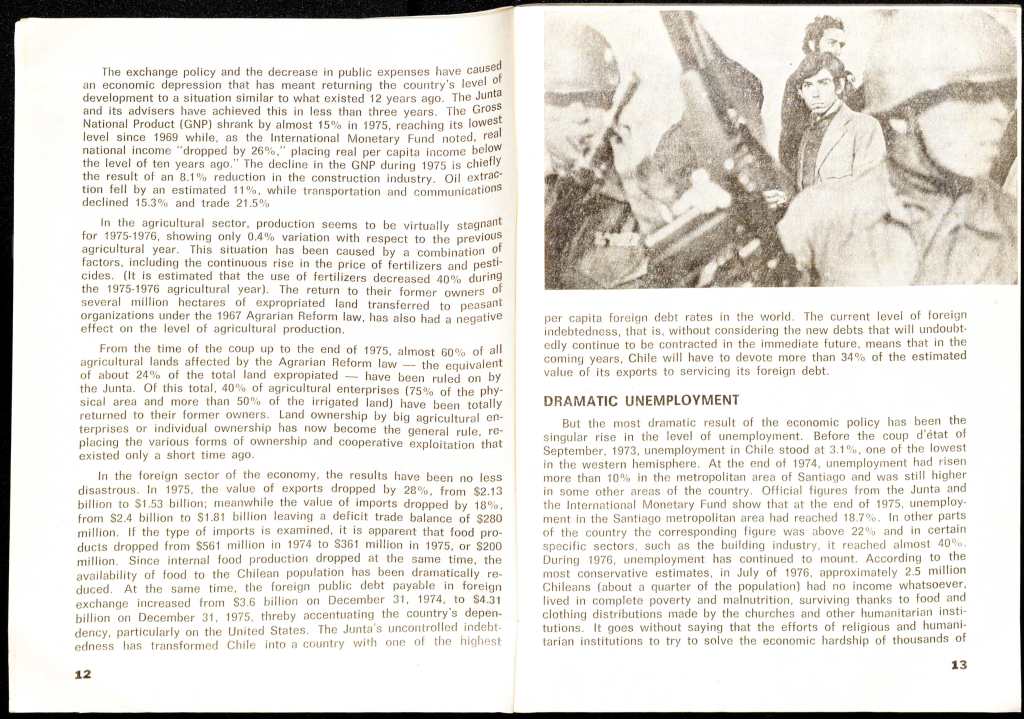
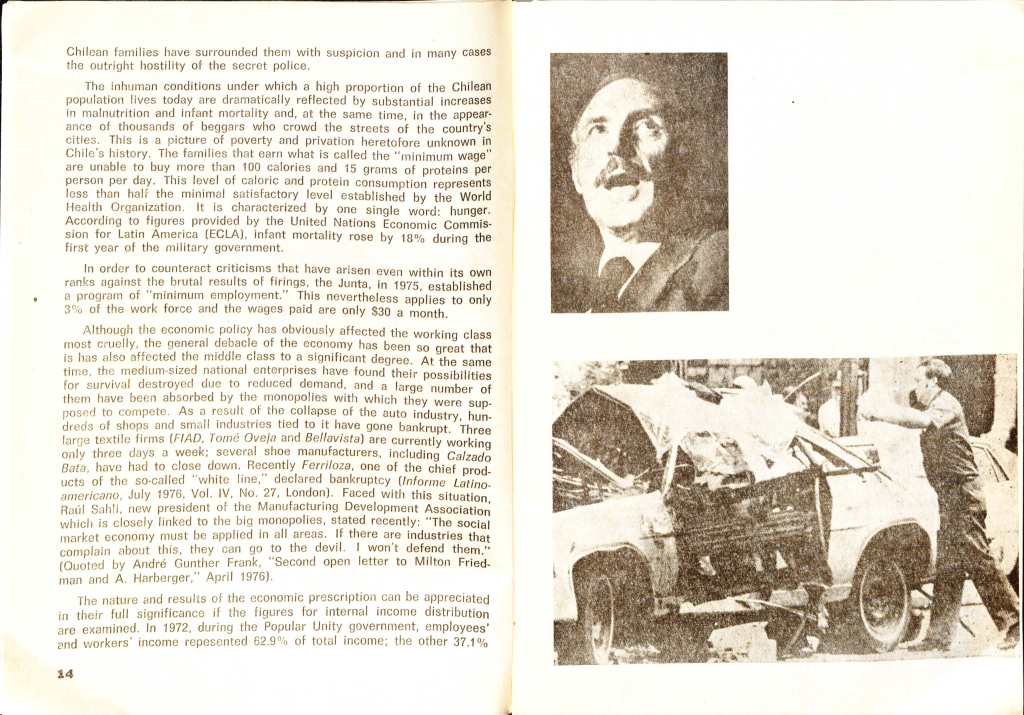
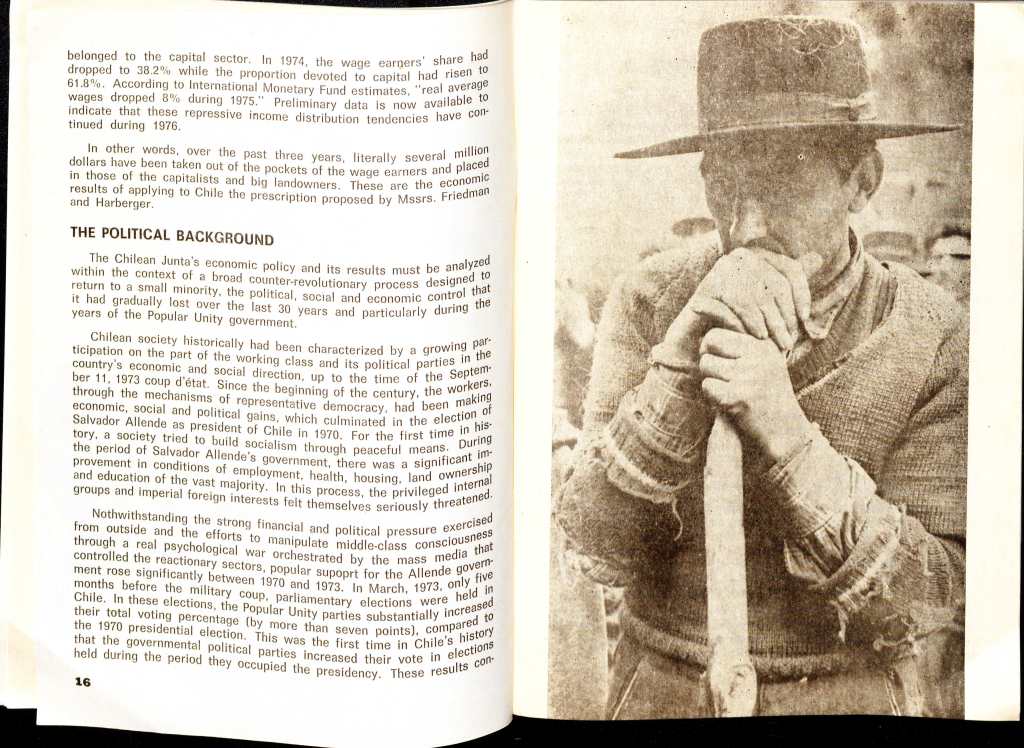
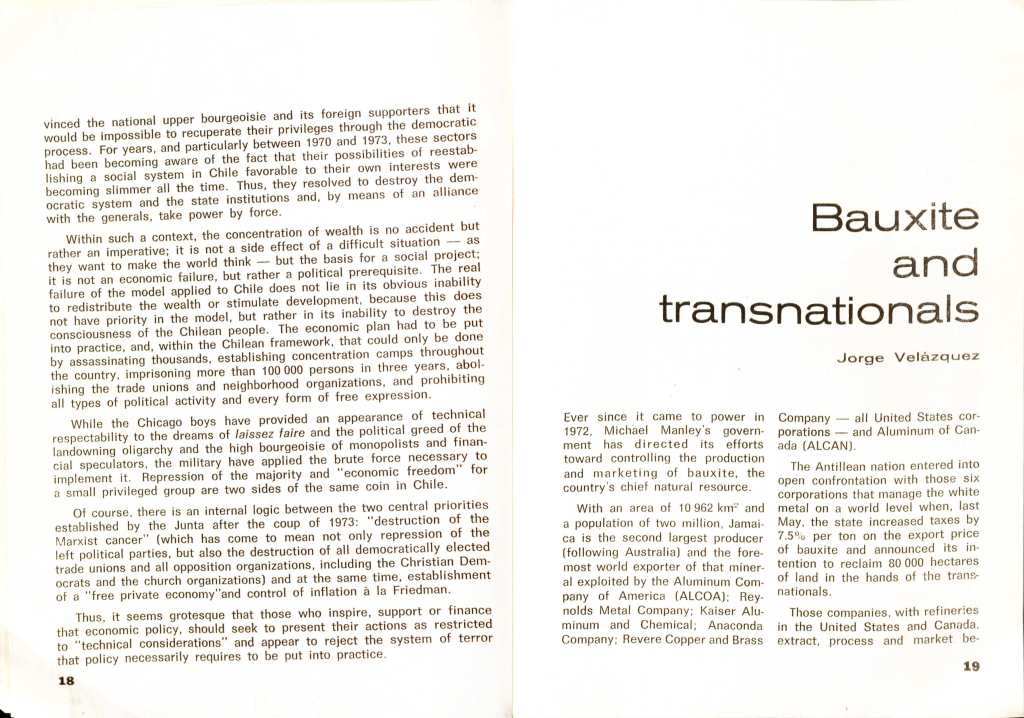
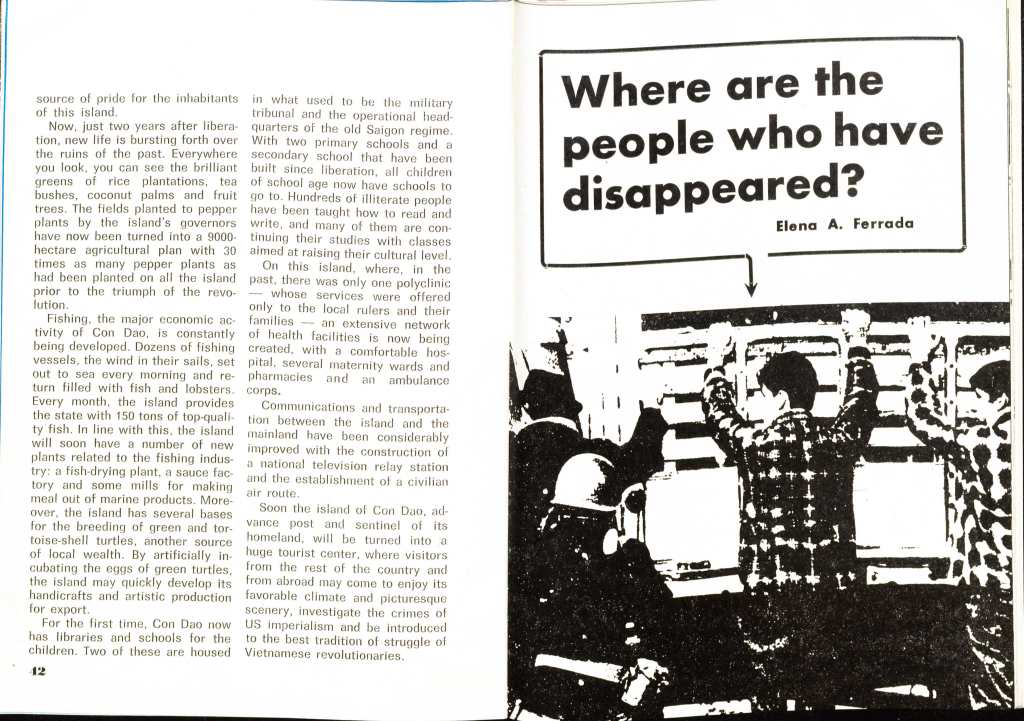
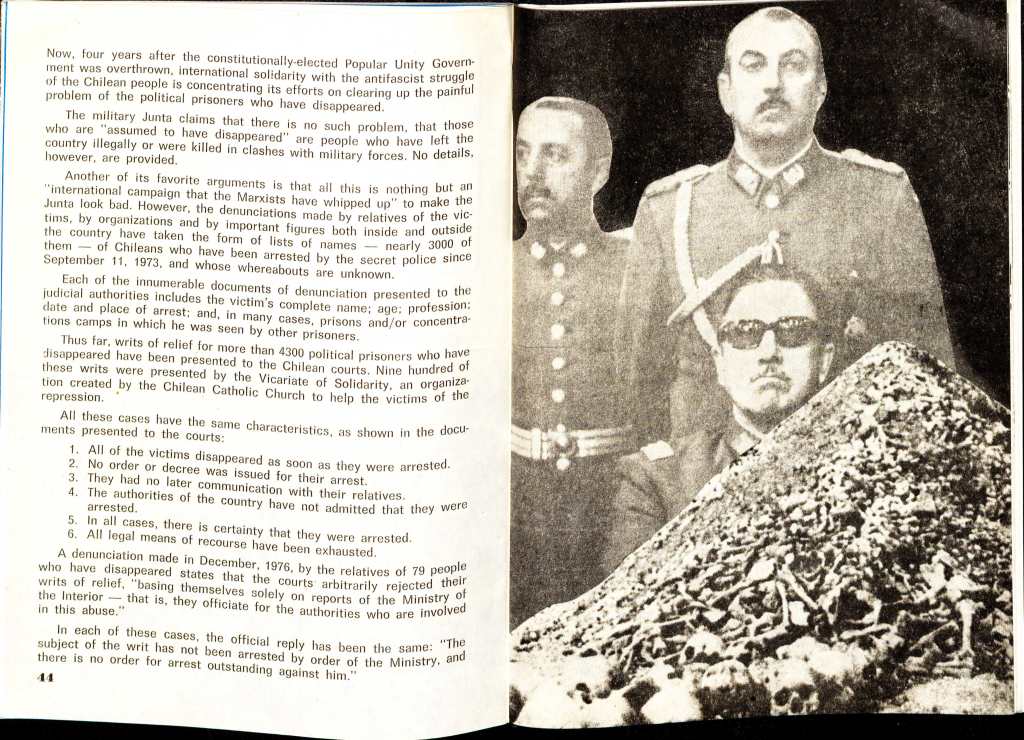
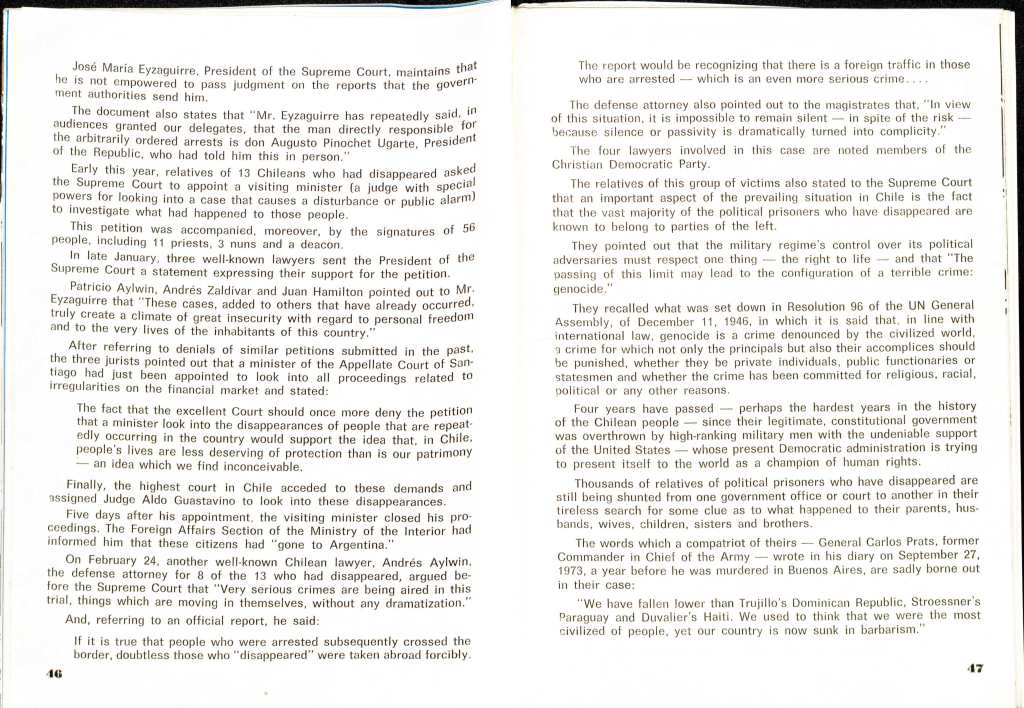
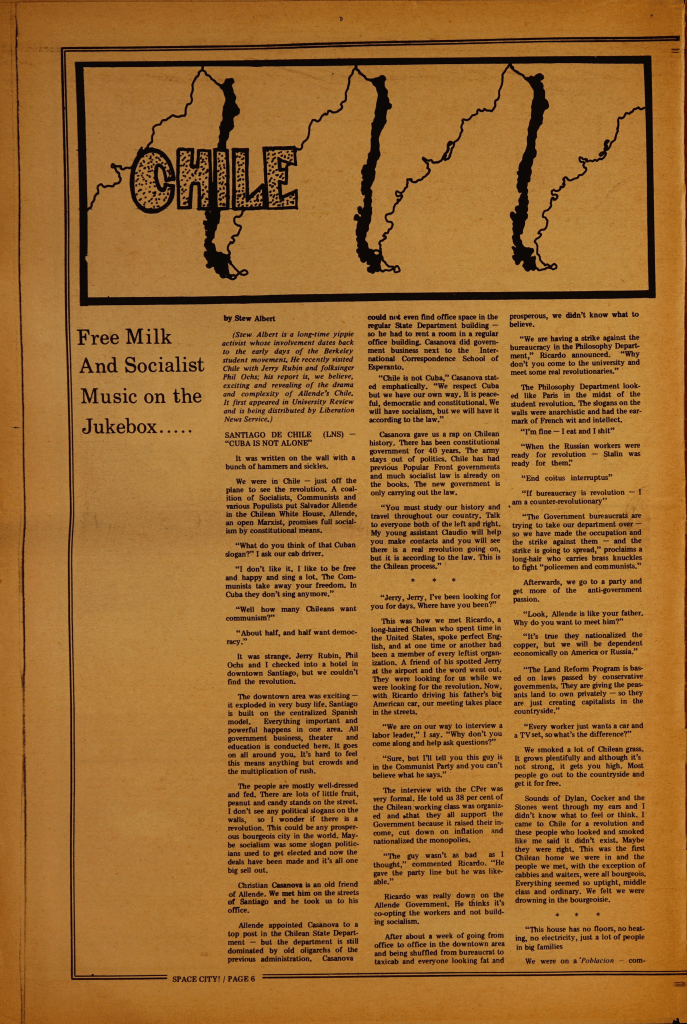
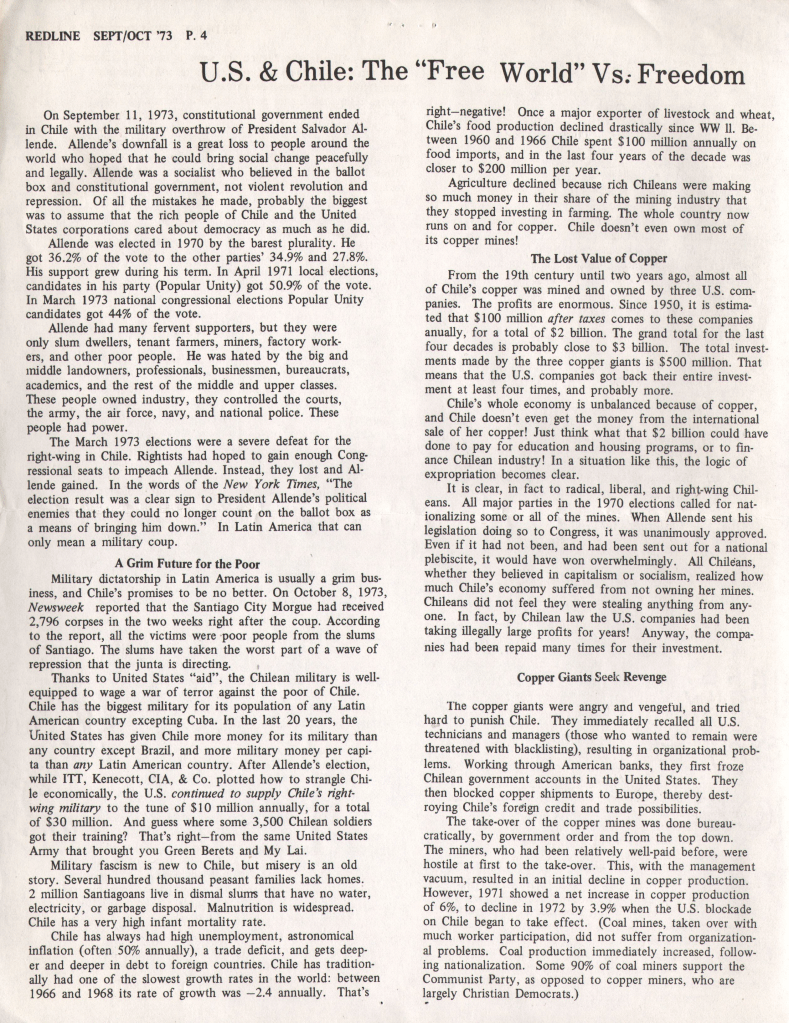

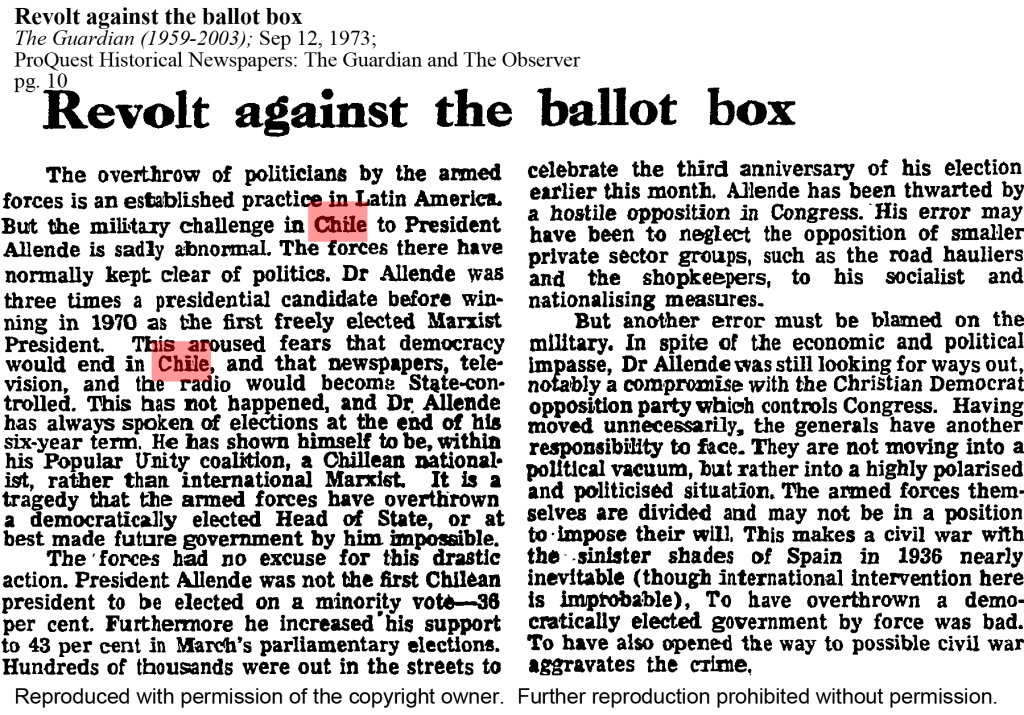
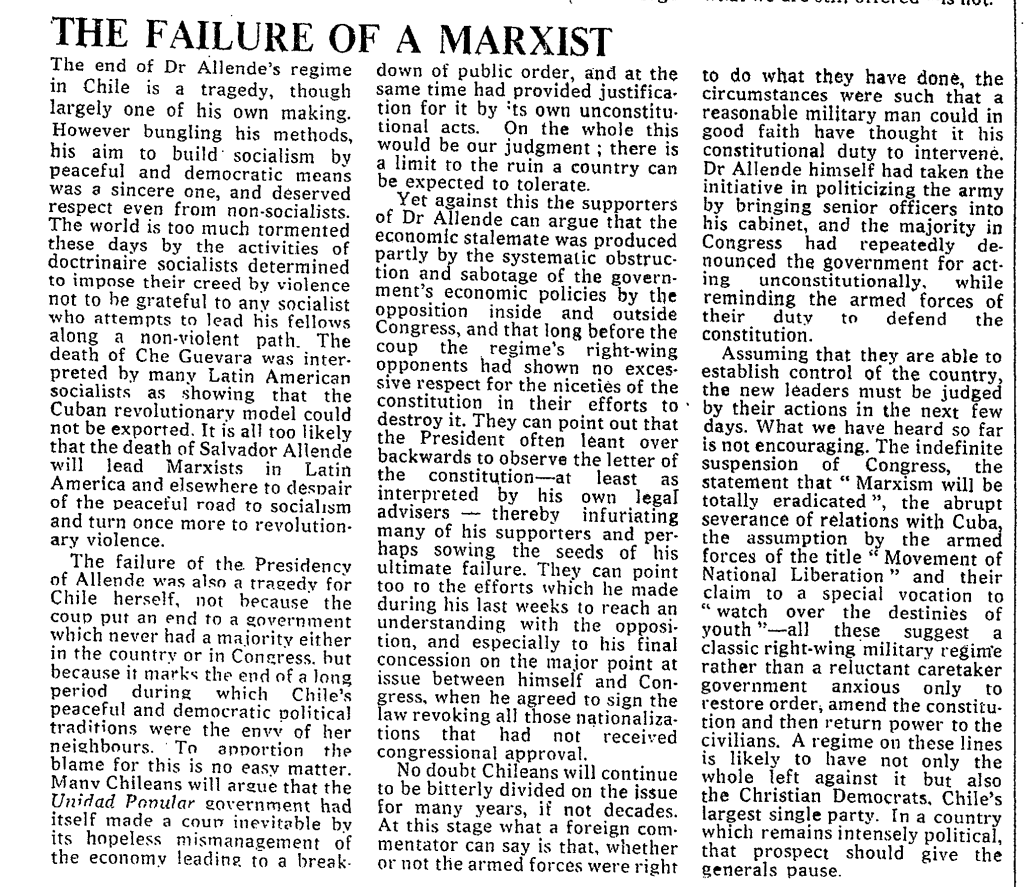
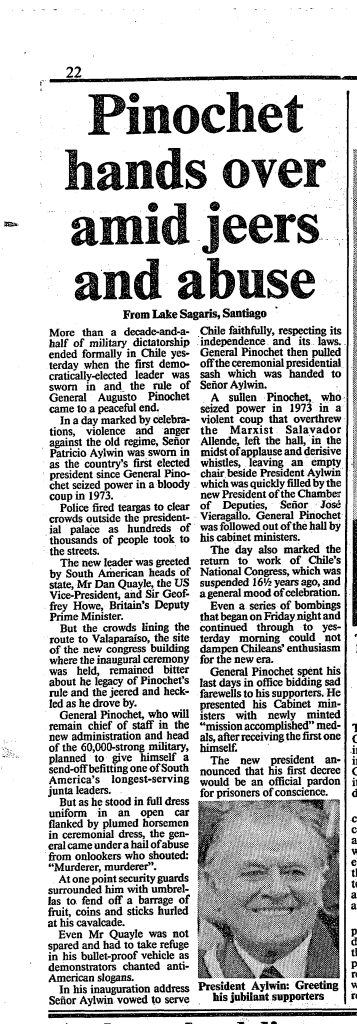
 The British Library for Development Studies Legacy Collection